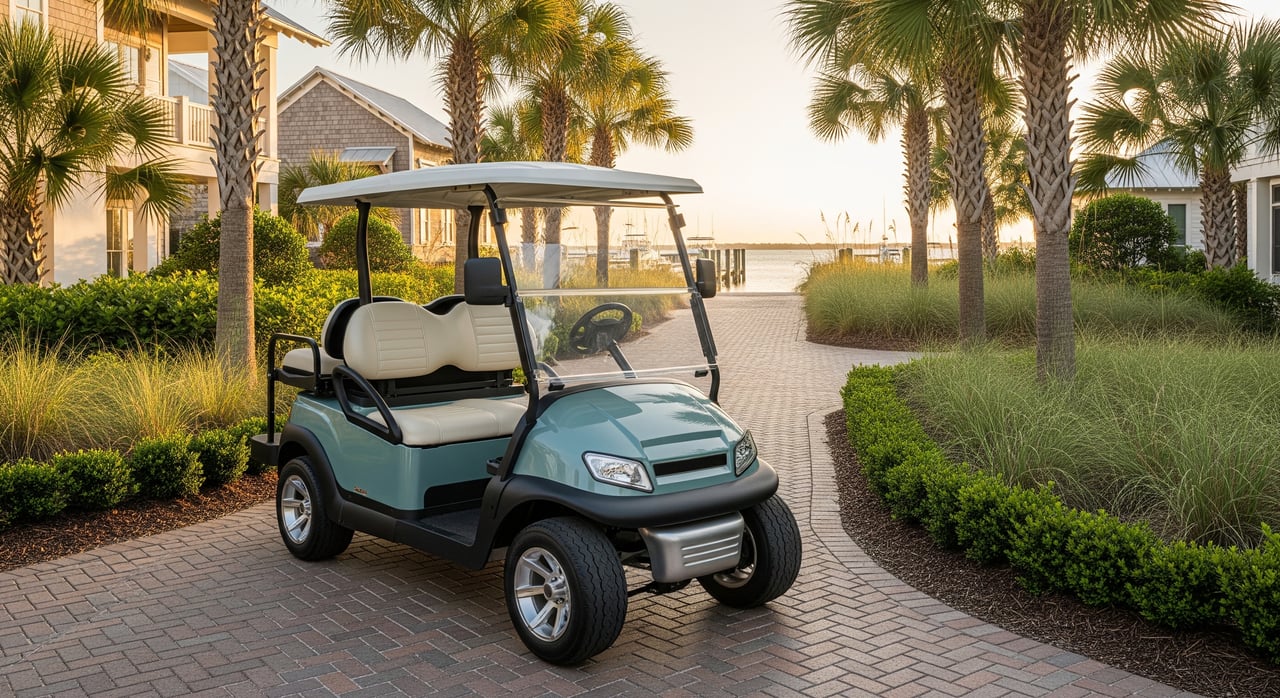
Thinking about zipping around Sandestin by golf cart? It is a big part of the coastal lifestyle, but the rules can surprise new owners. Between Florida’s vehicle definitions, Walton County ordinances, and community policies, you want a clear plan before you buy or bring a cart. In this guide, you’ll learn the difference between golf carts and low-speed vehicles (LSVs), who sets the rules inside Sandestin, what to verify, and a practical checklist to stay compliant and safe. Let’s dive in.
Golf cart vs. LSV in Florida
Not all carts are the same. In Florida, the legal difference between a golf cart and a low-speed vehicle (LSV) affects where you can drive, what equipment you need, and your insurance.
- Golf carts are typically designed for golf-course use. They are not built to federal motor vehicle safety standards and are usually not titled or registered when used on private property.
- LSVs are small street-legal vehicles that meet federal safety standards (often include lights, turn signals, mirrors, seat belts, and a windshield). They generally must be titled, registered, insured, and driven by a licensed driver when operated on public roads.
What this means for you: if you plan to use a vehicle on public roads, you should confirm whether it is an LSV and follow the registration and insurance rules that come with that status. If you plan to stay within private community roads or paths, community rules will guide what is allowed.
Who sets the rules in Sandestin
Sandestin is a privately managed resort community in Walton County. That means two layers of control:
- Inside the resort (private roads and paths), the community’s governing documents and management set day-to-day policies.
- On public roads that run through or border the resort, Walton County ordinances determine whether carts are allowed and under what conditions.
In practice, you should confirm both the community’s current rules and any county restrictions that apply on adjacent or intersecting public roads.
Where you can drive
Your allowed routes depend on ownership of the road and local authorization.
- Private internal streets: Communities often allow carts on internal neighborhood streets and designated paths, subject to community speed limits and safety rules. Expect pedestrian-only zones in busy areas where carts may be restricted.
- Public roads: Counties decide which public roads permit carts and what the limits are (posted speed thresholds, equipment requirements, hours). You should verify whether any public roads in or near Sandestin allow golf carts and the conditions for use. Major roads, bridges, and higher-speed corridors are commonly off-limits.
- Village and retail areas: High-pedestrian plazas (such as village retail districts) may restrict or prohibit carts, especially during peak hours. Check current community guidance before planning routes.
Registration and decals
Many resort communities require carts to be registered with management and display a community decal to operate or park on association property. Expect to:
- Provide ownership information to community management.
- Follow any renewal or inspection requirements.
- Display a permit or decal if the community uses them.
Confirm the exact process with Sandestin management, including any fees and documentation.
Parking and storage
Plan ahead for where your cart will live and park. Common expectations include:
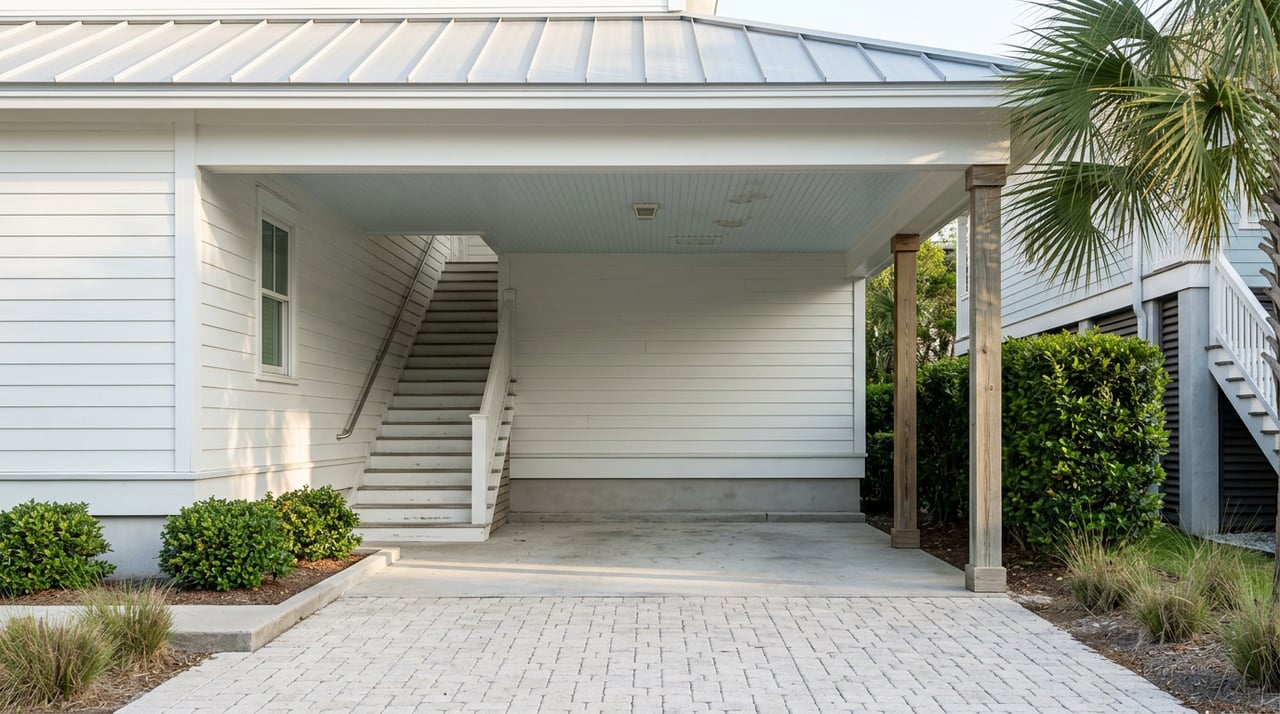
- Park in a garage, driveway, or designated cart space where allowed.
- Avoid parking on sidewalks, landscaped areas, or fire lanes.
- Follow any rules for overnight or street parking.
If you need a covered spot or exterior structure, ask whether architectural approval is required.
Charging and batteries
Electric carts need safe, approved charging.
- Confirm your residence has a suitable outlet or dedicated circuit and whether community approval is needed for installations.
- Ask about any rules for charging in common areas.
- Follow fire-safety guidance for battery storage. Communities may have specific rules for lithium batteries.
Drivers and guests
Driver qualifications depend on the vehicle type and where it is used.
- LSVs: Typically require a valid driver’s license when operated on public roads.
- Golf carts: Driver rules vary by community and local ordinance. Many communities expect licensed drivers and adherence to traffic rules, especially on roads open to public traffic.
Owners are often responsible for guests who drive their carts. Clarify age limits, license requirements, and responsibility for damages.
Insurance basics
Insurance coverage differs by vehicle type and use.
- LSVs: Usually require auto liability insurance, like other motor vehicles.
- Golf carts: When used only on private property, standard auto policies may not apply. You may need a homeowner’s policy endorsement or a dedicated cart policy.
Talk with your insurance agent about how and where you plan to use the cart, and what policy structure best protects you.
If you plan to rent carts
Resort communities often allow cart rentals through approved vendors but set clear limits:
- Vendors may need permits and commercial liability coverage.
- There can be limits on where rental carts may operate.
- Registration and decal requirements may apply to rental carts used by residents or guests.
If rentals are part of your ownership plan, confirm allowed vendors, insurance requirements, and any route restrictions.
Buyer and owner checklist
Use this list to get your facts straight before you buy, bring, or modify a cart in Sandestin.
- Community documents to request:
- Current CC&Rs, rules and regulations, and any vehicle or parking guidelines
- Recent amendments related to carts (including temporary restrictions)
- Registration forms and the process for decals or permits
- Approved vendor list and vendor insurance requirements (if you plan to rent)
- Confirm with Walton County:
- Whether any public roads in or near Sandestin allow golf carts
- Applicable speed-limit thresholds, time-of-day limits, and equipment requirements
- Ask Sandestin management:
- Where carts can and cannot operate (paths, plazas, beaches, bridges)
- Whether LSVs are allowed and any proof-of-insurance or registration steps
- Parking, overnight storage, and guest-parking rules
- Charging options, installation approvals, and battery safety policies
- Typical enforcement procedures and fines
- Insurance and finance:
- Whether your homeowner policy covers a golf cart on private property
- Whether an LSV must be insured like a motor vehicle and the expected premiums
- How lenders classify and finance carts if you plan to finance a purchase
Common mistakes to avoid
- Assuming all internal streets or nearby public roads allow carts
- Parking on sidewalks, landscaped areas, or non-designated spaces
- Installing chargers without approval or adequate electrical capacity
- Allowing unlicensed or underage drivers to operate the cart
- Relying on homeowner insurance without confirming cart coverage
Make your plan
A little homework goes a long way. Confirm the community rules, check Walton County ordinances on any public roads you plan to use, and align your insurance with how you will operate the cart. If you are shopping for a home or condo in Sandestin or Miramar Beach, factor cart storage, charging access, and HOA policies into your decision. Our team can help you evaluate listings with these details in mind and connect you with the right community contacts.
Ready to make cart-friendly living part of your Emerald Coast plan? Connect with the Justin Myers Real Estate Team for local guidance and homes that fit the way you move.
FAQs
Can you drive a golf cart from Sandestin to the beach?
- It depends on community rules and Walton County ordinances for any public roads along the route; confirm which streets are permitted and note that motorized vehicles are typically not allowed on the sand.
Do you need a driver’s license to drive a cart in Sandestin?
- LSVs generally require a valid driver’s license on public roads; golf cart driver requirements vary by local rule, and many communities expect licensed drivers for safety.
Are LSVs street legal in Walton County near Sandestin?
- LSVs can be allowed on certain public roads if they meet equipment, registration, and insurance requirements and if local ordinances permit their use on those roads.
Does homeowner insurance cover a golf cart used in Sandestin?
- Not always; coverage varies by policy and how the cart is used, and you may need a specific endorsement or a separate policy, while LSVs typically require auto insurance.
Can guests or renters use my cart at a Sandestin property?
- Guest use is often allowed but subject to community rules, approved vendors (for rentals), and insurance requirements; owners are commonly responsible for guest conduct and damages.