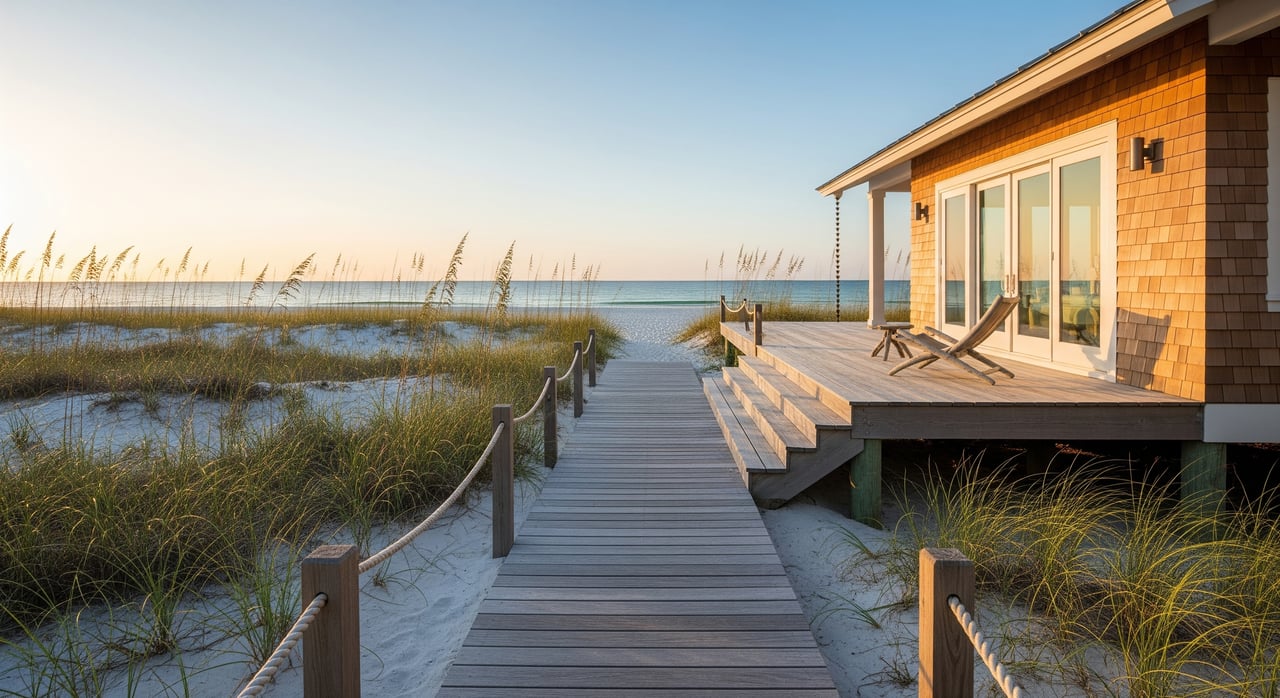
If your perfect day starts with a sunrise walk to sugar-white sand and ends with a bike ride for sunset, Dune Allen might be the coastal fit you’re after. You want easy beach access, relaxed days on 30A, and a home that works for both life and investment. In this guide, you’ll learn how to reach the beach, get around without a car, understand seasonal rhythms, and plan for smart ownership in Walton County. Let’s dive in.
Where Dune Allen fits on 30A
Dune Allen sits on the west end of County Road 30A in South Walton, part of a string of small beach communities along Florida’s Gulf Coast. You are close to quiet residential streets, the Gulf, and nearby lakes and bay access. Daily life here blends local routines with seasonal visitors who come for the water, trails, and laid-back town centers along 30A.
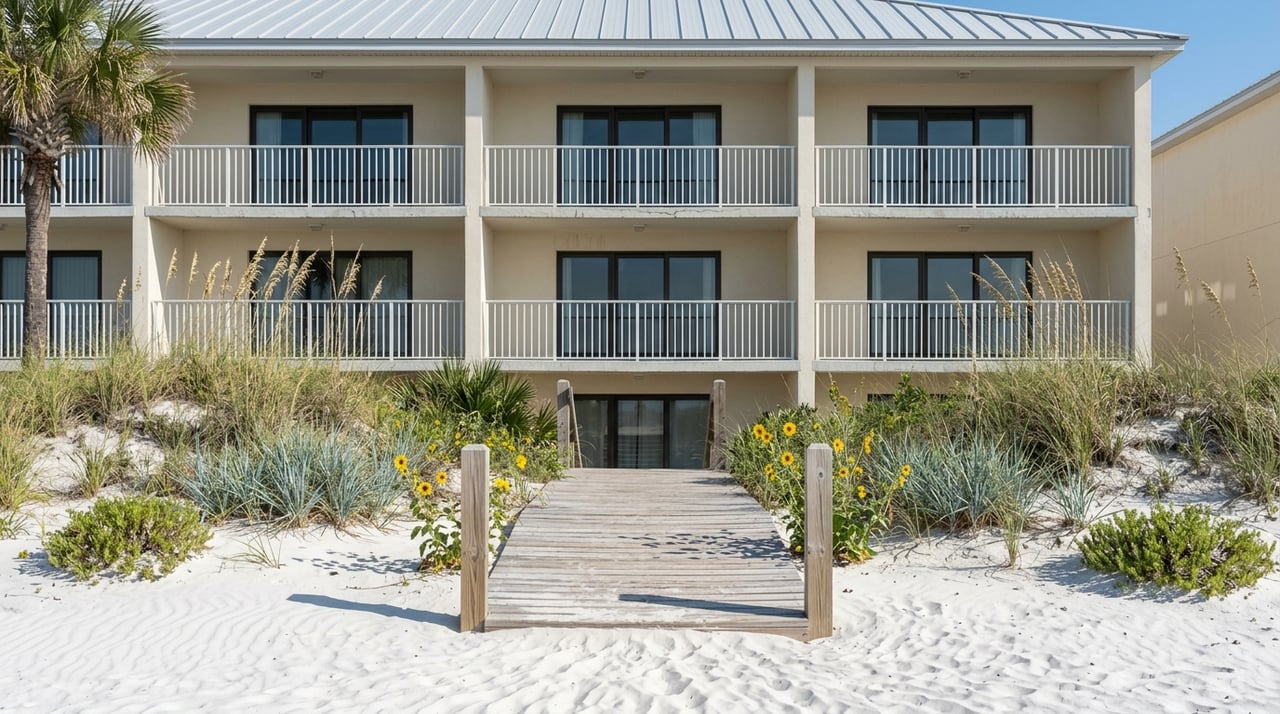
Beach access in Dune Allen: What to expect
Walton County maintains a network of public beach access points with boardwalks, dune crossovers, and, at some locations, parking, restrooms, and showers. Facilities vary by access, so it helps to plan ahead. For current locations, amenities, and parking details across South Walton, check the county’s visitor information through the Visit South Walton beach access listings.
Facilities and crowds
Parking at popular access points fills quickly on spring and summer days. If you plan to drive, go early or aim for shoulder times in the morning and late afternoon. Lifeguard coverage is not present at every access point and is seasonal, so always follow posted flags and safety signs at the beach entrance.
Getting there without a car
The Timpoochee Trail is a paved multi-use path that runs along 30A and connects Dune Allen to neighboring beach communities, shops, and restaurants. Many residents bike or walk to nearby beach entrances, which helps avoid peak-season parking stress. Use lights and follow crossings, especially during busy afternoons when traffic builds.
Parks, bay, and paddle time
You are minutes from two of Florida’s most loved state parks. To the east, explore dunes, coastal lakes, and long stretches of sand at Topsail Hill Preserve State Park. To the east-northeast, Grayton Beach State Park offers hiking, paddling, and quiet shoreline.
Beyond the Gulf, the 30A corridor sits near bay and lagoon systems with public boat ramps and paddle launches. Kayaking, paddleboarding, fishing, and birding are part of the daily rhythm here. Check county and state park resources for the latest on launches, parking, and rental options.
Conservation and safety on the Gulf
Dunes are your first line of protection from storms, and preserving them is a community priority. Stay on boardwalks, respect fencing and vegetation, and look for signs about restoration work. Beach renourishment or dune projects can occur periodically. For project context and property-line considerations near the shore, see the Florida DEP beach management program.
Sea turtle nesting occurs in warmer months, and lighting rules help protect hatchlings. If your home or rental is near the beach, you may need to use turtle-friendly fixtures and window treatments and share guidance with guests. Review the FWC sea turtle lighting guidance for compliant choices and seasonal tips.
Water conditions change daily. Always check the beach flag system and follow lifeguard instructions where present. Swim advisories are posted by public health authorities when needed. For current information about water quality and advisories in Florida, consult the Florida Healthy Beaches program.
Seasons, lifestyle, and daily rhythm
Spring through summer is peak season and brings heavier traffic and fuller beaches. You can expect a livelier vibe in March through August, with more visitors and longer waits at popular restaurants. Late spring and early fall often bring milder weather and fewer crowds. Many owners plan beach time early and late in the day and use bikes for short trips.
Day to day, life here revolves around the outdoors. Mornings on the sand, midday pool or porch time, a bike ride on the Timpoochee, and sunset on the water is a common pattern. You will often head a short distance along 30A to reach a favorite café or market, then return to quieter streets near the beach.
Buying or selling near the beach
Short-term rentals are common along 30A, and many buyers consider income potential. Rules and registration apply, and HOA covenants can set additional standards for parking, exterior changes, and rentals. Start with county and tourism resources, including the Walton County Tourist Development Council, and confirm neighborhood-specific rules before you market a property as a vacation rental.
Flood and wind risk are part of coastal ownership. Lenders typically require flood insurance for homes in Special Flood Hazard Areas. Before you write an offer or list, look up the property’s flood zone and consider elevation certificates. The FEMA Flood Map Service Center provides official maps and flood hazard information.
Salt air and storms can accelerate wear. Plan for more frequent inspections of roofs, decks, railings, and HVAC systems. If you are close to the beach, be mindful of dune protection rules that limit where you can landscape or hardscape. For any work near the shore, permitting may involve county and state review.
A simple due diligence checklist
- Map the closest public beach access points and note which have parking and restrooms.
- Confirm HOA covenants, rental rules, and any neighborhood-specific restrictions.
- Check flood zone, insurance quotes, and mitigation options with local carriers.
- Review recent or planned dune and beach projects that could affect access.
- Understand sea turtle lighting rules if the property is beach-adjacent or visible from the shore.
- Plan for seasonal rhythms, including parking, trash schedules, and peak visitor periods.
Work with a local team that knows 30A
You deserve clear answers and a plan that fits your goals, whether you want a quiet second home near a beach crossover or an income-focused property. Our team pairs neighborhood expertise with finance-first guidance so you can buy or sell with confidence on 30A. If you are ready to explore Dune Allen, reach out to the Justin Myers Real Estate Team for a conversation and a customized plan.
FAQs
How does public beach access work in Dune Allen?
- Walton County maintains designated access points with boardwalks and varying amenities, and you can review locations and facilities through the Visit South Walton beach access listings.
Is the Timpoochee Trail practical for getting to the beach?
- Yes, the multi-use path runs along 30A and connects neighborhoods to beach entrances, shops, and restaurants, which helps you avoid peak-season parking.
What should homeowners know about sea turtle lighting near the beach?
- During nesting season, use turtle-friendly fixtures and coverings and follow local rules; the FWC lighting guidance outlines compliant options.
Do I need flood insurance for a Dune Allen home?
- If your property is in a Special Flood Hazard Area, lenders usually require it; check your flood zone through the FEMA Flood Map Service Center and talk to local agents.
When is Dune Allen busiest and how can I avoid crowds?
- Spring and summer are busiest, especially weekends; go early or late for beach time, bike the Timpoochee Trail, and use access points with facilities when possible.
Can I short-term rent a home in Dune Allen?
- Many properties participate in the vacation rental market, but registration, taxes, and HOA rules apply; consult the Walton County Tourist Development Council and your HOA documents before listing.