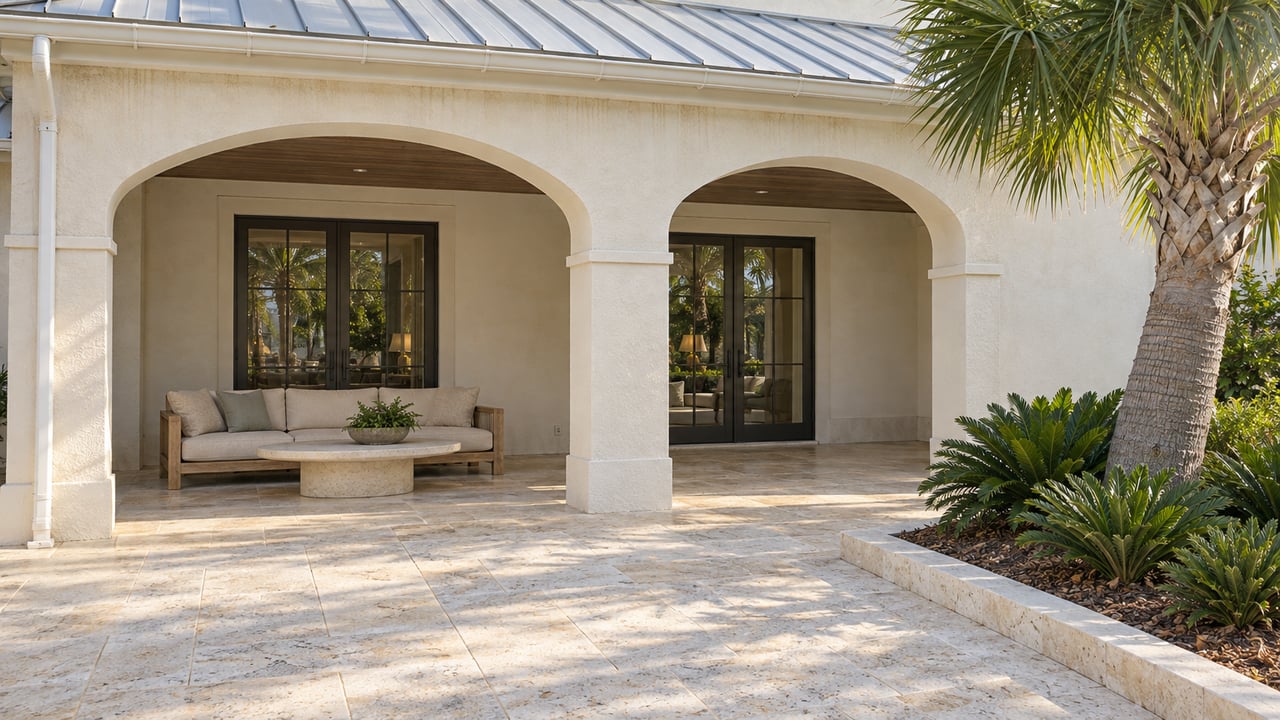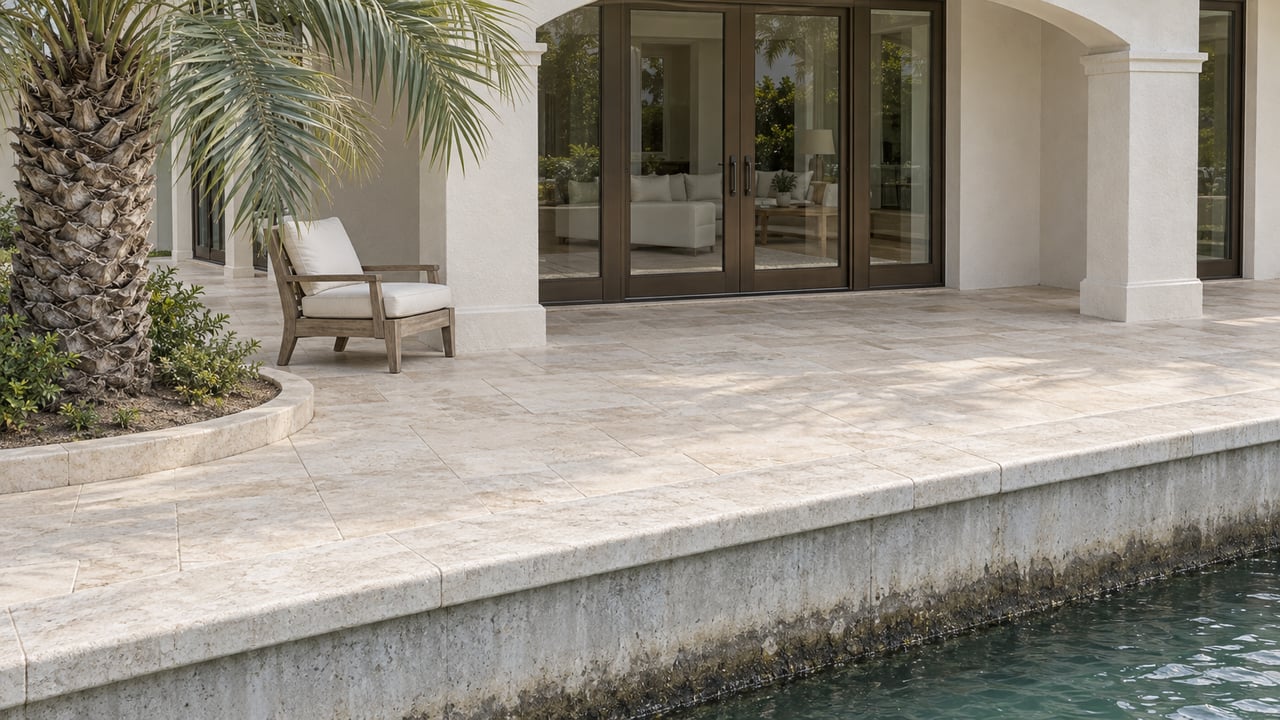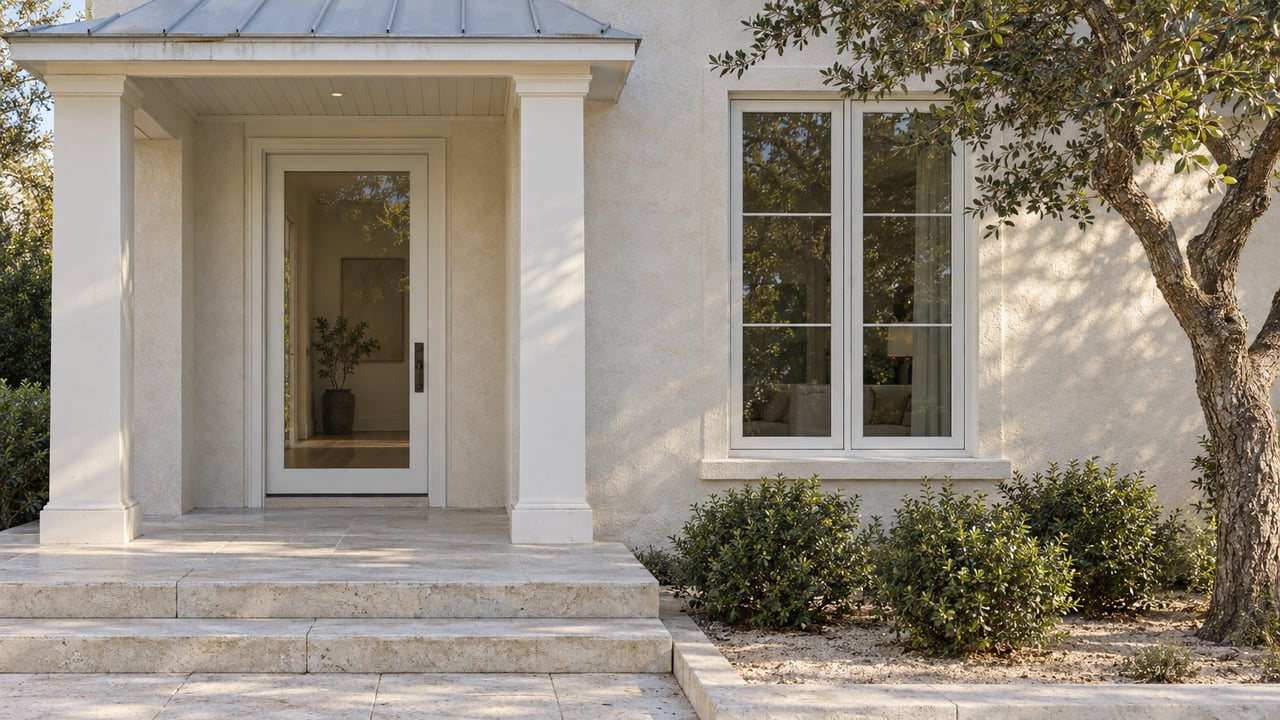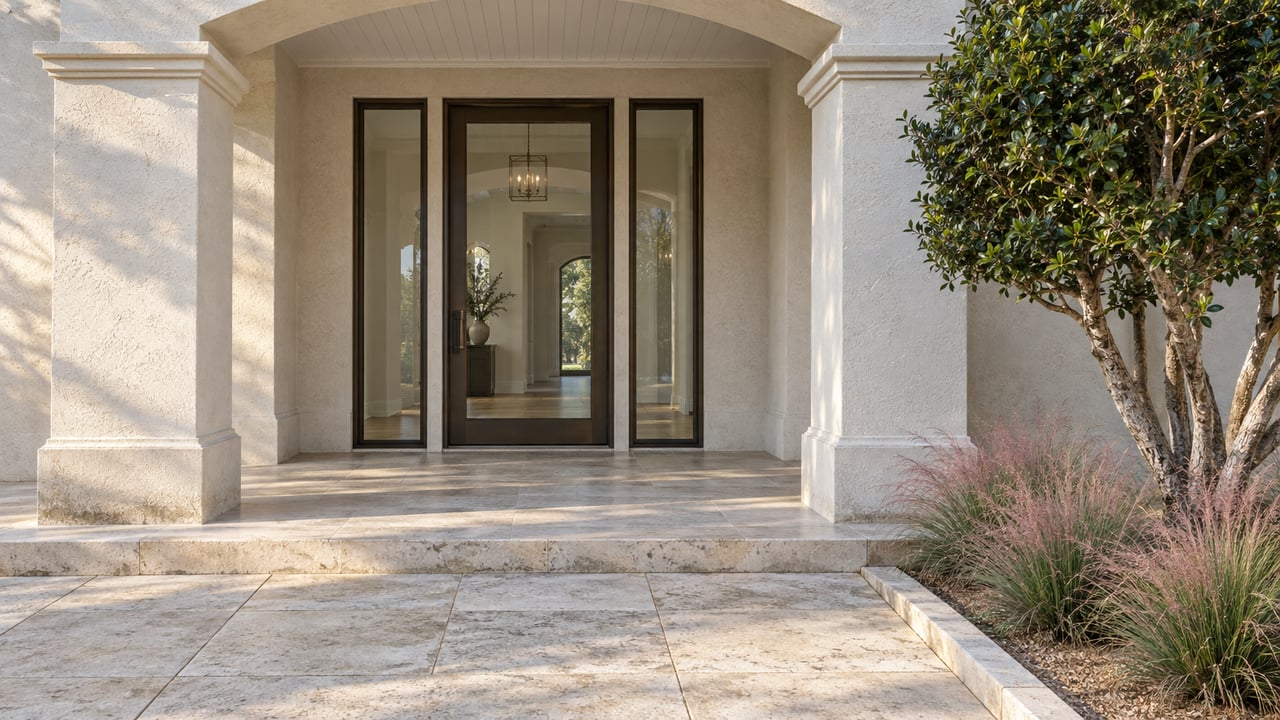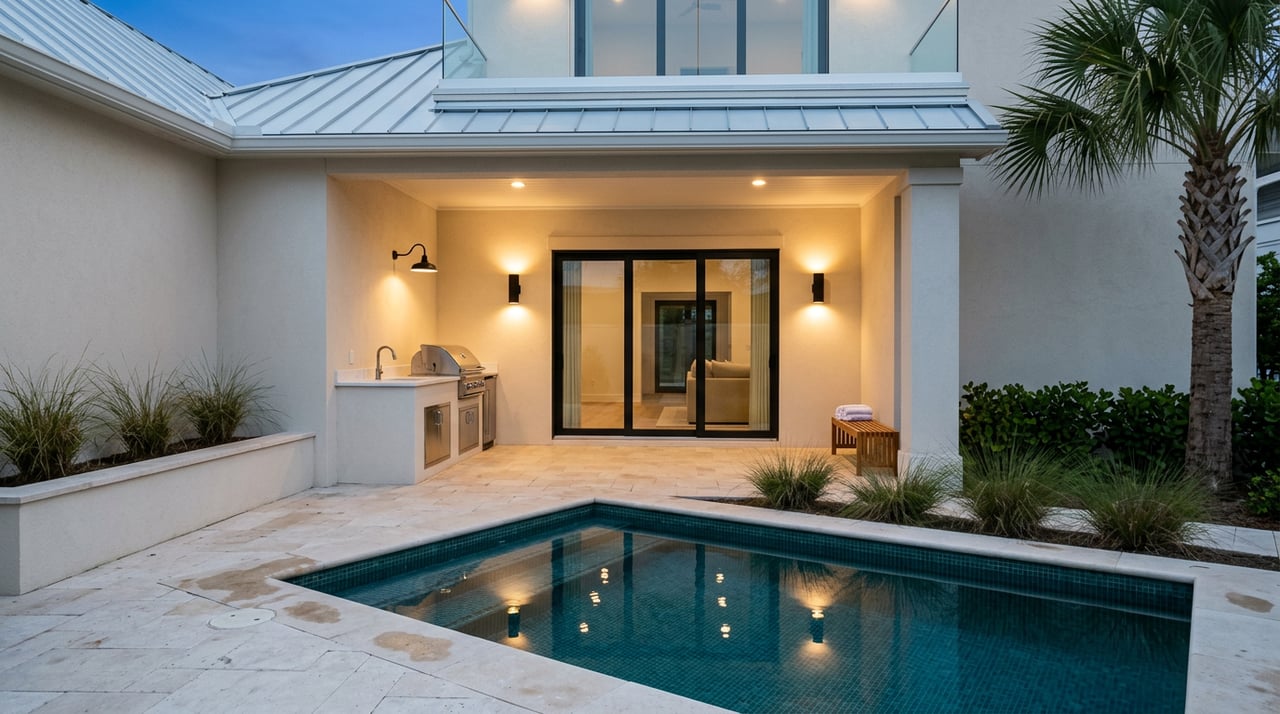
Is a Dune Allen beach home a smart short-term rental? If you love 30A’s west end and want reliable demand with a calm, nature-forward vibe, this pocket of 32459 may be a strong fit. You want clear numbers, simple rules, and a plan for steady bookings without surprises. In this guide, you’ll learn how the Dune Allen market performs, what the county requires, which amenities move the needle, and how to underwrite with confidence. Let’s dive in.
Why Dune Allen attracts guests
Dune Allen sits at the western edge of Scenic Highway 30A, anchored by white-sand beaches and rare coastal dune lakes. The setting draws families and outdoor lovers who value easy beach access, paddling on Allen, Oyster, and Stallworth Lakes, and quick trips into Topsail Hill Preserve. That mix creates consistent demand for relaxed, nature-oriented stays.
As the westernmost beach community on 30A, it offers a calmer pace than busier town centers while staying close to dining, trails, and the Gulf. Learn more about the area’s footprint and feel from this overview of the westernmost community on 30A. (30alocallists.com) Many travelers choose Dune Allen for its quieter, nature-focused vibe compared with some other 30A towns. (near30a.com)
What types perform here
Not every property earns the same. In Dune Allen, the product and location drive outcomes.
- Gulf-front single-family homes: Highest ADRs and peak-season demand, often hosting multi-family groups. Expect higher purchase price, insurance, and maintenance.
- Lakefront homes on the dune lakes: Attractive to families and kayakers with solid shoulder-season demand.
- Walk-to-beach cottages and townhomes (2–4 bedrooms): Strong repeat family business, midrange ADRs, and simpler operations than large homes.
- Smaller condos and villas: Lower entry price and typically lower ADRs and total revenue; can still work if priced and presented well.
Across property types, guest must-haves include easy beach access or Gulf views, outdoor living space, high-speed Wi-Fi, parking, and family-friendly layouts. Pet-friendly policies and pools also help bookings.
Revenue and seasonality benchmarks
Use market benchmarks for a quick frame, then build property-level comps. According to AirDNA’s Santa Rosa Beach market overview, which covers the 30A corridor including 32459: annual revenue averages about $70.4K, occupancy around 54%, ADR about $692.8, and RevPAR around $376.6, with a seasonality score near 71. (AirDNA market overview)
Important note: Averages mask a wide range. Small inland condos will trail these numbers, while Gulf-front 4–6+ bedroom homes can reach six figures. The right way to project is to pull 10–15 close comps that match bedroom count, proximity to beach or lake, layout, and amenity set.
Seasonality is classic 30A: spring break and June–July peak with weekly bookings and premium pricing. Late spring and early fall often deliver strong shoulder demand. Winter softens but can include snowbird and holiday stays. Plan your minimum-stay rules by season to balance occupancy and turnover.
Rules, licenses and taxes to know
Before you advertise, line up county, state, and tax registrations. Walton County requires annual registration through the Vacation Rental Registration Program, with an application, affidavits, fee, and compliance steps. Operating unregistered can trigger daily fines. (Walton County Vacation Rental Registration Program)
Key local rules to budget for and follow:
- Registration and fees: County registration is required each year; the individual property fee is listed at $300 per property. Renewals run on a set annual cycle. Confirm current fees at application. (Walton County VRRP)
- Occupancy and postings: The county certifies maximum occupancy at one person per 150 sq ft of heated/cooled living area or a lower agreed cap. You must post required interior info and an exterior sign with 24/7 local contact and your certificate number. A local responsible party must be able to respond on-site within one hour. (County STR FAQs)
- State licensing: Florida requires a DBPR Vacation Rental Dwelling license. Walton County asks for proof as part of registration. (County STR FAQs)
- Tourist Development Tax (TDT): Dune Allen is in South Walton’s TDT district, where the TDT is 5% on rent plus required nonrefundable fees. The Clerk notes hosts are responsible for remitting; confirm any platform collection policies before relying on them. (Walton County Clerk’s TDT page)
- State sales tax and local surtax: Florida’s base transient rental sales tax is 6%, and counties may add a local surtax. Verify the current combined rate for your exact address with the Florida Department of Revenue or a tax professional. (Florida Department of Revenue guidance)
Compliance checklist:
- Register with DBPR, Florida DOR, and Walton County VRRP before advertising.
- Prepare required postings and exterior sign.
- Set max occupancy per the county formula.
- Set up TDT and sales tax accounts and a monthly filing routine.
Amenities that lift rates in Dune Allen
The right features increase visibility and pricing power. Platforms show that pools and hot tubs, strong Wi‑Fi, free parking, full kitchens, washer/dryer, self check‑in, and pet‑friendly policies are top-searched amenities. (Airbnb amenity insights)
Local add-ons that help in Dune Allen:
- Beach proximity and Gulf views. Consistent value driver in search results.
- Outdoor living. Grills, dining areas, and sun decks keep guests on-site when not at the beach.
- Gear storage and bike parking. Many guests ride the nearby Timpoochee Trail. (Timpoochee Trail overview)
- Family-forward layouts. Bunk rooms and multiple baths help weekly summer bookings.
When modeling upgrades, run a payback analysis. Pools, hot tubs, and pet-friendly policies often lift ADR and occupancy, but they add CapEx, maintenance, and insurance. Aim for a multi-year ROI horizon.
How to underwrite a property
Start conservative, then refine with matched comps.
- Select tight comps
- Pull 10–15 active and historical comps within Dune Allen or adjacent micro-areas. Match bedroom count, guest capacity, walk-to-beach distance or water frontage, and amenities. Use listing calendars and a market tool for ADR and occupancy by month. (AirDNA market overview)
- Build a revenue model
- Core formula: Annual gross revenue = ADR × Occupancy × 365. Start with conservative ADR and occupancy from your comps by month. Expect a 3–6 month ramp in year one and model 75–85% of steady state in that first year. (STR modeling basics)
- Budget full operating costs
- Typical categories: management (often 15–25% for full service), platform fees, cleaning/turnover, utilities, maintenance, insurance (including wind and flood if required), property taxes, HOA, licensing, advertising, and tax filing time. Set a 5–10% CapEx reserve for furniture and larger repairs.
- Produce key outputs
- NOI = Gross revenue minus operating expenses (exclude mortgage). Then test cap rate, cash-on-cash return, and break-even occupancy under conservative, base, and optimistic cases. Layer in downtime for storms and owner stays.
- Pressure-test financing
- If using investor or DSCR financing, get quotes and confirm what income the lender will count. Interest rates and reserves can shift your break-even.
Risks to plan for
Coastal investing comes with unique exposures. Be proactive.
- Regulatory and HOA rules: Walton County enforces its STR program. Some HOAs restrict or ban short stays. Review covenants and plan compliance. (County STR FAQs)
- Flood and wind exposure: Verify the FEMA flood zone for the exact parcel and get early quotes for wind and flood coverage. Coastal insurance can materially affect your NOI. (FEMA Flood Map Service Center)
- Storm season volatility: Summer and fall can bring weather-related disruptions. Carry reserves and align cancellation terms and messaging.
- Neighbor complaints: Follow occupancy limits, parking plans, and quiet hours. A responsive local contact reduces issues and fines. (Walton County VRRP)
- Revenue seasonality: Do not depend on peak months alone for debt service. Structure your minimum stays and rates to balance occupancy and ADR throughout the year.
Your next steps
If Dune Allen fits your lifestyle and investment goals, move from curiosity to clarity with a tight, finance-first plan:
- Narrow to your ideal product type and budget range.
- Pull 10–15 matched comps and build a month-by-month revenue profile.
- Get written management proposals for services and fees.
- Confirm licensing, taxes, and HOA rules before you offer.
- Quote insurance, including wind and flood, before you close.
When you are ready to see properties or want a custom underwriting worksheet tailored to 32459, reach out to the Justin Myers Real Estate Team. We blend boots-on-the-ground local insight with a finance-forward approach, so you can buy a Dune Allen home you love and a rental you can count on.
FAQs
What makes Dune Allen different from other 30A towns for STRs?
- It offers a quieter, nature-focused setting with dune lakes and easy beach access, attracting families and outdoor enthusiasts seeking a relaxed stay. (near30a.com)
What are the required STR registrations and taxes in Dune Allen (32459)?
- You need a Walton County vacation rental registration, a Florida DBPR license, state sales tax registration, and to collect/remit the 5% Walton County TDT. (Walton County VRRP; Clerk’s TDT page)
How should I estimate revenue for a specific Dune Allen property?
- Use 10–15 closely matched comps to set ADR and occupancy by month, then apply a conservative year-one ramp factor before finalizing your model. (AirDNA overview)
Which amenities most increase bookings and ADR in Dune Allen?
- Pools or hot tubs, high-speed Wi‑Fi, parking, full kitchens, self check‑in, pet-friendly policies, and outdoor living spaces are top drivers; bike storage helps for the Timpoochee Trail. (Airbnb amenity insights)
What occupancy limit does Walton County use for vacation rentals?
- The county certifies maximum occupancy at one person per 150 sq ft of heated/cooled living area or a lower agreed cap, and requires interior postings and an exterior sign. (County STR FAQs)