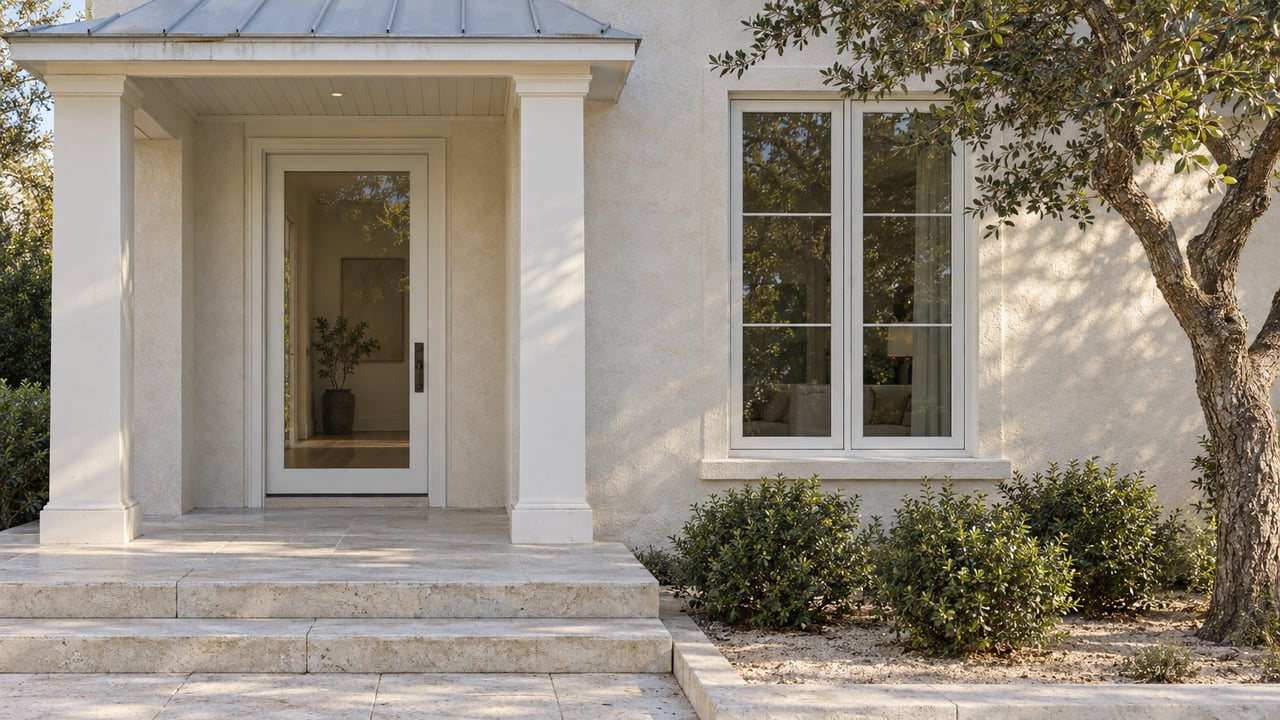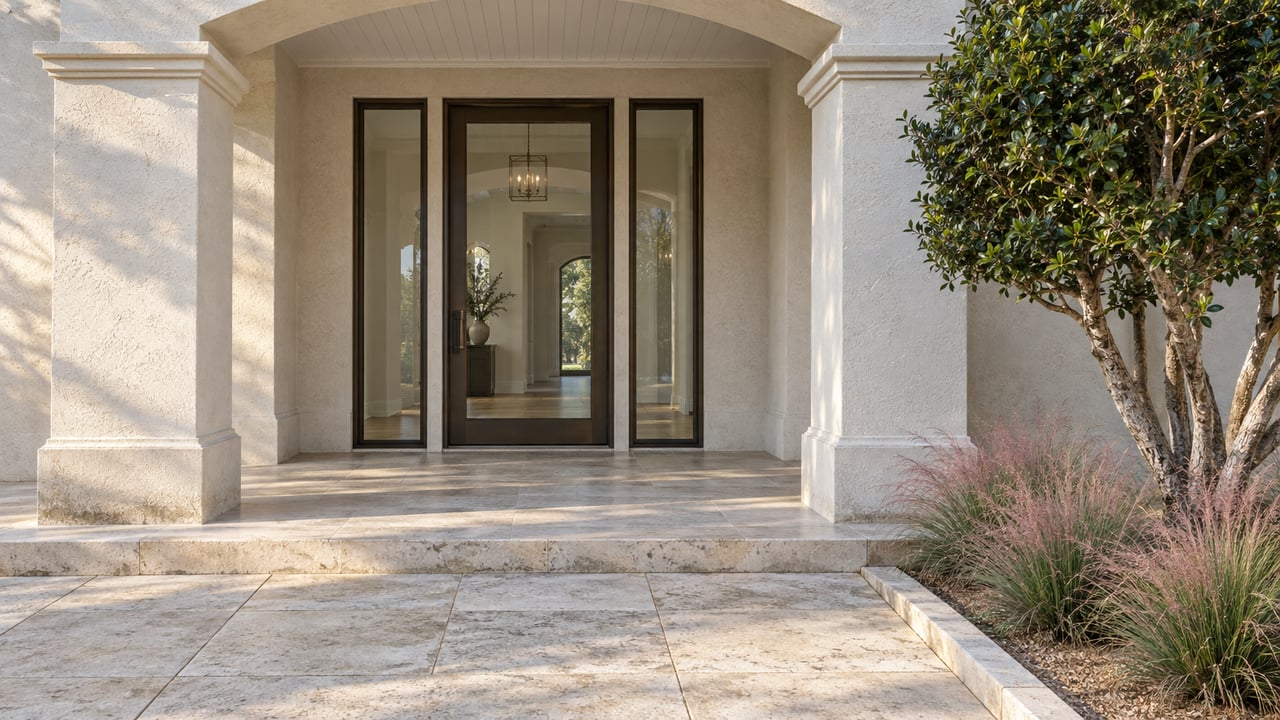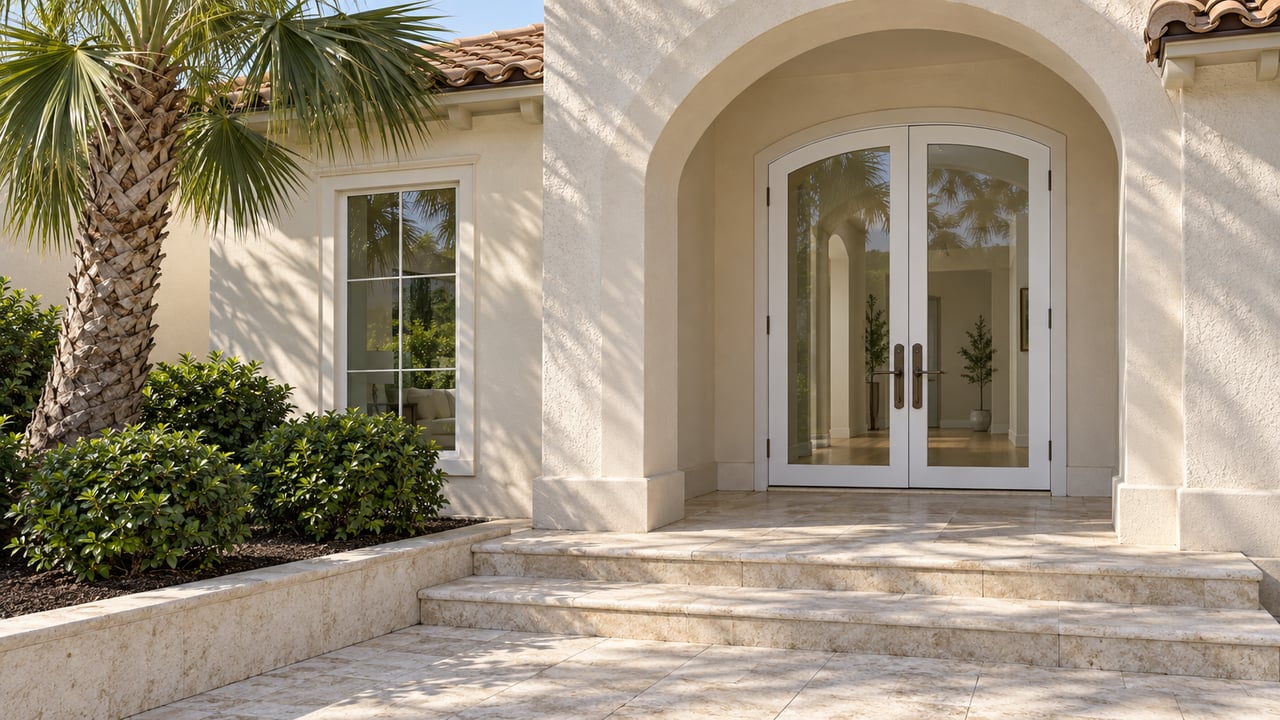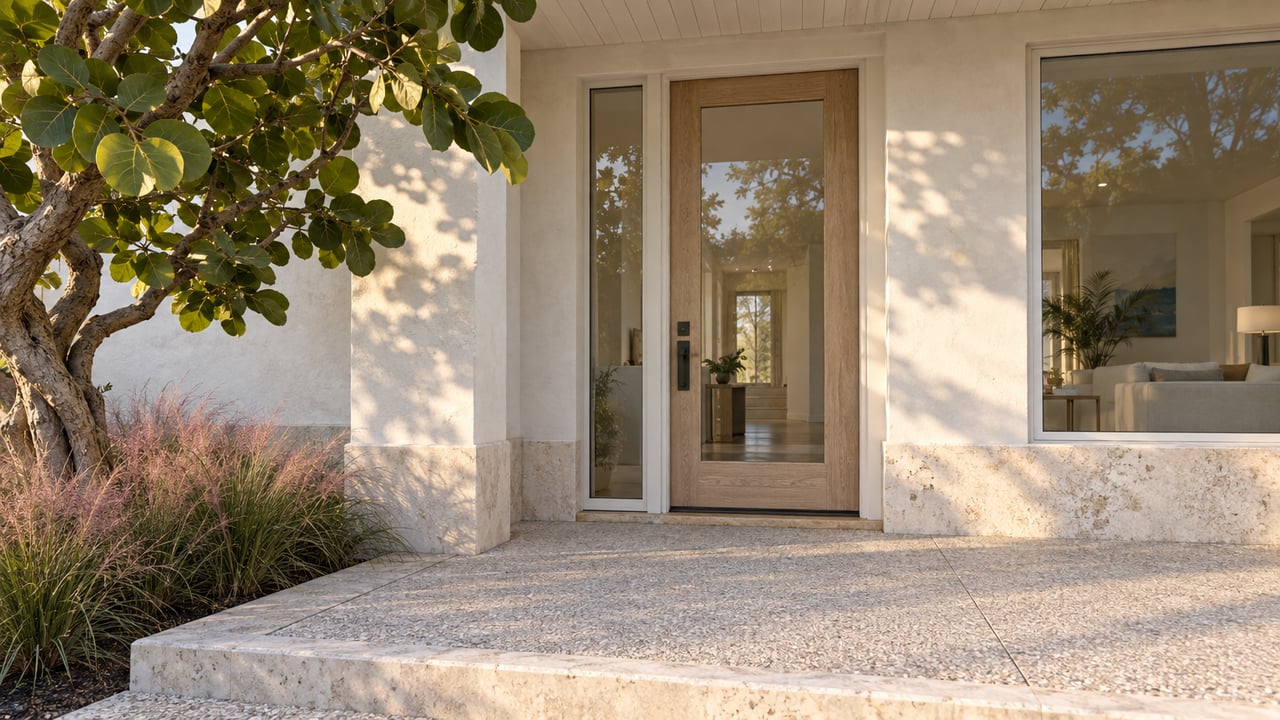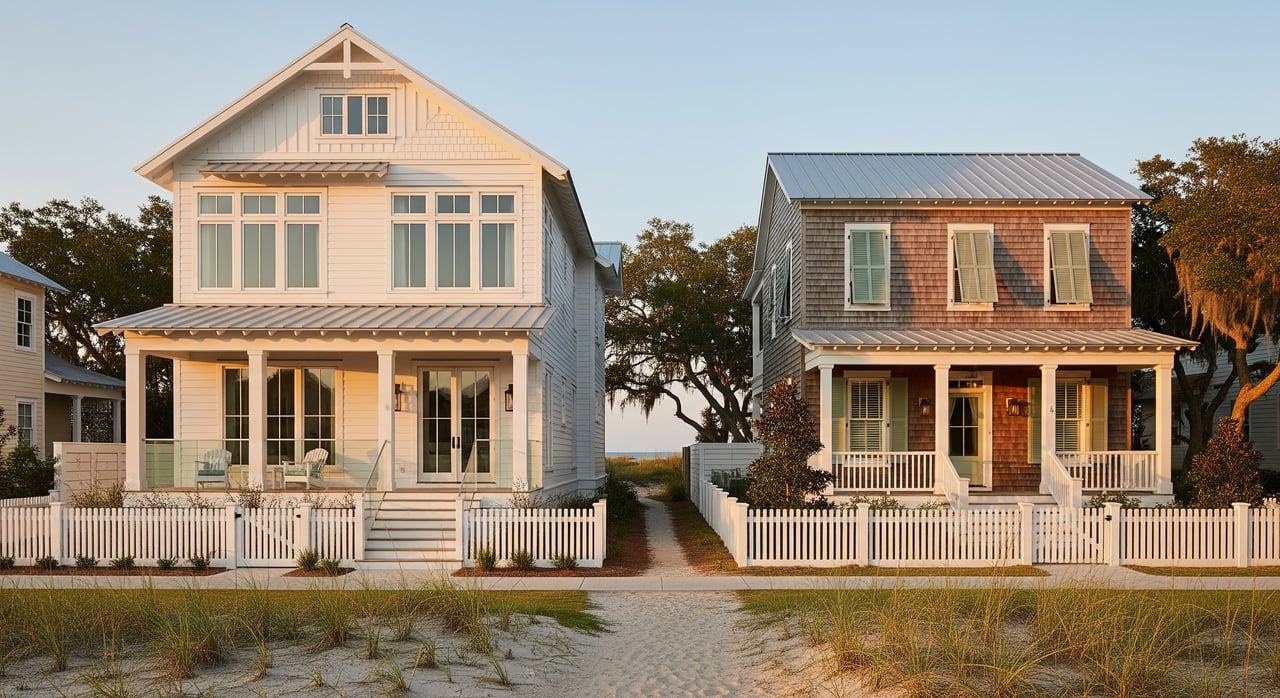
Thinking about whether to build new or buy a resale in Seaside on 30A? You are not alone. With limited inventory and high demand in this iconic beach town, the right path depends on your timeline, budget, and vision for the property. In this guide, you will learn how costs, timelines, approvals, insurance, and financing differ between new construction and resales in Seaside, so you can choose with confidence. Let’s dive in.
Seaside market snapshot
Seaside sits in a high-demand, limited-supply stretch of 30A. The lifestyle and planning design make properties here stand out, and that often means a premium over much of Walton County. New builds typically cost more per square foot than similar resales because of current code requirements, builder margins, and lot premiums.
Resale turnover in core Seaside can be low. Many new-build opportunities depend on infill lots or tear-downs. If you are weighing value, factor in both the price of the land and what it takes to build to current standards.
New construction on 30A: What to expect
Building in Seaside gives you a modern home tailored to your style and today’s coastal codes. It also comes with more steps, longer timelines, and higher upfront costs.
Design review and permitting
Seaside has a formal architectural/design review process. Exterior plans, materials, and details typically require approval before you can build or significantly renovate. You will also work with Walton County for building, electrical, plumbing, and mechanical permits under the Florida Building Code and local rules. Timelines vary by project scope and the completeness of your plans.
Coastal site and flood factors
Much of Seaside lies within FEMA flood zones such as AE or VE. This can drive elevation requirements, engineered foundations like piles, and additional anchoring methods. You will likely need surveys and an Elevation Certificate to document finished-floor heights and inform flood insurance. Coastal parcels near dunes or the Gulf can trigger setback and environmental protections, and some sites have specific rules related to dune preservation. Also confirm whether your lot is on central sewer or will require a septic solution, as utility availability affects design and cost.
Build timeline and process
- Confirm lot entitlement, design constraints, and flood elevation requirements before you go under contract.
- Secure financing for a construction loan and decide on one-close or two-close options with a lender familiar with 30A.
- Order surveys, geotechnical work, and any required elevation documents early.
- Submit plans to Seaside’s design review and Walton County permitting. Expect several weeks to months depending on complexity.
- Plan for an 8 to 18 month build for a typical coastal single-family home, influenced by foundation type, customization, subcontractor availability, and material lead times.
- Complete required inspections and obtain a certificate of occupancy, then work through a punch-list and builder warranty items.
Buying a resale in Seaside: What to know
Resales offer speed and clarity. You can evaluate the home, its condition, and how it might perform as a primary home or a rental if that is part of your plan.
Speed and certainty
Most financed resales close in about 30 to 60 days, depending on the lender and title. You avoid the long build timeline and can enjoy the property or list it for rent sooner, subject to community rules.
Coastal due diligence
Order a thorough home inspection and specialized evaluations for roof, HVAC, plumbing, and termites. Review the flood zone, request an Elevation Certificate if available, and assess the age and condition of key systems. Verify CCRs, HOA rules, and any short-term rental requirements before you close. Confirm survey details, setbacks, and any easements that could affect future improvements.
Renovation and code gaps
Older homes may not match today’s energy efficiency or coastal code standards. Budget for updates and possible mitigation work if you plan to improve wind or flood resilience. The upside is moving in sooner while you update over time.
Cost, insurance, and financing differences
Understanding the money side helps you avoid surprises and choose the best route for your goals.
Upfront and total cost
New construction includes the land, site preparation, foundation systems that often involve piles, utility connections, and builder profit. Material and labor can be higher on the coast, and you may have dune or erosion-related considerations. Resales may cost less upfront, but you could face renovation projects to bring the home up to your standards.
Insurance realities on the coast
Coastal properties often require windstorm and flood insurance, especially if a lender is involved. Properties in high-velocity coastal zones generally see higher flood premiums and stricter engineering needs. Expect hurricane deductibles or separate wind policies. Elevation, construction methods, and roof systems can influence premiums for both new and resale.
Loans and appraisals
- Resale: Traditional mortgages such as conventional, VA, or FHA are commonly used.
- New construction: Most buyers use a construction loan with interest-only payments during the build. Some lenders offer construction-to-permanent options that convert to a long-term mortgage at completion.
- Appraisals: In a unique, low-turnover market like Seaside, appraisals for custom or spec homes can be challenging due to limited comparable sales. If you plan to factor rental income into your qualification, be ready to document rental history or projections according to lender guidelines.
Short-term rentals and community rules
Short-term rental permissions vary by community and can change. In Seaside and along 30A, always confirm CCRs, HOA policies, and Walton County requirements for registration, parking, occupancy, and any caps. Do not assume that a past listing allowed rentals; verify current rules in writing before you buy.
Pros and cons at a glance
New construction
- Pros: Customization, modern systems, energy efficiency, builder warranties, and compliance with current coastal codes.
- Cons: Higher per-square-foot costs, longer timelines, design review and permitting hurdles, construction risk, and potentially higher coastal insurance and foundation costs.
Resale
- Pros: Faster occupancy, established streetscape and landscaping, potential to review rental history, and often a lower initial cost than building new.
- Cons: Possible deferred maintenance, older systems, lower energy efficiency, and potential need for mitigation to align with modern standards.
Which path fits your goals?
If you want a home tailored to your vision and you can wait through design and construction, new build can be worth the premium. If you prefer to enjoy Seaside sooner or want the clarity of a known property and potential rental track record, a resale can be the smarter move. Sellers deciding between a tear-down and listing as-is should weigh replacement cost, approvals, holding time, and market timing.
Buyer checklist before you commit
- Preapproval for a construction loan or mortgage with a lender experienced in 30A.
- Current survey, flood zone review, and, if available, an Elevation Certificate.
- CCRs and HOA rules, with written confirmation of STR permissions if relevant.
- Utility verification, including sewer connection versus septic.
- Geotechnical report and soil conditions if building new.
- Builder references, license status, and warranty details.
- Preliminary insurance quotes for wind and flood.
Seller checklist for two paths
- Pre-list inspection to identify deferred maintenance.
- Itemized estimate for demolition and new build, including permits and design review.
- Feasibility check for design approvals and timeline.
- Holding cost budget for taxes, insurance, interest, and utilities during a build.
- Understanding of property tax reassessment after improvements.
- Staging and marketing plan if listing as-is, plus any rental history documentation.
Local timelines to plan for
Expect permitting to take several weeks to months depending on the scope and the completeness of your submittals. Typical coastal single-family builds run about 8 to 18 months. Most financed resales close in roughly 30 to 60 days. Always add a buffer for supply chain or crew availability.
The bottom line for Seaside buyers and sellers
Seaside’s design controls, coastal engineering, and strong demand create a market where new construction delivers modern design and durability, while resales provide speed and clarity. The best choice depends on your budget, risk tolerance, and timeline. If you are weighing both paths, a finance-first plan and early due diligence will help you move forward with confidence.
Ready to compare specific homes, off-market options, and buildable lots with clear financing next steps? Connect with the Justin Myers Real Estate Team to map your strategy on 30A.
FAQs
Is it more expensive to build new in Seaside than buy resale?
- Often yes on a per-square-foot basis due to lot premiums, coastal foundation and elevation requirements, design review compliance, and builder margins, though you gain customization and current-code systems.
How long does new construction in Seaside usually take?
- Plan for multiple months to over a year, with many builds ranging from 8 to 18 months depending on permitting, foundation needs, customization, and contractor availability.
Are short-term rentals allowed in Seaside on 30A?
- It depends on your property’s CCRs and HOA policies plus Walton County requirements; always confirm current rules and any registration steps before you buy.
Will I need flood insurance for a Seaside home?
- Likely, if the property sits in a FEMA flood zone or if your lender requires it; owners typically use NFIP or private flood policies, with costs influenced by elevation and construction.
What financing should I expect for a new build versus a resale on 30A?
- Resales commonly use traditional mortgages, while new builds often require construction loans that may convert to permanent financing; local lenders familiar with vacation markets can offer more flexible options.
As a seller, should I rebuild before selling in Seaside?
- Building then selling can target a higher finished-home price, but it adds construction risk, financing and carrying costs, and market timing risk; many owners choose to sell as-is and let the buyer rebuild.