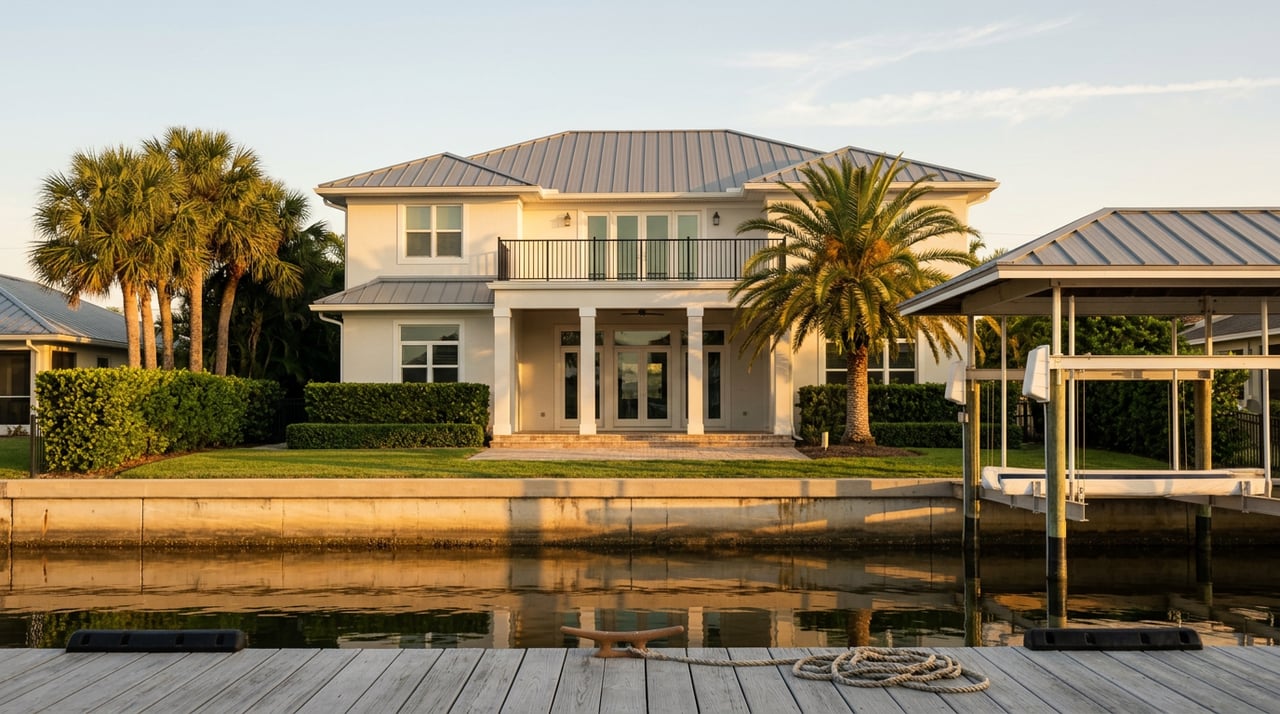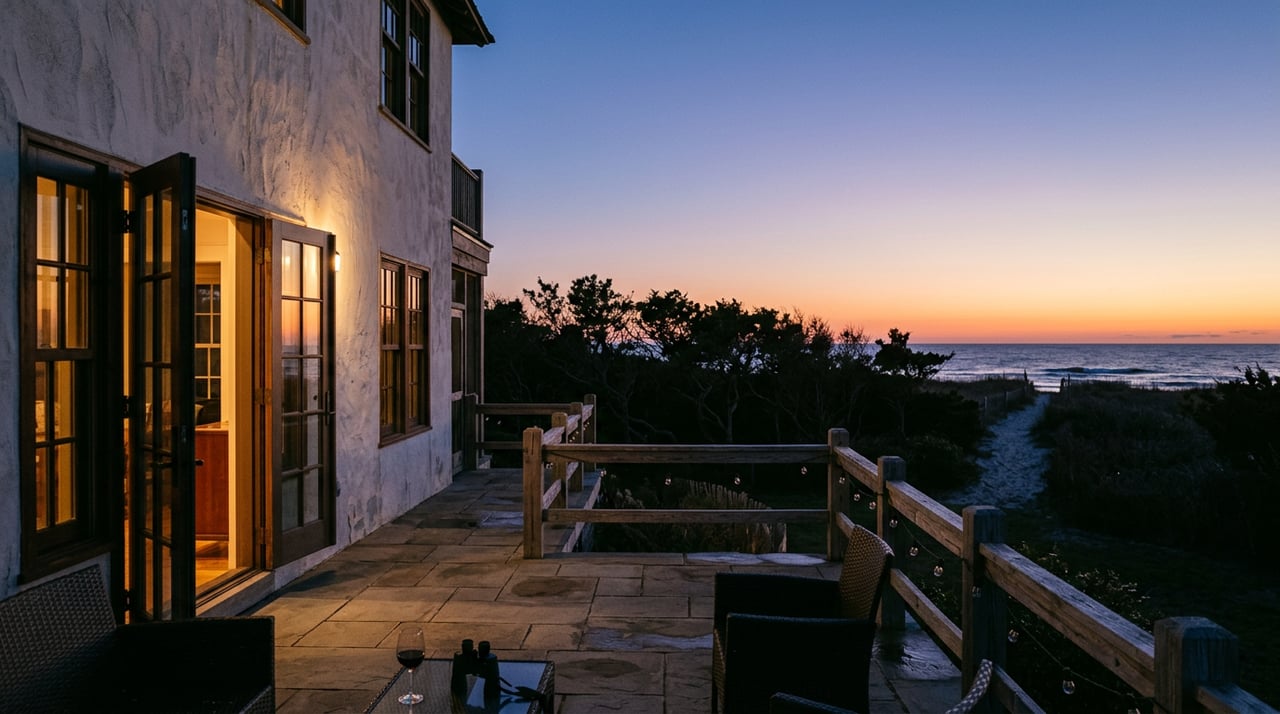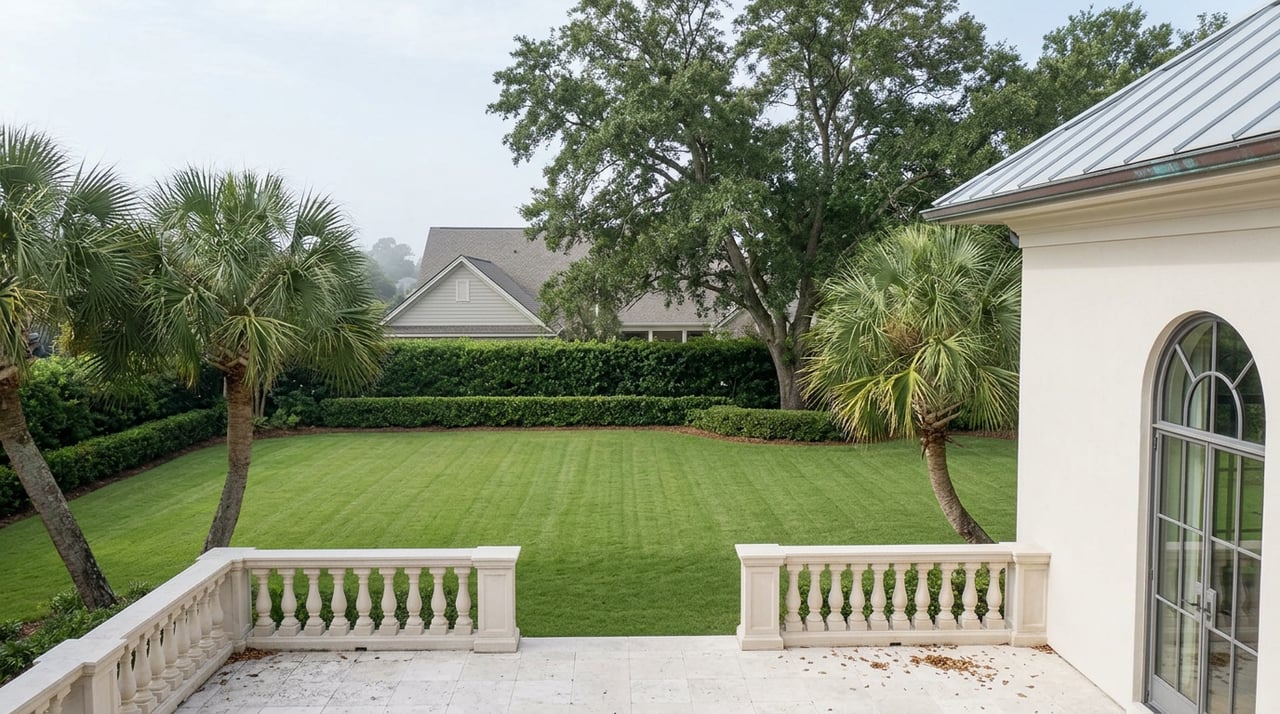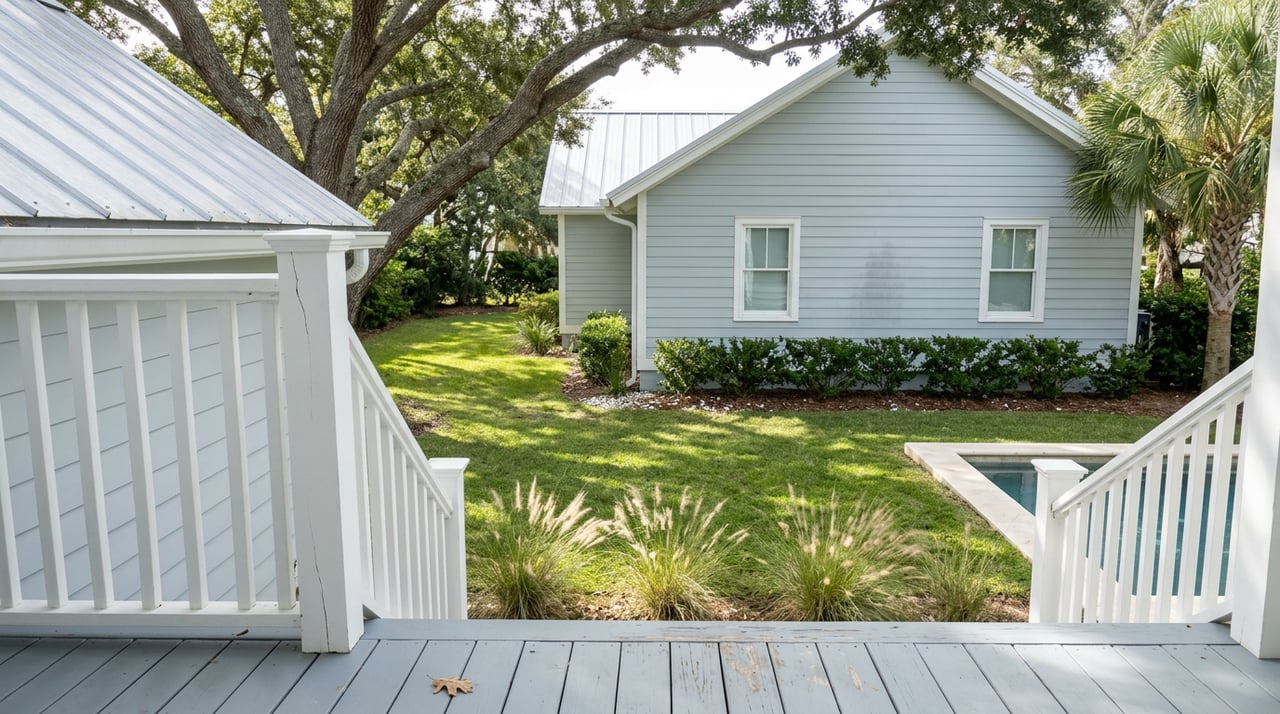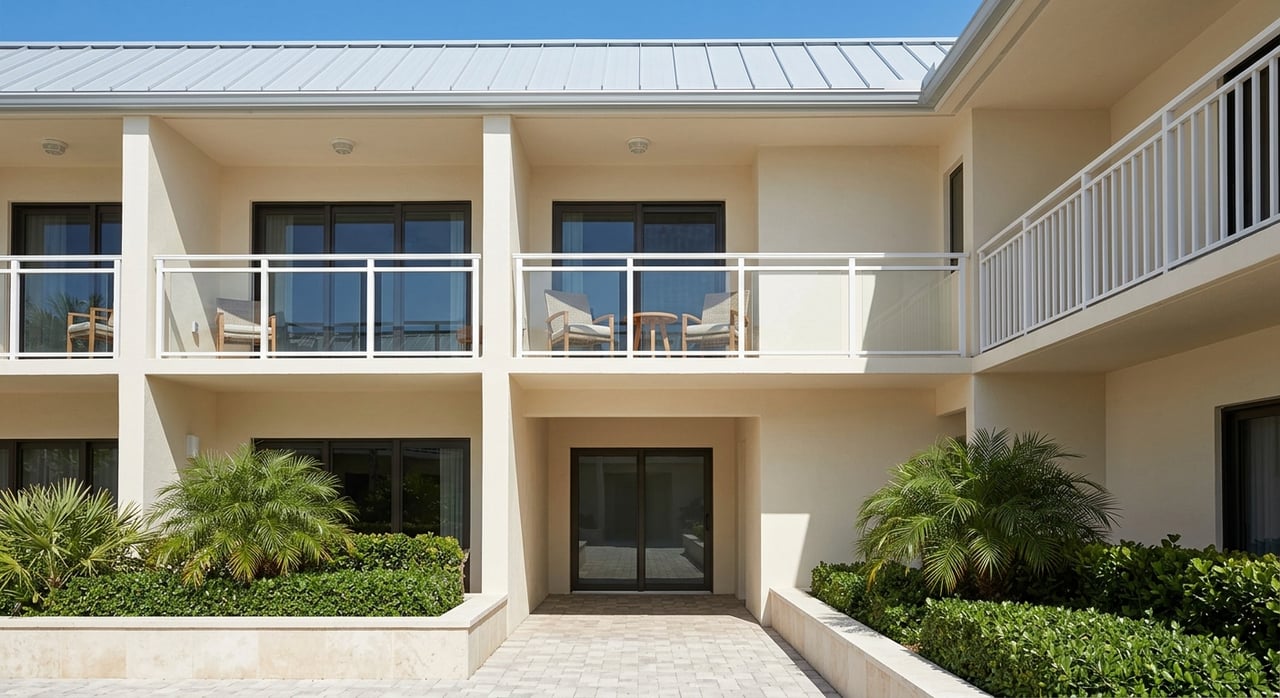
If you are torn between a Seaside cottage and a condo-style property, you are not alone. Both can put you in one of Walton County’s most recognizable beach communities, but they offer very different ownership experiences. The right choice often comes down to how you want to live, what level of responsibility feels comfortable, and how you want to structure the purchase financially. Let’s dive in.
Why Seaside Feels Different
Seaside was designed as a walkable town with a connected street pattern, front porches, native landscaping, and a central gathering area. Official Seaside materials highlight that shopping and dining are within a five-minute walk of residences, and the layout supports walking and biking over car-dependent living.
That matters when you compare cottages and condos here. In many markets, buyers choose between a private home and shared amenities. In Seaside, even cottage owners benefit from community features, including three pools that are reserved for homeowners and guests, with one heated lap pool.
What a Seaside Cottage Really Means
A cottage in Seaside is not just a detached home near the beach. It is ownership within a tightly managed architectural setting where design details are reviewed and regulated.
The Seaside Code governs materials and features such as wood siding, trim, windows, doors, porch floors, roofs, shutters, porches, and balconies. Current review activity has also included items like paint colors, pavers, fences, windows, light fixtures, and boardwalk elements. If you buy a cottage, you get more control over the home itself than you usually would with a condo, but you also take on more owner responsibility and more approval steps.
Cottage Pros
- More direct control over your home
- Strong Seaside character with porch-centered living
- Ownership of a distinct house rather than a unit
- A rental environment in Seaside that is strongly oriented around private homes
Cottage Tradeoffs
- More day-to-day and long-term maintenance responsibility
- Architectural review can affect updates and exterior changes
- Costs may be less predictable than a more shared-structure ownership model
What Condo Ownership Means in Florida
In Florida, a condominium is a legal form of ownership. You own your individual unit and an undivided share of the common elements, which is why the legal documents matter more than the outside appearance of the property.
That point is especially important in Seaside. An attached home or townhome-style property may look like one thing from the street, but the declaration and title documents tell you how ownership is actually structured. If you are comparing options, do not assume the roofline tells the whole story.
Condo-Style Pros
- Simpler lock-and-leave ownership for many buyers
- Associations typically handle more shared building components
- Often a better fit if you want less exterior maintenance responsibility
- Can still give you access to Seaside’s walkable setting and shared amenities
Condo-Style Tradeoffs
- Less control over certain exterior or shared property decisions
- Monthly dues are usually separate from the mortgage
- Financing often depends on the health of the whole project, not just your unit
- Buyers may need to review more association and project-level records
Maintenance: Which Option Is Easier?
For most buyers, a condo-style property is usually easier to maintain than a cottage. Condo associations typically handle more shared structures and common components, while cottage owners usually carry more responsibility for the home itself.
In Seaside, that difference can feel even more pronounced because cottages operate under detailed architectural controls. If you enjoy caring for a distinct property and do not mind approval processes for some changes, a cottage may feel worth it. If you want a more streamlined ownership rhythm, condo-style living may fit better.
Rental Potential in Seaside
If rental potential is part of your plan, cottages deserve close attention. Seaside’s largest vacation rental company is exclusive to Seaside properties and has a portfolio centered on private homes owned by participating cottage owners.
That does not mean every cottage is automatically a rental winner, and it does not mean every condo-style property lacks rental appeal. It does mean Seaside’s most established rental ecosystem is built around private homes rather than a conventional condo-hotel model. If income potential matters to you, review rental rules early and compare how each property fits into the local rental structure.
Financing Differences You Should Expect
Financing is one of the biggest practical differences between a cottage and a condo-style purchase. A stand-alone cottage is generally underwritten based on the property and your borrower profile. A condo loan can also depend on the project’s eligibility, insurance, reserves, and overall association health.
Fannie Mae’s condo standards require lenders to review project-level information, which is why condo underwriting can involve more moving parts. If you want the cleanest path to financing, ask early whether the property is legally a condo and what project documents your lender will need.
Monthly Cost Checklist
When you compare affordability, look beyond principal and interest. Your true monthly housing picture may include:
- Property taxes
- Homeowners insurance
- Flood insurance where applicable
- HOA or condo dues
- Potential reserve or assessment exposure
This is where a finance-first review can save you time. Two properties with similar list prices can feel very different once dues, insurance structure, and project-related costs are factored in.
Insurance Questions Matter More Near the Coast
Insurance should be part of your first conversation, not your last. In a coastal market like Seaside, flood exposure matters because standard homeowners insurance typically does not cover flood damage.
Condo ownership also brings a different insurance structure. Condo owners generally rely on both the association’s master policy and an individual condo policy, while a standard homeowners policy is structured differently for a cottage. Before you move forward, compare the insurance framework for each property and ask what the association covers versus what you would need to carry yourself.
Florida Condo Rules to Review Early
If you are considering a condo-style property, Florida law adds another layer of due diligence. Certain condominium and cooperative buildings that are three stories or higher are subject to milestone inspection requirements, with earlier deadlines possible for buildings near salt water.
Florida law also requires structural integrity reserve studies for certain condo buildings on a set schedule. Those studies can cover major components such as the roof, structure, fire protection systems, plumbing, electrical systems, waterproofing and exterior painting, and windows and exterior doors. Buyers should ask for these materials early because Florida condo contract disclosures require buyers to acknowledge receipt of applicable inspection and structural records.
Documents to Request Before You Offer
No matter which property type you prefer, document review is where smart decisions happen. For Seaside buyers, this step is especially important because ownership structure, costs, and use rules can vary from one property to the next.
Ask for these documents as early as possible:
- Declaration
- Bylaws
- Current budget
- Reserve study, if applicable
- Master insurance summary
- Rental rules
- Milestone inspection records, if applicable
- Structural integrity records, if applicable
For a cottage, also pay close attention to architectural standards and current review practices. For a condo-style property, focus on project reserves, insurance, and the health of the association.
How to Choose the Right Fit
A Seaside cottage may be the better fit if you want a distinct home, stronger porch-and-cottage character, and a property that aligns with Seaside’s private-home rental ecosystem. It can also make sense if you are comfortable with more owner responsibility and a design-review environment.
A condo-style property may be the better fit if you want easier day-to-day upkeep, a more lock-and-leave lifestyle, and a structure where more building responsibilities are handled collectively. It can be a strong option if convenience matters more to you than having direct control over every part of the home.
Here is the simplest way to frame it: choose a cottage if you want more home, more responsibility, and potentially stronger alignment with Seaside’s home-based rental culture. Choose a condo-style property if you want more convenience, more shared oversight, and a lighter maintenance load.
If you are weighing both, the smartest next step is to compare not just the property, but the documents, costs, insurance setup, and rental rules behind it. That is where the best decision usually becomes clear.
When you want local guidance that blends Seaside lifestyle knowledge with finance-first advice, connect with the Justin Myers Real Estate Team to explore the right fit for your goals.
FAQs
Does a Seaside cottage require more maintenance than a condo-style property?
- Usually yes. Seaside cottages give you more direct ownership control, but condo associations typically handle more shared building components and common structures.
Is a cottage or condo more rental-friendly in Seaside, Florida?
- In Seaside, cottages have a stronger built-in rental context because the town’s most established rental ecosystem is centered on private homes owned by participating cottage owners.
What costs should you compare when choosing between a Seaside cottage and condo?
- Compare the mortgage payment, property taxes, homeowners insurance, flood insurance where applicable, HOA or condo dues, and any reserve or assessment risk.
What documents should you review before buying a condo-style property in Seaside?
- Ask for the declaration, bylaws, current budget, reserve study, master insurance summary, rental rules, and any milestone inspection or structural integrity records that apply.
Why does condo financing work differently from cottage financing in Seaside?
- Condo financing can depend on the project’s eligibility, reserves, insurance, and overall association health, while a stand-alone cottage purchase is generally less dependent on project-level review.