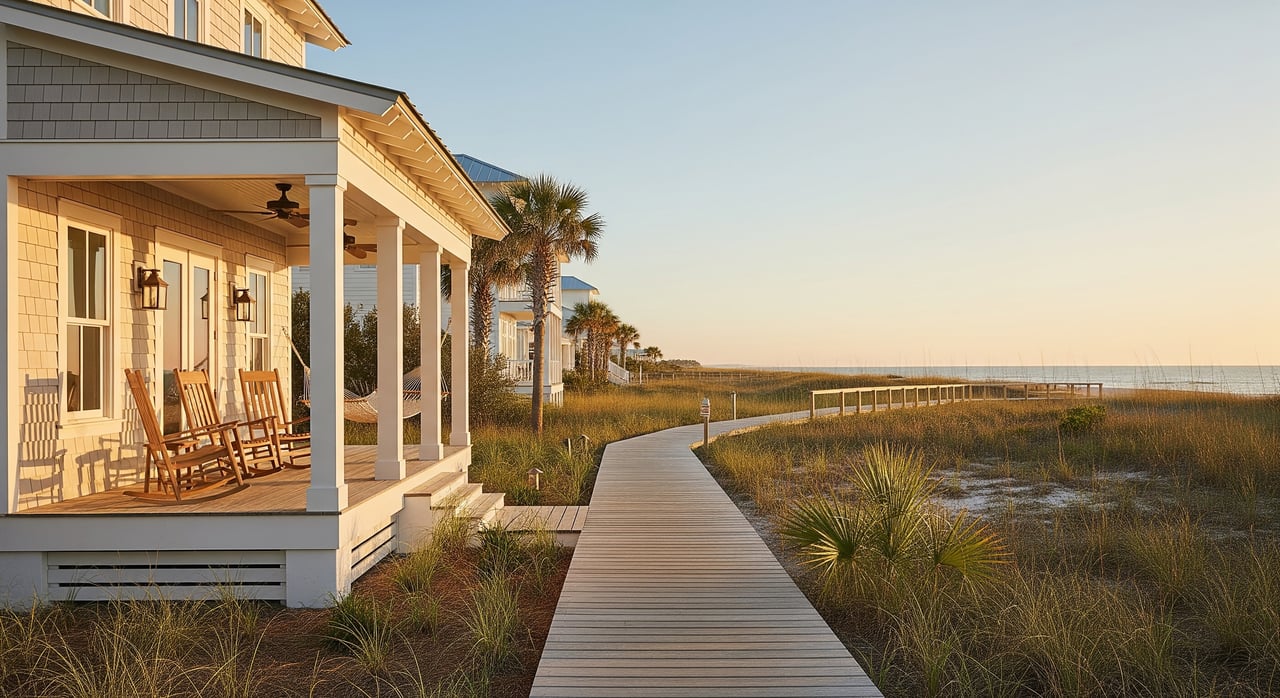
Trying to choose between WaterColor and Seaside along 30A can feel like picking your favorite beach day. Both offer white-sand Gulf access, a relaxed coastal vibe, and strong demand from vacationers. Yet the day-to-day experience and ownership details are different. In this guide, you will see how each community feels, how HOAs and rentals work, and what to expect as a homeowner or investor. By the end, you will know which one fits your lifestyle and goals. Let’s dive in.
Quick take: WaterColor vs. Seaside
- Seaside: Iconic New Urbanist town feel, compact, highly walkable, small-lot cottages, curated retail and cultural events near the town center.
- WaterColor: Larger master-planned resort community, extensive amenities like pools, trails, and a resort inn, broader home sizes, and a neighborhood feel.
- If you want peak walkability and classic cottage charm, Seaside often fits. If you want bigger homes and full-service amenities, WaterColor usually delivers.
Architecture and design controls
Seaside character and rules
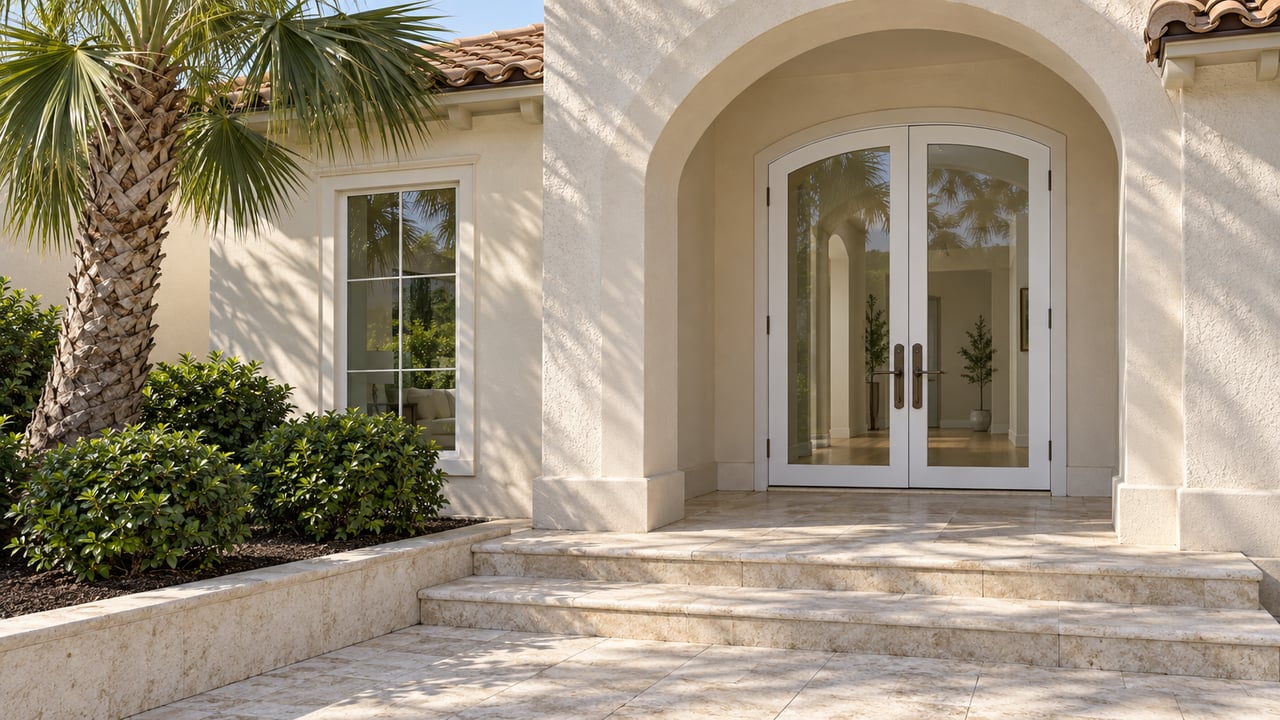
Seaside is known for small, often pastel cottages and carriage houses with front porches and narrow, sidewalk-friendly streets. The design is human scaled and intentionally consistent. Exterior changes usually go through a design-review process that protects the town’s look and feel. If you value a tight, timeless aesthetic, you will likely appreciate the structure these standards provide.
WaterColor character and rules
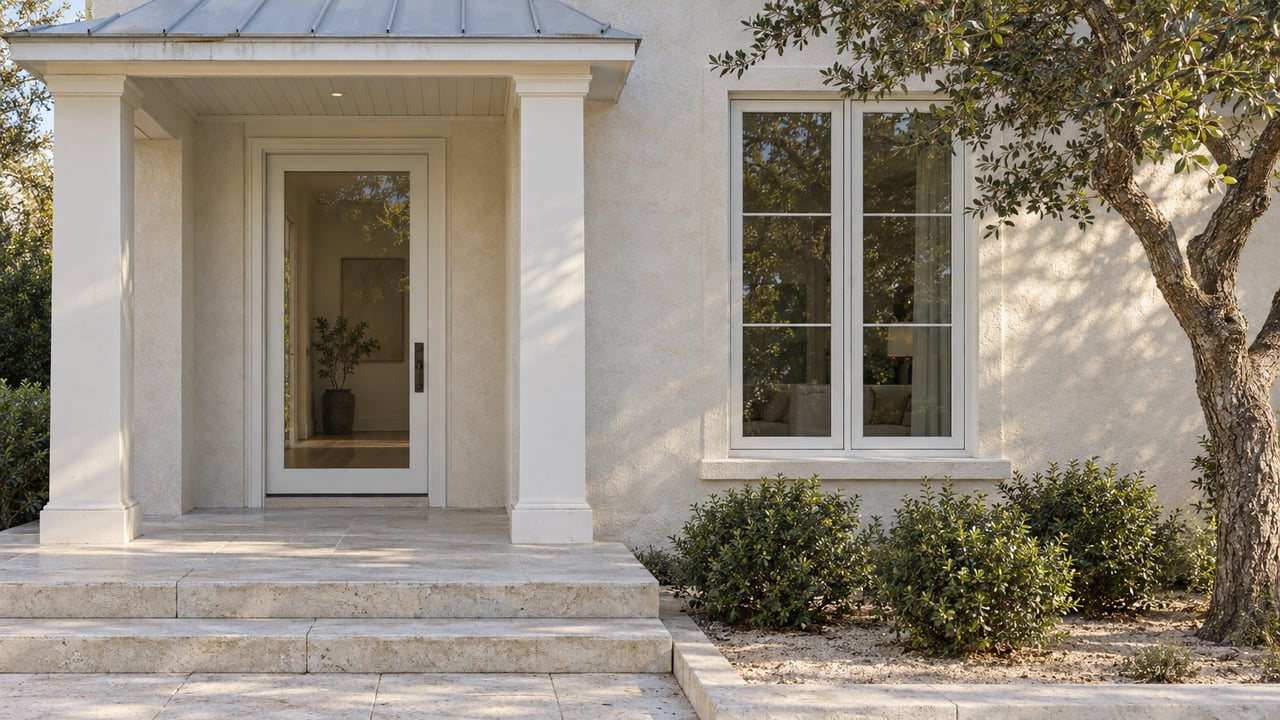
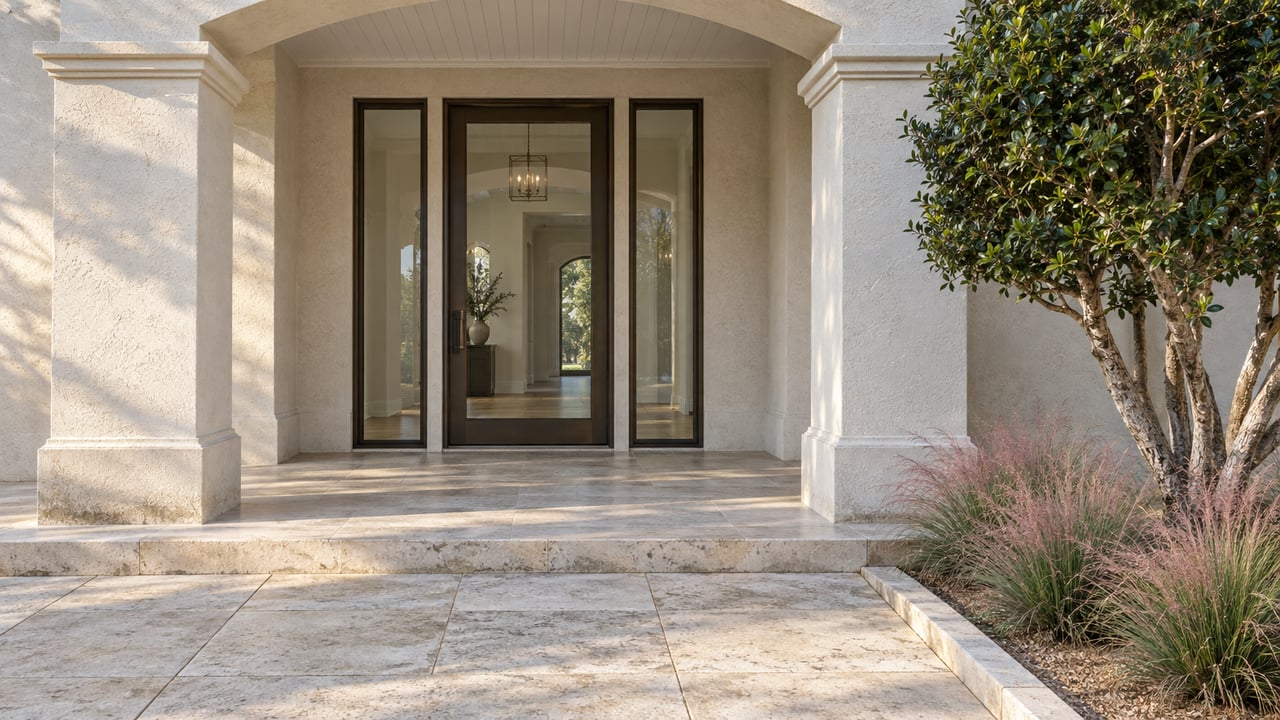
WaterColor blends coastal cottage styles with larger homes and planned landscaping. Streets feel landscaped and open, with access to lakes, trails, and common greens. Like Seaside, WaterColor uses an architectural review process that covers materials, color palettes, and landscaping. Expect rules that aim to maintain an upscale, cohesive resort environment.
Walkability and daily life
Seaside town center lifestyle
Seaside was designed around walking and biking. Shops, restaurants, and gathering spaces cluster near the center, with frequent community events and farmers’ markets. Many cottages sit a short walk from the Gulf and daily needs. If you want a park-once lifestyle, Seaside makes it easy.
WaterColor neighborhood feel
WaterColor is walkable within its neighborhoods and amenity areas, though retail and dining are more campus-like and spread out. You will find pools, trails, and lakes woven into the plan. For groceries and broader services, residents often drive a short distance outside the community.
Beach access and amenities
Seaside beach and culture
Both communities share direct pedestrian access to Gulf beaches. In Seaside, beach walkovers are built into the town plan, which keeps most homes within a short walk of the sand. The energy around the central square adds a social, cultural layer to beach days.
WaterColor beach and resort features
WaterColor emphasizes a resort experience with multiple beach entry points and amenity zones. Community pools, a fitness center, and children’s programming support a full-service feel. Some beachside services and amenities are reserved for owners and registered guests, so be sure to verify access details for the specific property you are considering.
HOAs, governance, and rentals
Community governance basics
Both communities operate under HOAs with Covenants, Conditions and Restrictions and architectural rules. Plan to review CC&Rs, architectural guidelines, and approval timelines before you write an offer. Check rules for exterior maintenance, paint colors, landscaping, flags, holiday displays, fences, parking, and signs so you understand what is allowed.
Fees, reserves, and assessments
HOAs charge recurring fees for common-area upkeep and amenities. WaterColor’s resort-scale amenities can mean higher fees than a purely residential neighborhood. Ask for the current fee schedule, what is covered, reserve studies, and any recent or upcoming special assessments. Clarify what insurance the HOA carries for common areas versus what you must carry as the owner.
Short-term rental framework
Short-term rental rules sit on three layers:
- Community rules: Each HOA may set minimum stays, occupancy limits, noise and parking rules, and requirements for renter registration or local contacts.
- County level: Walton County requires vacation rental registration and collects local tourist development tax. Confirm current registration steps and compliance requirements.
- State level: Florida requires collection and remittance of state sales tax on transient rentals. Registration with the state is part of compliance.
If you plan to rent, confirm the property’s rental status with the HOA in writing. Rules like minimum nights or required managers can affect income and operations.
Market patterns and inventory
Inventory and pricing dynamics
Both communities sit at the premium end of the 30A market. Seaside has historically limited inventory because the town is compact and its cottages are in steady demand. That scarcity can support higher prices per square foot. WaterColor is much larger, with more home types, including larger formats that attract families and multi-generational owners.
Seasonality and buyer profiles
Rental demand is strongly seasonal, with spring and summer as peak periods and softer fall and winter weeks, aside from special events. Many owners plan personal use in the off season. Seaside often attracts buyers who want the iconic cottage look and a lock-and-go, walk-to-dinner routine. WaterColor tends to draw buyers who want robust amenities, multiple pools, and space for groups or longer stays.
Costs, insurance, and taxes
Coastal ownership comes with specific cost checks. Review flood zones through FEMA maps and order a current elevation certificate for the property. Ask insurance providers about windstorm coverage, roof age requirements, flood options, and any carrier limitations in coastal Walton County. For taxes, consult the Walton County property appraiser for assessments and millage. If you intend to rent, plan for state sales tax and local tourist development tax collection and remittance.
Choose based on your goals
If you want walkable charm
Pick Seaside if your top priorities are a compact plan, active town life, and quick walks to dining and events. The neighborhood design encourages biking and strolling all day.
If you want resort amenities
Choose WaterColor if you want multiple pools, a fitness center, nature trails, and a resort inn nearby. You will have more options for larger homes and a neighborhood feel.
If you are investing in rentals
Seaside’s brand recognition and walkability can be attractive to guests, while minimum-stay rules and limited inventory may shape your numbers. WaterColor’s amenity set and home size range can appeal to families and groups, which can support strong peak-season bookings. In both cases, the details of the specific property, HOA rules, and your management plan will drive returns.
If you plan full-time living
Seaside offers a close-knit town-center experience. WaterColor offers more variety in home formats and a broader residential neighborhood setting. Think about your daily routes, parking needs, and how often you expect to host friends or family.
Due diligence checklist
Use this checklist before making an offer:
- Request full HOA documents, CC&Rs, design guidelines, and recent meeting minutes.
- Confirm rental rules and any registration requirements in writing with the HOA or management.
- Review the current HOA fee schedule, reserve study, budget, and any special assessments.
- Pull recent utility bills and typical operating costs from the seller.
- Order quotes for dwelling, wind, and flood insurance based on realistic replacement costs.
- Obtain a flood elevation certificate and verify the FEMA flood zone.
- For income properties, request rental history, occupancy, and average daily rate from the listing agent or manager.
- Review architectural approval history for prior modifications to the property.
- Check for planned public projects nearby and verify any easements, including beach-access easements.
- Confirm local ordinances on noise, signage, and trash that may affect rental operations.
How to tour with confidence
- Map your must-haves: walkability, home size, pool access, parking, and storage.
- Time your visits: tour during a busy period and a quieter time to feel the difference.
- Walk to the beach: compare distances and ease of access for each short list home.
- Review HOA and rental details before touring so you can focus on fit on site.
- Get insurance guidance early so roof age, flood data, and wind coverage are factored into offers.
Buying on 30A should feel exciting and financially sound. If you want a clear path from first tour to confident closing, the Justin Myers Real Estate Team is ready to help you compare neighborhoods, line up financing, and negotiate the right deal.
FAQs
Which is better for full-time living on 30A?
- Seaside offers a compact, town-centered feel, while WaterColor provides larger-home options and resort amenities, so the better fit depends on your daily routines and space needs.
How strict are design rules in Seaside and WaterColor?
- Both have architectural review processes and written standards, so expect to submit plans for exterior changes, confirm timelines, and follow approved color and material guidelines.
What short-term rental rules should I expect in these communities?
- Each HOA may set minimum stays and occupancy limits, Walton County requires rental registration and local tourist taxes, and Florida requires state sales tax collection for transient rentals.
How do HOA fees compare between Seaside and WaterColor?
- Fees vary by property and inclusions, and WaterColor’s resort-style amenities can lead to higher costs, so request the current fee schedule and what each fee covers.
What are typical insurance considerations for 30A beach homes?
- Review flood zones and elevation, obtain quotes for windstorm and flood, and verify roof age and carrier requirements specific to coastal Walton County.
How limited is Seaside inventory compared to WaterColor?
- Seaside is compact with historically low turnover, while WaterColor is larger with more variety in home types and size, which can create more options at a given time.
What should investors consider for seasonal rentals on 30A?
- Expect peak demand in spring and summer, softer shoulder seasons, and plan for HOA rental rules, management costs, and realistic occupancy and rate assumptions.