Booking a beach escape or buying an income property in Miramar Beach should feel exciting, not overwhelming. With sugar‑white sand, family‑friendly fun, and a steady tourism flow, the area is a favorite for vacationers and investors. The key is choosing the right short‑term rental and understanding what truly drives value here. In this guide, you’ll learn how to evaluate locations, amenities, rules, and numbers so you can book or buy with confidence. Let’s dive in.
Miramar Beach STR basics
Miramar Beach sits on Florida’s Emerald Coast in Walton County with quick access to Destin, Sandestin, and the 30A corridor. Visitor demand peaks in summer, with spring break and winter holidays also drawing strong crowds. Shoulder seasons see weekend surges, while late fall and parts of winter run lighter.
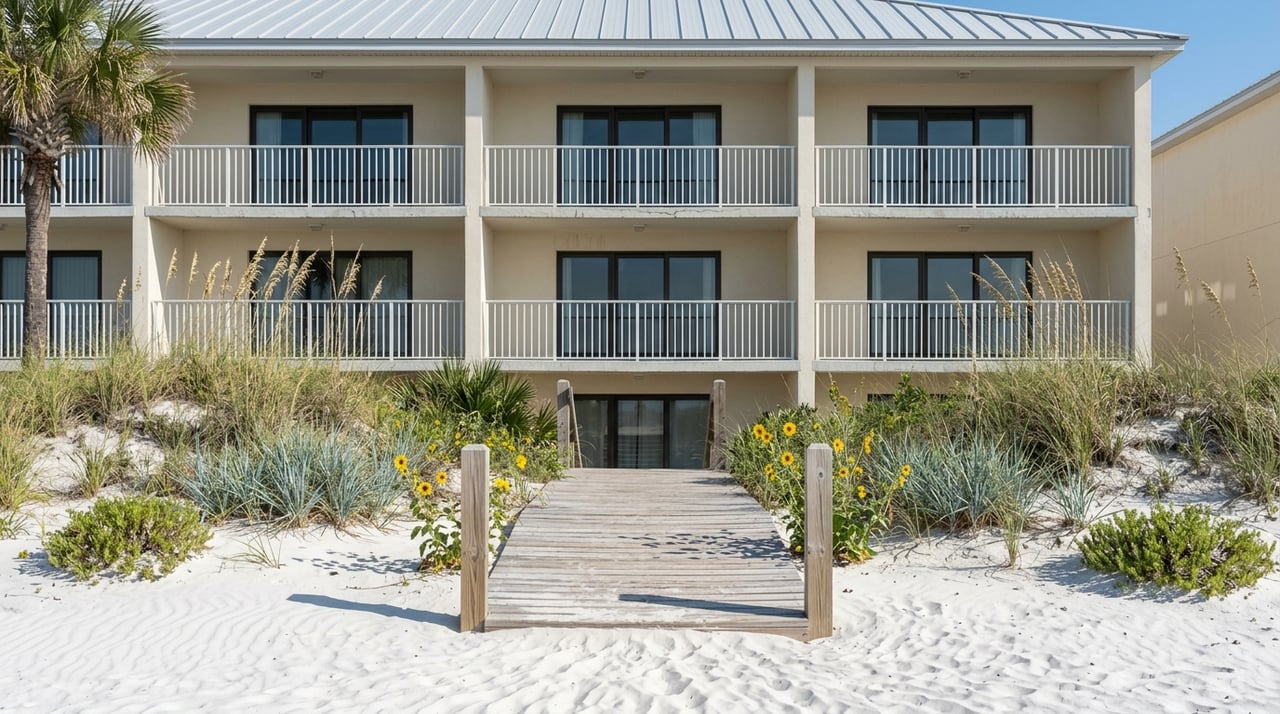
Common rental types include beachfront condos, single‑family homes, townhomes or duplexes, and villas inside resort communities. Guests are often families, multi‑family groups, and repeat seasonal visitors who value beach access, convenient parking, and easy trips to dining and activities. For current visitor context and events, review the resources at Visit South Walton.
Local rules and taxes
Miramar Beach is in unincorporated Walton County, and local rules can change over time. Many Florida beach communities require some combination of registration, safety standards, or business tax receipts for short‑term rentals. Start by reviewing the Walton County Code of Ordinances, and confirm any active processes with the county.
If you are buying a condo or in an HOA community, review the condo documents and CC&Rs for rental terms, occupancy rules, or added fees. HOA rules can be decisive because some communities restrict rentals or set minimum stays.
Short‑term rental stays are usually subject to state and local transient taxes. Check the Florida Department of Revenue for state guidance on sales and resort taxes, and verify local tourist development tax details with the Walton County Tax Collector. Some platforms may collect and remit certain taxes in this area, but you should confirm which taxes they cover and which remain your responsibility. Owners also need to report rental income for federal and state income tax; consult a tax professional for depreciation and expense strategies.
Insurance and safety
Standard homeowner’s policies often exclude frequent short‑term guests. Owners should secure a policy designed for short‑term rentals that includes property coverage, liability, and ideally loss‑of‑income protection. Because Miramar Beach is coastal, review flood zones and elevation and price out flood insurance through the NFIP or private carriers. You can look up flood risk by address using the FEMA Flood Map Service Center. Ask your agent about wind or hurricane coverage and the hurricane deductible.
Health and safety requirements can include working smoke detectors, carbon monoxide detectors where needed, egress standards, and pool fencing or rules. If you plan to operate a rental, confirm safety steps with Walton County or building officials and coordinate with your HOA or property manager.
Choose the right area and property
Location and guest appeal
- Beach proximity raises nightly rates and occupancy, but also increases purchase price and maintenance. Properties with direct or easy walkable beach access often command a premium.
- Parking matters, especially in busy months. Confirm on‑site parking and clearly communicate parking rules to guests.
- Walkability to public beach access points, grocery stores, and restaurants tends to increase booking appeal.
- Views can boost performance. Gulf views or a short walk to the sand can help your listing stand out.
Condo vs home vs resort property
- Condos: Lower day‑to‑day maintenance and shared amenities can be a plus. Review HOA rules, dues, and reserve health. Some buildings limit stays or ban short stays entirely.
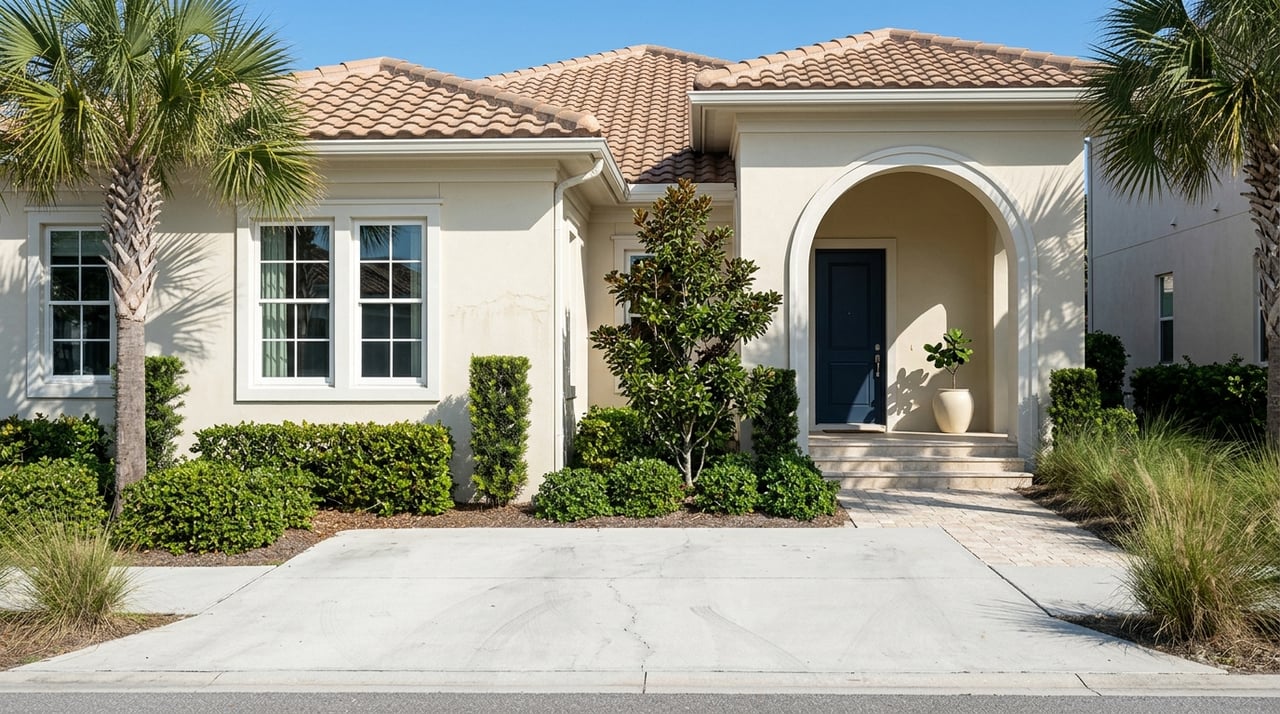
- Single‑family homes: More control, privacy, and the potential for higher weekly rates. Expect higher maintenance, insurance, and management needs, especially for pools and landscaping.
- Resort communities: Built‑in amenities and rental programs can be convenient, but fees and rules may be higher.
Amenities guests book
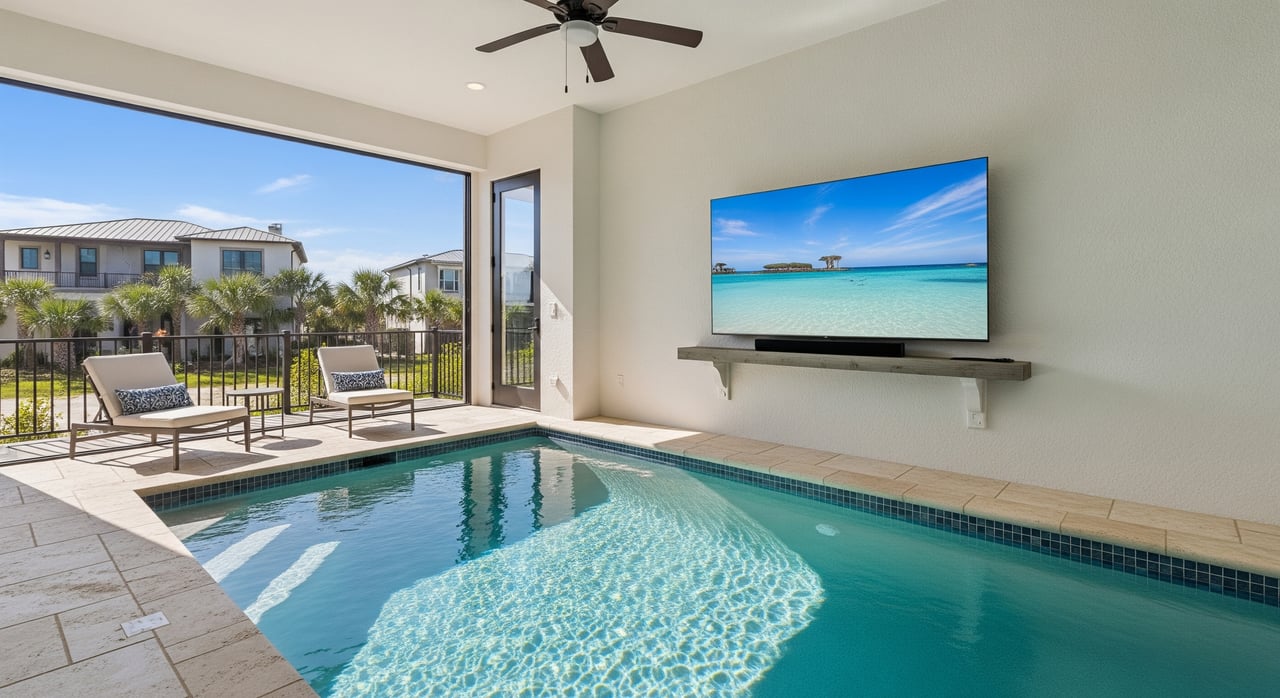
- High‑impact features: updated kitchen, private or community pool, fast Wi‑Fi, in‑unit laundry, reliable air conditioning, and convenient beach access.
- Small wins: starter supplies, quality linens, clear check‑in instructions, beach chairs and umbrellas, and a simple local guide to dining and activities.
- Pet‑friendly can widen demand if your HOA or community allows it. Always confirm rules and fees.
Condition and maintenance
- Durable finishes like tile or luxury vinyl plank reduce turnover costs and wear from sand and moisture.
- Beachfront exposure increases salt corrosion. Budget for more frequent HVAC service, exterior upkeep, and hardware replacement.
- Ensure you can access reliable vendors during peak season. Cleaning teams, HVAC pros, and pool services book up quickly in summer.
Financial and operations for investors
Revenue drivers and seasonality
Average daily rate and occupancy vary by property type, exact location, and season. Direct beach access and strong amenities typically command higher rates in peak months. When you model annual results, include conservative assumptions for slower fall and winter periods, except key holidays. For benchmarking by neighborhood and property type, consider STR analytics tools like AirDNA and compare to recent local comps.
Costs to model
- Operating expenses: utilities, HOA dues, property and flood insurance, property taxes, routine maintenance, pool and landscaping, cleaning and supplies, platform fees, and advertising.
- Management: If you hire a full‑service manager, fees often range from 20 to 35 percent of gross revenue.
- Capital reserves: plan for furniture refreshes, appliance replacement, and periodic renovations to stay competitive.
- Compliance: budget for registrations, business tax receipts, safety items, and any HOA approval costs.
Financing and cash flow
Some lenders treat projected short‑term rental income differently than long‑term leases. If you plan to use a mortgage, verify lender requirements early. Build your cash flow model with conservative occupancy and include management fees, seasonal price swings, and maintenance. Speak with a CPA experienced in vacation rentals about depreciation, passive activity rules, and potential QBI considerations.
Metrics that matter
Track performance using simple, clear KPIs:
- RevPAR: revenue per available rental night
- NOI: net operating income after operating expenses
- Cash‑on‑cash return: annual pre‑tax cash flow divided by your cash invested
- Cap rate: NOI divided by purchase price for a quick comparison with other strategies
Working with local partners
Miramar Beach has a mature vendor ecosystem, but availability is tight in peak seasons. Interview property managers about guest relations, pricing strategy, revenue management, and emergency response. Confirm a reliable cleaning company with enough capacity for back‑to‑back summer turnovers. Build a short list of HVAC, pool, plumbing, roofing, and electrical contractors who understand coastal conditions. An insurance agent with coastal and STR experience can help you balance coverage and cost.
For property research, the Walton County Property Appraiser is a useful source for parcel records and assessed values. When planning calendars and marketing, align with seasonal visitor patterns using insights from Visit South Walton.
Storm and seasonal planning
Hurricane season planning is essential. Draft a written plan that covers guest communication, check‑in pauses, evacuation routes, and refund or reschedule policies. Keep outdoor areas clear of loose items and confirm you have storm shutters or impact windows where appropriate. During slower months, schedule preventative maintenance like HVAC checks, roof inspections, and pool adjustments to reduce surprise costs when demand returns.
Quick checklists
For vacation renters booking a Miramar Beach stay
- Confirm beach access type and distance to public access points.
- Ask about on‑site parking, elevator access, and any resort or HOA fees.
- Look for safety features like smoke and carbon monoxide detectors and pool rules.
- Review Wi‑Fi details, laundry access, and outdoor spaces you plan to use.
- Read recent reviews for cleanliness, noise, and host responsiveness.
- Clarify cancellation and hurricane policies before you book.
For buyers and investors evaluating a property
- Verify current Walton County requirements and registration steps in the Walton County Code of Ordinances.
- Review HOA or condo documents for rental rules, minimum stay limits, fees, and approval processes.
- Pull a flood zone report and elevation, then price coverage using the FEMA Flood Map Service Center and a coastal‑savvy insurance agent.
- Request historical rental statements if available, and benchmark ADR and occupancy with tools like AirDNA.
- Build a full expense pro forma: insurance, taxes, HOA dues, utilities, cleaning, supplies, maintenance, management, and reserves.
- Confirm availability of cleaners and trades for peak season response.
- Inspect for coastal wear: roof, windows, doors, HVAC, exterior hardware, and pool systems.
- Verify lender policies for STRs and any down payment or reserve requirements.
- Outline a guest safety and hurricane plan you can hand to guests and staff.
- Check platform tax collection rules, then confirm state and local remittance with the Florida Department of Revenue and the Walton County Tax Collector.
How our team can help
You deserve clear guidance that blends local insight with solid financial planning. Our team combines boots‑on‑the‑ground knowledge of Miramar Beach and the Emerald Coast with a finance‑first approach to help you evaluate returns, navigate HOA rules, and line up the right vendors. Whether you want a turnkey vacation home or a high‑performing short‑term rental, we help you buy confidently and set up operations the right way.
Ready to explore Miramar Beach properties or fine‑tune your STR strategy? Reach out to the Justin Myers Real Estate Team for local guidance and a data‑driven plan.
FAQs
Do I need county permission to run a short‑term rental in Miramar Beach?
- Walton County may require registration and compliance with safety and business rules. Start with the Walton County Code of Ordinances and confirm details with the county.
What taxes apply to short‑term rental stays in Walton County, Florida?
- Short stays are generally subject to state sales or resort taxes and local tourist development taxes. Review guidance from the Florida Department of Revenue and verify local steps with the Walton County Tax Collector.
How do I check flood risk for a Miramar Beach property?
- Look up the specific address on the FEMA Flood Map Service Center and discuss coverage options with a coastal‑experienced insurance agent.
Should I buy a condo or a single‑family home for an STR in Miramar Beach?
- Condos offer shared maintenance but may restrict rentals. Homes provide more control and higher potential rates but come with higher maintenance and insurance costs. Your target guest and budget should guide the choice.
How can I estimate potential STR income in Miramar Beach?
- Compare similar properties and use benchmarking tools like AirDNA to estimate seasonal ADR and occupancy. Build conservative projections and include management and maintenance costs.
Where can I find property records and assessed values in Walton County?
- Search by address or parcel at the Walton County Property Appraiser to review property data during your due diligence.