Staring at a line item for HOA fees and wondering what you actually get in WaterColor? You are not alone. When you buy into a resort-style community, the fees, rules, and access policies can feel complex. The good news is that once you know how the associations are structured and what the fees cover, you can budget with confidence and protect your resale value. Let’s dive in.
WaterColor HOA basics
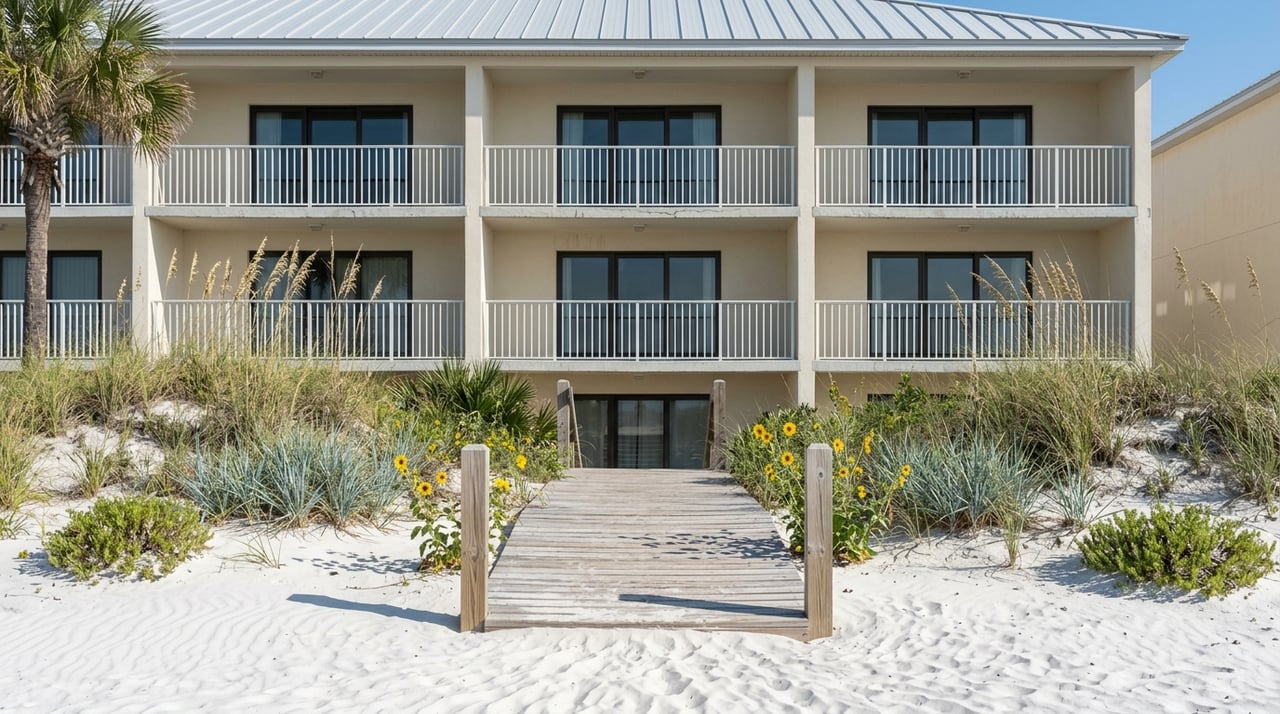
WaterColor is a planned, resort-style community adjacent to Seaside in Walton County. Communities like this often have layered governance. You usually have a master homeowners association that manages community-wide elements, and some homes or condos may also belong to a sub-association that handles building or neighborhood items.
Florida associations follow state statutes. Homeowners associations are typically governed by Florida Statutes Chapter 720. Condominium associations follow Chapter 718, and cooperatives follow Chapter 719. These laws set standards for budgets, reserves, financial reporting, meetings, and member rights.
What this means for you is simple. Confirm which associations govern the specific address you are considering and ask for the governing documents. Fees, rules, and amenity access can vary by parcel or by building, so you want the exact package for your home or condo.
What HOA fees cover
Master HOA fees in a resort-style coastal community often fund daily operations and long-term upkeep. While every association is different, you will typically see these categories:
- Common-area care. Landscaping, irrigation, lighting, signage, sidewalks, and road maintenance.
- Amenity operations. Pools, fitness areas, clubhouses, courts, playgrounds, boardwalks, trails, and parking areas.
- Utilities for shared spaces. Power, water for irrigation, pool systems, and trash service for common areas.
- Security and access control. Gates, patrols, lighting, key fobs or badges.
- Management and admin. On-site staff, property management fees, legal and accounting.
- Insurance on common elements. Property and liability coverage for community structures and shared spaces.
- Reserves. Funds for future capital work like paving, roof replacements on community buildings, and pool equipment.
- Programming and events. Community events, classes, and family-friendly activities where offered.
- Coastal stewardship. Dune and beach-area maintenance, boardwalk upkeep, and post-storm clean-up when applicable.
Some items may be billed separately or be optional. Examples include beach club memberships or initiation fees, select resort services, and special assessments for large projects or storm recovery. Individual utilities for your home are usually separate unless your documents say otherwise.
Owner amenities and access
Amenity-rich communities commonly use owner cards or badges for access. There can be guest rules, parking policies, and seasonal reservation systems for popular features. During peak seasons, communities often add staff such as lifeguards or attendants. This improves service but may raise operating costs, which affects budgets and reserves.
If a property belongs to both a master association and a sub-association, access can vary. Some amenities are included in the master fee, while building or neighborhood features may be funded by a sub-association. Ask for a written list of what is included for your address, any optional memberships, and the fee schedule for owner guests.
Due diligence checklist
Before you buy, request and review the essentials. These documents and answers help you compare homes, plan your budget, and reduce surprises.
- Current year HOA budget and past budgets
- Latest reserve study or reserve funding plan
- Most recent financial statements or audit
- CC&Rs, bylaws, rules and regulations, and architectural guidelines
- Board and annual meeting minutes for the past 6 to 12 months
- Estoppel or resale certificate showing fee status and assessments
- Master insurance certificates for the association
- Recorded amendments to the covenants and plats
- Any disclosures on litigation involving the association
- List of planned capital projects and any special assessments
- Written rental and guest policies, including short-term rental rules
- Amenity access procedures, owner cards, guest rules, and fee schedules
Key questions to ask:
- What exactly is covered by the master fee and by any sub-association fee for this address?
- Are there separate membership or initiation fees for beach, club, or fitness access?
- What is the reserve study outcome and how well funded are reserves?
- Were there assessments in the past five years, and are any planned?
- What are the rules for short-term rentals and guest passes?
- How are seasonal costs handled across the year?
- What are the parking, pet, and exterior maintenance policies?
- How were prior storm repairs funded and are there any open claims?
Rental rules and guest use
Short-term rental rules can shape both owner costs and potential income. Some associations allow vacation rentals with registration and guest pass procedures. Others add limits or charge additional fees tied to wear and tear. Always confirm association policies alongside any county or municipal rules that apply in Walton County or the Seaside area before you underwrite rental income.
If you plan to rent, ask how rental guests access amenities, how parking is managed, and whether there are extra cleaning or wear-related fees. Clear guidance helps you set expectations with your guests and your property manager.
Budget your total cost
Think beyond the base HOA fee. Build a complete annual picture so you can compare homes and choose the right fit.
- Master HOA fee
- Sub-association fee, if applicable
- Optional or mandatory club or amenity dues
- Property taxes
- Homeowners insurance
- Flood insurance where required
- Utilities not covered by the HOA
- Routine maintenance and reserve funds for your home
- Rental-related costs if you plan to host guests
Here is a simple budgeting framework you can use:
- Base HOA fee: X per month (master) + Y per month (sub-association)
- Club or amenity dues: Z per year
- Property taxes plus insurance and flood insurance: A per year
- Utilities and maintenance: B per year
Total annual carrying cost = (X + Y) × 12 + Z + A + B. Fill in the numbers from the association documents, insurance quotes, and tax estimates for your property.
How amenities affect resale
Amenities are part of the value you buy. High-quality, well-run amenities can broaden buyer appeal and support premium pricing in a resort market. Predictable budgets and healthy reserves also signal good management, which helps buyer confidence and appraisals.
There are tradeoffs to consider. Staffed facilities, peak-season operations, and coastal stewardship cost money, which can raise fees. Restrictive rental rules or steep initiation fees can narrow the pool of investor buyers. The best test is a side-by-side comparison with nearby communities along 30A. Look at fee levels, amenity quality, reserve funding, and rental policies to see which mix the market values most.
Local factors to weigh
Walton County is a coastal market, so a few local items deserve extra attention.
- Flood risk. Many properties along 30A sit in FEMA flood zones. Review the Flood Insurance Rate Map for your address and get a quote for flood insurance and deductibles.
- Hurricane exposure. Learn about prior storm damage, dune and boardwalk maintenance, and how major repairs were funded.
- Property taxes. Taxes are separate from HOA fees and can be a meaningful part of your budget. Review assessed values and tax history with the county appraiser.
- Local ordinances. Check local rules on dunes, beach access, and short-term rentals that could affect operations and costs.
Red flags to investigate
Most associations run well, but these warning signs are worth a closer look.
- Low or underfunded reserves in the latest study
- Frequent or large special assessments
- Ongoing or significant association litigation
- Ambiguous rental rules if you plan to rent
- Limited financial transparency or slow records access
- Rapid fee growth without a documented capital plan
- Conflicts between master and sub-association rules that create duplicate costs
Your next steps
If WaterColor is on your shortlist, get the association documents for the exact address you are considering. Pair the budget and reserve study with insurance quotes and a tax estimate so you see the full picture. If you are financing, share the association details with your lender early so underwriting goes smoothly.
As a coastal market team with a finance-first approach, we help you stack these pieces into a clear plan. From document requests to cost comparisons across 30A neighborhoods, you will understand what you are buying and how it performs over time. When you are ready to move forward, connect with the Justin Myers Real Estate Team for local guidance and a confident path to closing.
FAQs
What do WaterColor HOA fees usually include?
- Most master fees typically cover common-area care, amenity operations, shared utilities, management, insurance on common elements, and reserves. Always confirm the exact list for your address.
Are there separate fees for beach or club access in WaterColor?
- Some communities charge initiation or membership fees for select amenities. Ask the association for a written schedule that shows what is included and what is optional for your property.
How do short-term rentals interact with WaterColor HOA rules?
- Associations often require registration for rental guests and may set limits or fees. Verify both association policies and local Walton County rules before relying on rental income.
How do I check reserve health before buying in WaterColor?
- Review the latest reserve study and current budget, then compare reserve targets to actual funding. Ask about recent or planned assessments and major capital projects.
What should I budget beyond the HOA fee in WaterColor?
- Plan for sub-association dues if applicable, property taxes, homeowners and flood insurance, utilities not covered by the HOA, and routine maintenance. Add rental-related costs if you plan to host guests.
Can HOA finances affect my mortgage approval in WaterColor?
- Yes. Lenders review association stability, reserves, insurance, and any litigation. Share association documents with your lender early to avoid surprises.