Wondering whether a Dune Allen property should be your full-time home, your personal beach escape, or a short-term rental? That decision matters more here than in many other markets because Dune Allen blends quiet coastal living with real visitor demand. If you choose your strategy early, you can line up the right financing, ownership structure, and expectations from day one. Let’s dive in.
Why strategy matters in Dune Allen
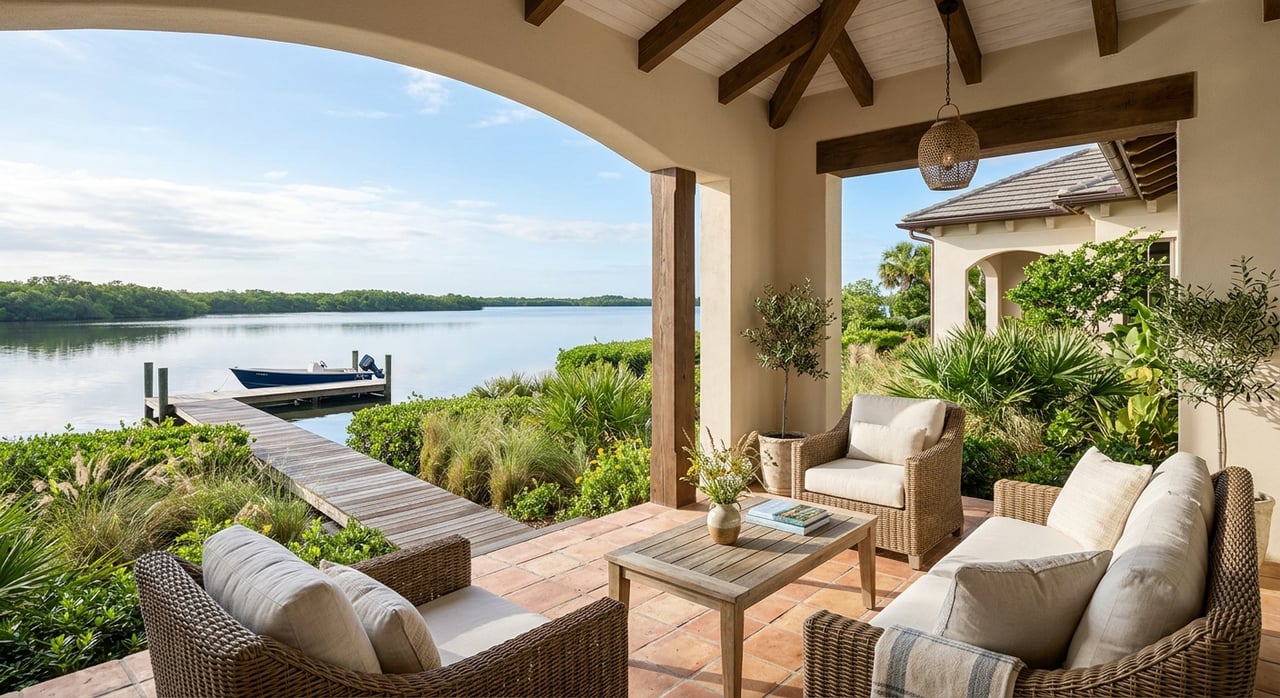
Dune Allen has a distinct feel within South Walton. The area is known for beach access, trails, rare coastal dune lakes, and access to Topsail Hill Preserve State Park, which gives it a quieter, nature-forward character.
That lifestyle appeal can work for more than one type of owner. You may love it as a primary residence, enjoy it seasonally as a second home, or see its appeal to visitors looking for a beach stay in South Walton.
At the same time, Dune Allen is still part of a coastal, seasonal market. Walton County tourism data shows strong spring visitor volume, more than 1 million room nights, and a booking pattern heavily influenced by vacation rental platforms, which tells you demand exists but does not stay flat year-round.
Primary residence in Dune Allen
A primary residence can be the best fit if your top priority is living in Dune Allen full time. This path tends to make the most sense when your focus is daily lifestyle, owner occupancy, and long-term personal use rather than frequent rental activity.
Walton County exempts certain owner-occupied homesteaded single-family dwellings from its short-term vacation rental certification process. That can be a meaningful advantage if you plan to live on-site full time and keep the property as your homestead.
The tradeoff is that this strategy is less flexible if you later decide to rent the home heavily. Walton County states that the exemption depends on full-time owner occupancy and continued homestead status, and Florida Statute 196.061 warns that renting all or substantially all of a homesteaded dwelling can be treated as abandonment of homestead for tax purposes.
When a primary home makes sense
A primary residence may be the right move if you want:
- Full-time use of the property
- A quieter beach lifestyle centered on trails and outdoor access
- The benefits tied to homestead status
- Less interest in operating the home like a rental business
Primary home tradeoffs to plan for
Living full time in a coastal setting brings maintenance realities that you should budget for. Moisture control matters, flood risk can affect insurance and financing, and salt air can increase wear on materials and systems.
EPA guidance recommends drying wet areas within 24 to 48 hours and keeping indoor humidity below 60 percent to help control mold. FEMA also notes that flood insurance can be required for buildings in Special Flood Hazard Areas when financed by federally regulated lenders.
Second home in Dune Allen
For many buyers, a second home is the middle-ground strategy. It gives you personal use first, without the demands of full-time occupancy, while leaving room for future rental use if the property and rules support it.
This can be especially appealing in Dune Allen because the neighborhood offers both a private residential feel and strong access to the beach and outdoor recreation. You can enjoy the property seasonally and still preserve optionality.
Florida law limits how local governments can regulate vacation rental duration or frequency, so the practical decision points often come down to the property type, the recorded community rules, and your willingness to handle any required tax and registration steps. That means the address alone does not answer the rental question.
Why second homes appeal in Dune Allen
A second home may be a smart fit if you want:
- Personal use during part of the year
- Flexibility to revisit rental plans later
- A property that supports both lifestyle and long-term value goals
- More control over wear and occupancy than a full-time rental model
Second home tradeoffs to weigh
Even if you use the home only part time, the coastal ownership checklist does not disappear. You still need to think through insurance, humidity control, corrosion, routine maintenance, and any association restrictions.
This is where a finance-first approach helps. Before you buy, it is worth making sure the property is being evaluated not just for beauty and location, but for carrying costs, reserve needs, and future use flexibility.
Short-term rental in Dune Allen
If your main goal is income, you should approach the property as an operating business first. Dune Allen sits inside a South Walton visitor market with meaningful seasonal demand, but that does not make every property a strong rental fit.
Florida law defines a vacation rental as a transient public lodging establishment in qualifying dwelling types, and owners of new public lodging establishments must obtain a license before operating. Walton County also requires annual registration for short-term vacation rentals.
This is the most compliance-heavy strategy of the three. It can work well, but only if you are ready to manage registration, taxes, advertising requirements, maintenance, and property-specific limitations.
What short-term rental owners need to know
According to Walton County, owners must also be registered with:
- The Florida Department of Revenue
- The Florida Department of Business and Professional Regulation
- The Walton County tourism tax office
Walton County also requires advertising to include the short-term rental certificate number and the TDT registration number. The county's posted individual registration fee is $300 per property, and operating without registration can result in a $500-per-day fine.
For taxes, the Florida Department of Revenue says rentals of accommodations such as beach houses, condos, and vacation houses for six months or less are taxable. Walton County’s tourism department states that the bed tax south of Choctawhatchee Bay is 5 percent.
Rental demand in context
The countywide visitor picture supports the idea that Dune Allen can attract renters, especially during active travel seasons. Walton County’s Spring 2024 visitor tracking study reported 1,331,700 visitors, 1,028,400 room nights, and 55.2 percent occupancy.
Still, those numbers are countywide, not property-specific. You should treat income expectations carefully, because occupancy, rates, and seasonality can vary significantly based on the home, access, parking, and guest appeal.
How to compare the three paths
Choosing between primary home, second home, and rental usually comes down to how you want to spend your time, how much oversight you want, and how much flexibility you need later.
| Strategy | Best For | Main Advantage | Main Caution |
|---|---|---|---|
| Primary residence | Full-time owners | Lifestyle focus and potential homestead-related advantages | Less flexibility for heavy future rental use |
| Second home | Seasonal owners | Personal use with future optionality | Still requires coastal upkeep and rule review |
| Short-term rental | Income-focused buyers | Access to a visitor-driven market | Highest compliance and operational workload |
Property diligence before you decide
Before you commit to a strategy, make sure the property itself fits that use. In Dune Allen, that means looking beyond the listing photos and asking practical questions early.
Check property type and rules
Walton County says certain condominiums are excluded from its certification process, but state lodging rules can still apply. That makes condos and single-family homes meaningfully different when you are planning personal use versus rental use.
You should also verify the recorded association documents, if any, to confirm that your intended use pattern is allowed. This step can save you from buying a property that does not match your goals.
Review flood and moisture exposure
Coastal ownership means you need to account for flood, humidity, and corrosion exposure from the start. These factors affect not only comfort, but also insurance, financing, maintenance schedules, and reserves.
DOE guidance notes that high humidity and salt air can accelerate corrosion. NOAA also notes that coastal erosion continually reshapes shorelines, which is a reminder that coastal ownership often requires more attention to exterior materials, windows, hardware, decking, and HVAC systems than inland ownership.
Think about beach access and parking
Beach convenience is part of the value story in Dune Allen. The area includes regional beach access amenities such as seasonal lifeguards, ADA restrooms, and parking at Dune Allen Regional Beach Access.
That said, convenience can feel different in peak season than it does during quieter months. If you are buying for personal enjoyment or guest appeal, access logistics and parking deserve a close look.
Questions to answer before making an offer
A smart property strategy usually starts with a few clear conversations. Before you move forward, make sure you can answer these questions with your lender, tax professional, and local real estate team:
- Is the loan being underwritten as a primary residence, second home, or investment property?
- Do the recorded association documents allow your intended use?
- If renting is part of the plan, what licensing, registration, tax, parking, and occupancy steps apply?
- How would homestead status, flood insurance, and repair reserves affect your monthly carrying cost?
The bottom line for Dune Allen buyers
In Dune Allen, the right strategy is less about the zip code alone and more about how you plan to use the property. A primary residence can be the cleanest path for full-time living, a second home can offer the best balance of enjoyment and flexibility, and a short-term rental can fit the market if you are prepared for the operational side.
The key is choosing with clarity before you buy. When your financing, ownership goals, and property selection all match, you put yourself in a much stronger position to enjoy the purchase and avoid expensive surprises later.
If you want help weighing lifestyle goals against financing, rental potential, and property-level realities in Dune Allen, the Justin Myers Real Estate Team can help you build a smarter Emerald Coast buying plan.
FAQs
Is Dune Allen better for a primary home or a rental property?
- It depends on your goals. Dune Allen can work well for full-time living because of its quieter, nature-forward setting, while short-term rentals can also be viable because it sits inside South Walton’s visitor market.
What should buyers know about short-term rental rules in Walton County?
- Walton County requires annual short-term vacation rental registration, and owners may also need registration with the Florida Department of Revenue, DBPR, and the county tourism tax office.
Can a homesteaded Dune Allen home be used as a vacation rental?
- Walton County says certain owner-occupied homesteaded single-family dwellings can be exempt from the county certification process, but renting all or substantially all of a homesteaded dwelling can affect homestead status for tax purposes.
Why is a second home strategy popular in Dune Allen?
- A second home gives you personal beach use without full-time occupancy and may preserve future rental flexibility if the property type, recorded rules, and tax setup support that plan.
What coastal ownership costs matter most in Dune Allen?
- Buyers should pay close attention to flood insurance, moisture control, corrosion-related wear, maintenance reserves, and the effect those items can have on monthly carrying costs.