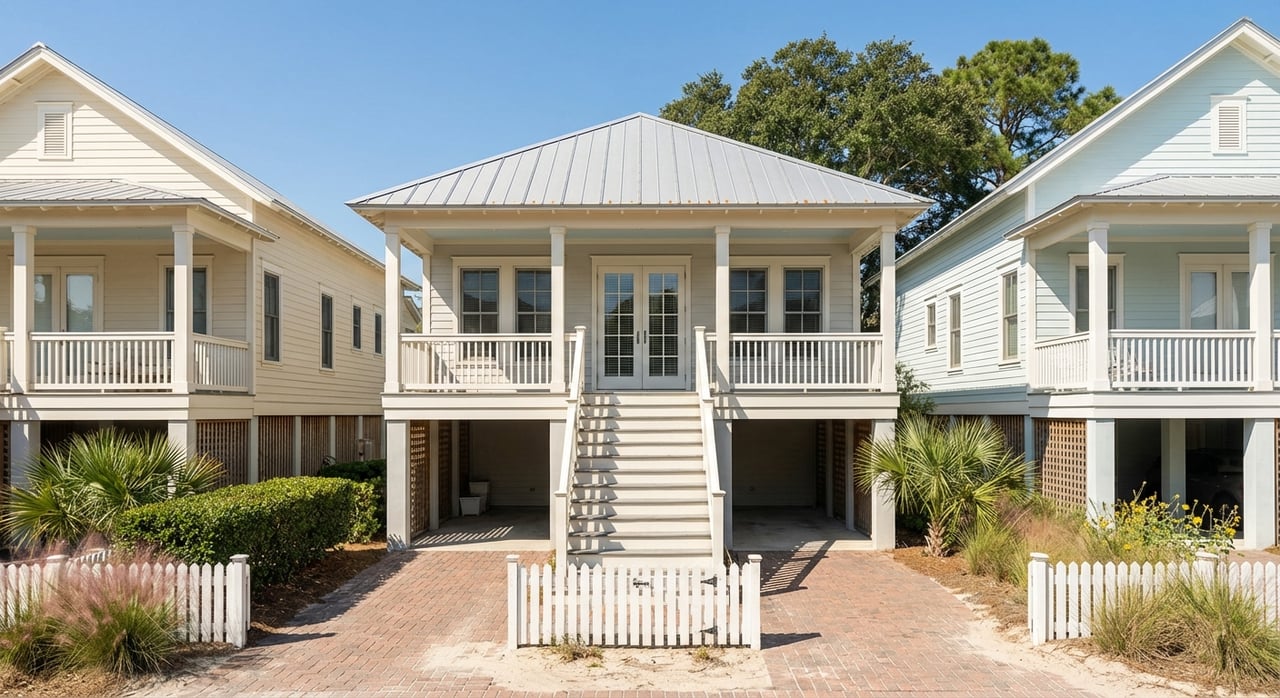
If the image of a white picket fence and a breezy front porch calls your name, Seaside likely sparked that daydream. This small 30A town was planned to make daily life easy on foot and beautiful to look at, which is why its homes feel so cohesive. In this guide, you will learn how Seaside’s design rules shape what you see outside and how you live inside, from porch-forward cottages to view-focused floor plans. Let’s dive in.
What Shapes Seaside’s Look
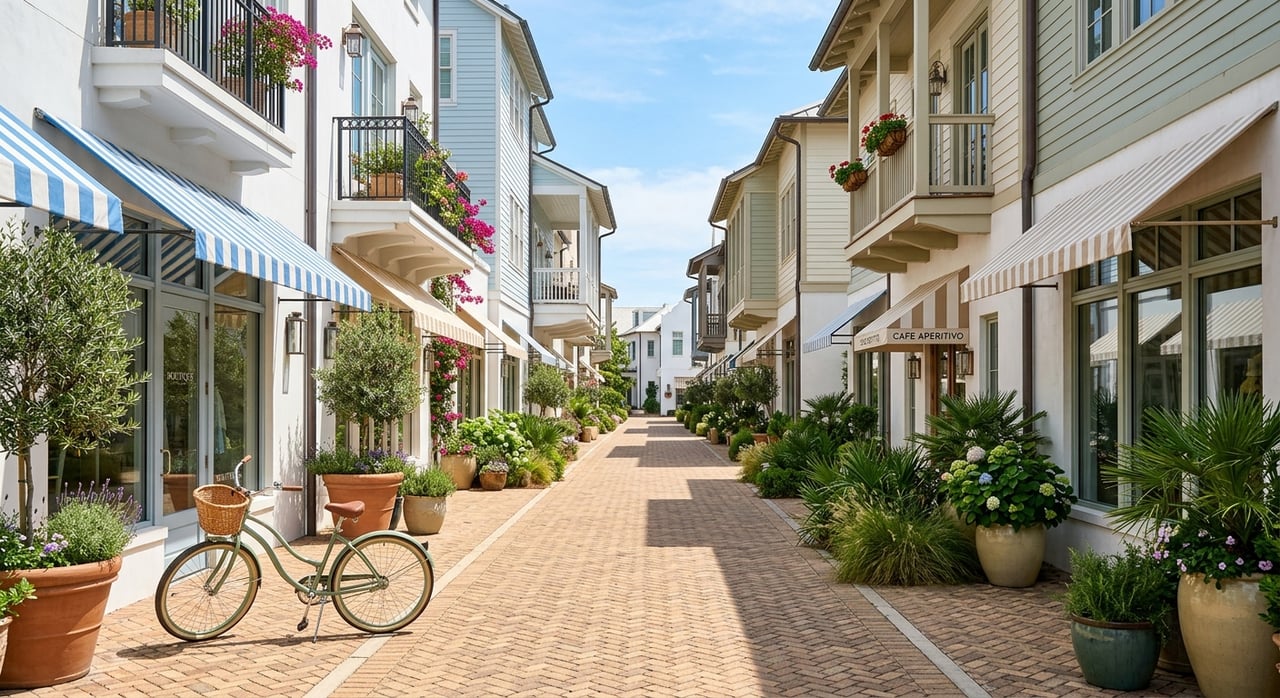
Seaside is widely recognized for its walkable town plan and human scale. The plan uses short blocks, a clear town center, and streets that favor people over cars, which keeps daily needs within a short walk and gives the town a strong sense of place. You can see this influence in the way civic buildings and small squares anchor the neighborhood fabric, not just the beachfront homes. For a deeper look at Seaside’s plan and influence, explore the town overview in SAH Archipedia and this perspective on its broader impact from the Congress for the New Urbanism (Seaside | SAH Archipedia, How a Florida beach town changed how we live).
Streetscape Rules You Can See
Porches, fences, and build-to lines
Seaside’s architecture follows a code that emphasizes where homes sit on the lot and how they meet the street. Houses face the street with porches that act like outdoor living rooms, and small front gardens with picket fences create a friendly edge between public and private space. These rules, along with material and proportion guidelines, help different architects design homes that still feel like they belong together. You can trace these ideas in the foundational text Seaside: Making a Town in America (Seaside: Making a Town in America).
Narrow streets and rear alleys
Streets are intentionally narrow to slow traffic and make walking pleasant. Many homes use rear alleys for parking and services, which keeps garage doors away from the primary facades and maintains a porch-first streetscape. This simple shift has a big effect on curb appeal and everyday safety for people on foot and bikes. You can see this strategy documented in the Harvard GSD urban design case archive (Harvard GSD Urban Design Case Study).
Signature Seaside Home Styles
Seaside’s look draws from Florida coastal vernacular, sometimes nicknamed “Florida Cracker” cues, with wood siding, simple gable roofs, and generous porches. Materials and details are kept honest and consistent, which protects the town’s recognizable character. Taken together, the effect is bright, breezy, and timeless rather than trendy (Seaside | SAH Archipedia).
Here are common exterior features you will notice:
- Front porches, often full width, and sometimes stacked on two or three levels to create shaded outdoor rooms (Seaside | SAH Archipedia).
- White picket fences and small planted front gardens that soften the street edge and encourage native plantings (Seaside: Making a Town in America).
- Tower or belvedere rooms that capture views above the dunes, frequently seen in listings as “lookout” or “observatory” spaces (example with tower features).
- Standing-seam metal roofs, traditional roof pitches, and expressed rafter tails for a crisp, coastal silhouette (Seaside | SAH Archipedia).
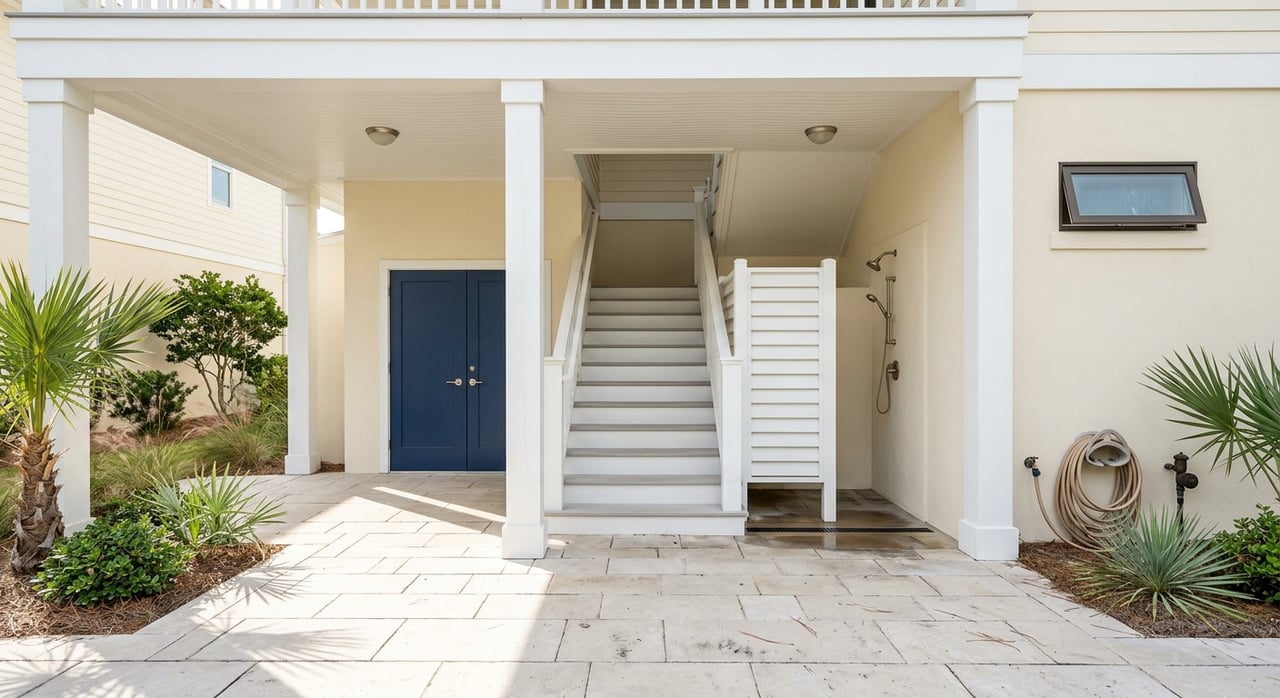
- Elevated entries and porches that respond to coastal conditions and regional building guidance (CNU best practices excerpt).
Sizes and Scales You Will Find
Seaside is not just tiny cottages. You will see original 1,000 to 2,500 square foot homes on compact lots alongside larger, carefully designed Gulf-front residences over 3,000 square feet. Over time, some lots have been redeveloped, so the town now includes both small, richly detailed homes and larger custom builds that still follow local codes. This range is noted in local housing overviews and market guides for Seaside (local Seaside housing overview).
Typical Layouts and How They Live
Upside-down plans for views
Along the Gulf, dunes can block ground-level views. Many homes flip the typical layout by placing living, dining, and kitchen on the middle or upper level while bedrooms sit below. This “upside-down” approach maximizes sightlines and creates easy access to upper porches for sunset watching. A documented example of this plan strategy appears in Architectural Digest’s look at a coastal residence (Neoclassical residence on the Florida coast).
Vertical stacking on small lots
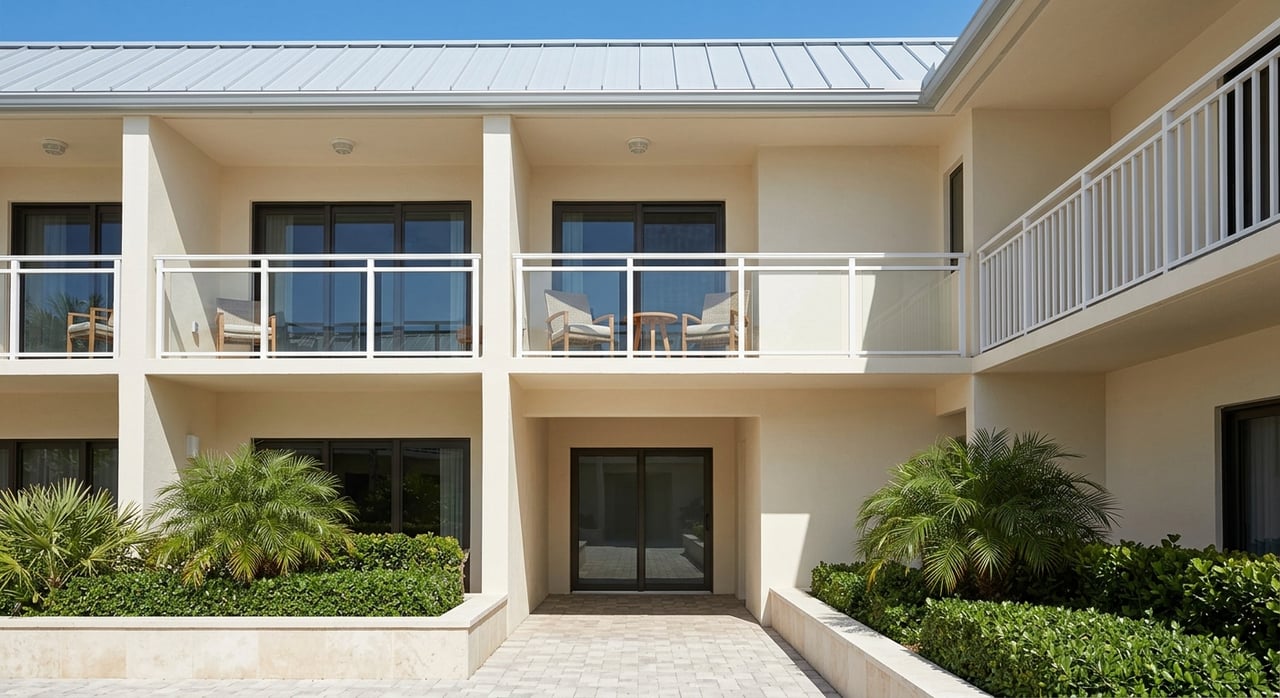
Small lots often mean narrow footprints. You will commonly find a central stair that organizes movement, with porches or balconies layered on multiple levels. The result is efficient circulation, private sleeping floors, and upper-level living spaces that feel bright and connected to the outdoors (Seaside | SAH Archipedia).
Bunk rooms and guest-friendly options
Because Seaside sits within a strong vacation-rental market, many plans include flexible sleeping spaces, bunk rooms, and ensuite guest bedrooms. You will also see small lofts or tower hideaways called out in listings as fun bonus spaces for reading, gaming, or extra sleeping when needed (example with bunk and tower spaces).
Carriage houses and rear cottages
Secondary units, such as carriage houses above garages or small guest cottages, are part of Seaside’s pattern on some lots. Placing these structures at the rear maintains a tidy front streetscape while adding space for guests, multi-generational stays, or rental income potential. The town’s original design material supports this rear-first service approach and careful lot organization (Seaside: Making a Town in America).
Indoor-outdoor flow you will feel
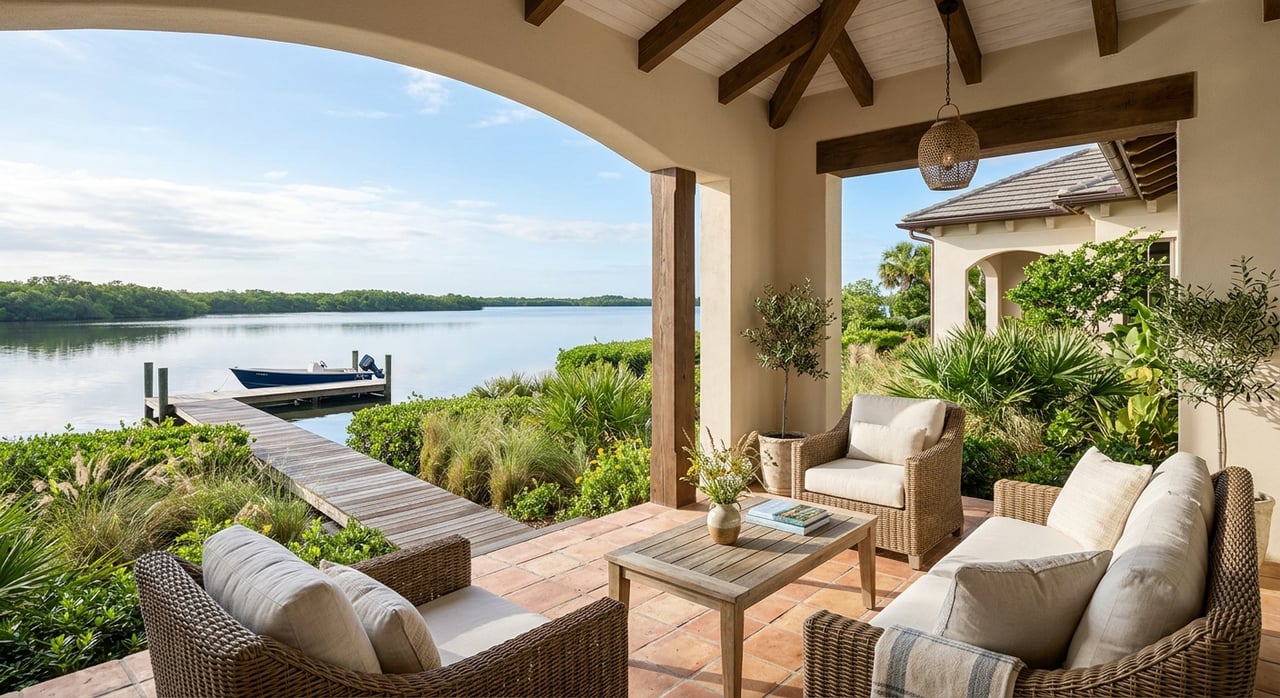
Large French doors, covered porches designed as real rooms, and shaded balconies make indoor-outdoor living natural. Kitchens often open directly to these semi-outdoor spaces, so meals can move outside when the breeze is right. Architectural Digest highlights how these design moves turn porches into everyday extensions of living areas on the coast (Neoclassical residence on the Florida coast).
Lifestyle Takeaways for Buyers
Porch life, season by season
Porches are the social heart of a Seaside street, but the Florida climate shapes when you use them most. Expect mornings and evenings, plus cooler months, to be peak porch time. During warmer afternoons, deeper porches and fans help extend comfort, so look for shade, orientation, and ceiling fans when you tour homes (Seaside | SAH Archipedia).
Everyday walkability is real
One of Seaside’s greatest perks is that you can handle daily needs on foot. Shops, a post office, food, and the amphitheater are all set within short, pleasant walks. This convenience has been cited as a model for other communities and remains a signature lifestyle benefit here (How a Florida beach town changed how we live).
Design review and maintenance
Seaside’s cohesion comes from its code and an architectural review process. That consistency protects long-term character and value, yet it also means renovations or new construction must meet material and detail standards. Plan for thoughtful design, potential approvals, and sometimes higher build or repair costs to match required specifications (Seaside: Making a Town in America).
Elevation, resilience, and insurance
Along the Gulf, elevation and storm readiness are part of smart ownership. Many homes raise first living levels to meet regional guidance and improve resilience. Before you buy, review current flood and building requirements with local experts and factor elevation, materials, and insurance into your total cost plan (CNU best practices excerpt).
Quick Buyer Checklist
- Prioritize porches you will actually use: depth, orientation, shade, and fans.
- Decide your layout style: traditional bedroom-up or view-first upside-down living.
- Look for flexible sleeping: bunk rooms, ensuite guests, or tower nooks.
- Note rear access: alleys, garage placement, and any carriage house potential.
- Ask about code compliance: recent approvals, materials used, and maintenance expectations.
- Include elevation and insurance in your budget review.
If Seaside’s porch-and-picket charm is your vision, we can help you find the right fit and run the numbers with confidence. For a tailored search, private previews, and clear financing guidance, connect with the Justin Myers Real Estate Team.
FAQs
What is New Urbanism in Seaside?
- Seaside organizes short blocks, civic spaces, and people-first streets to create a compact, walkable town that keeps daily needs within a short walk.
What exterior features define Seaside homes?
- Expect front porches, picket fences, metal roofs, tower rooms for views, and elevated entries that suit the coastal climate.
How do upside-down floor plans work here?
- Many homes place living, dining, and kitchen on upper levels to capture Gulf views, while bedrooms sit below for privacy and efficient footprints.
Are carriage houses or secondary units common?
- Some lots include rear cottages or carriage houses above garages, which add guest space and potential rental flexibility while keeping streetscapes tidy.
How walkable is Seaside for errands and dining?
- Very; the plan clusters shops, food, a post office, and community spaces so you can reach them in minutes on foot or by bike.
What should I know about maintenance and approvals?
- Seaside’s design code protects architectural consistency, so renovations and new builds require approvals and compliant materials, which can affect costs.