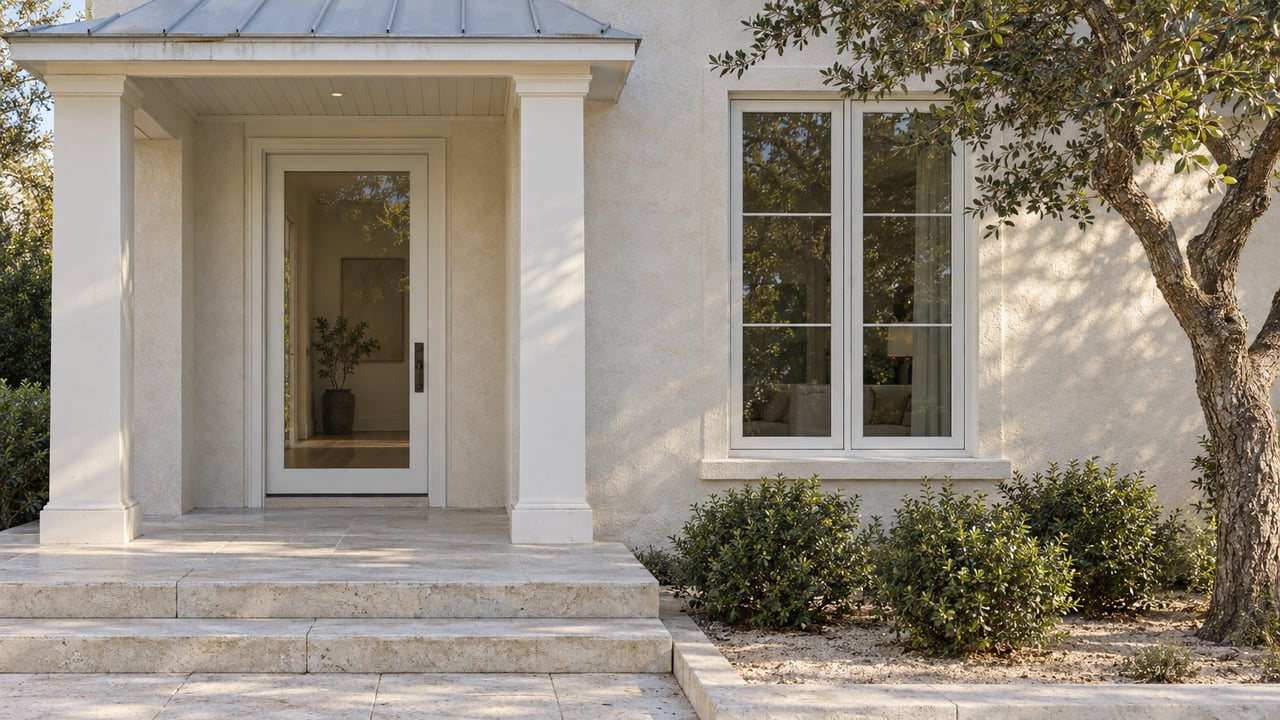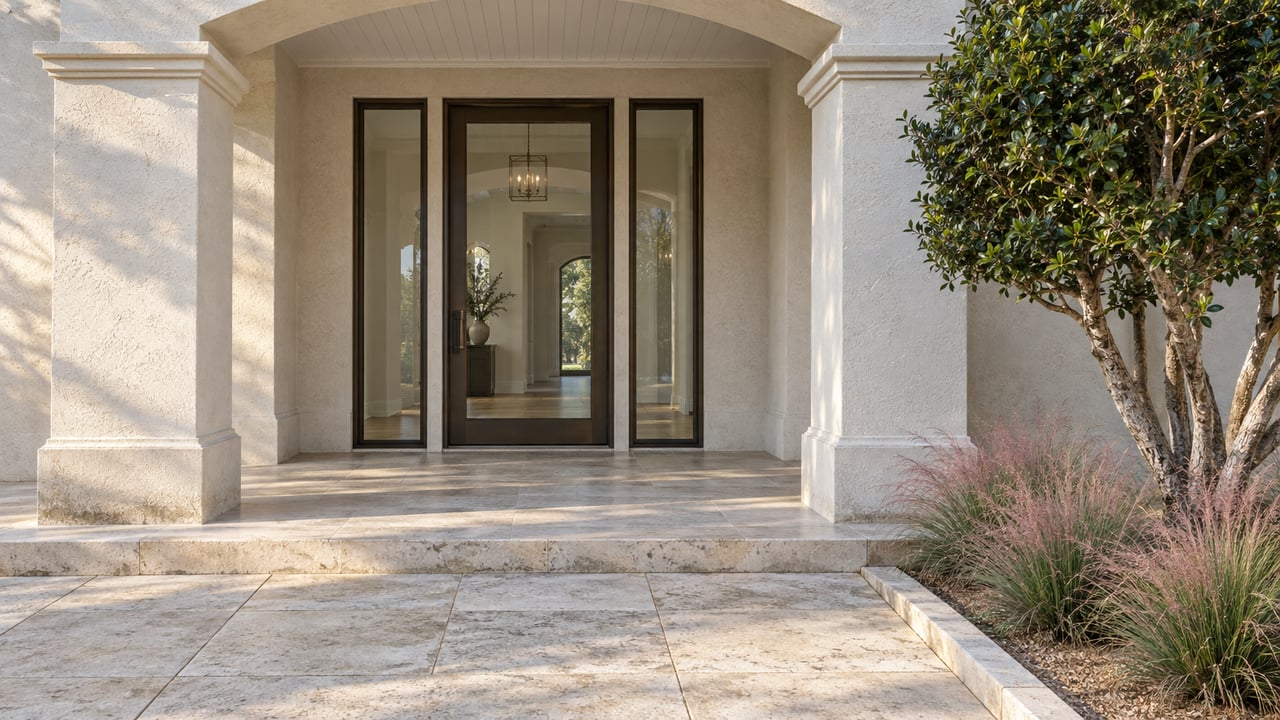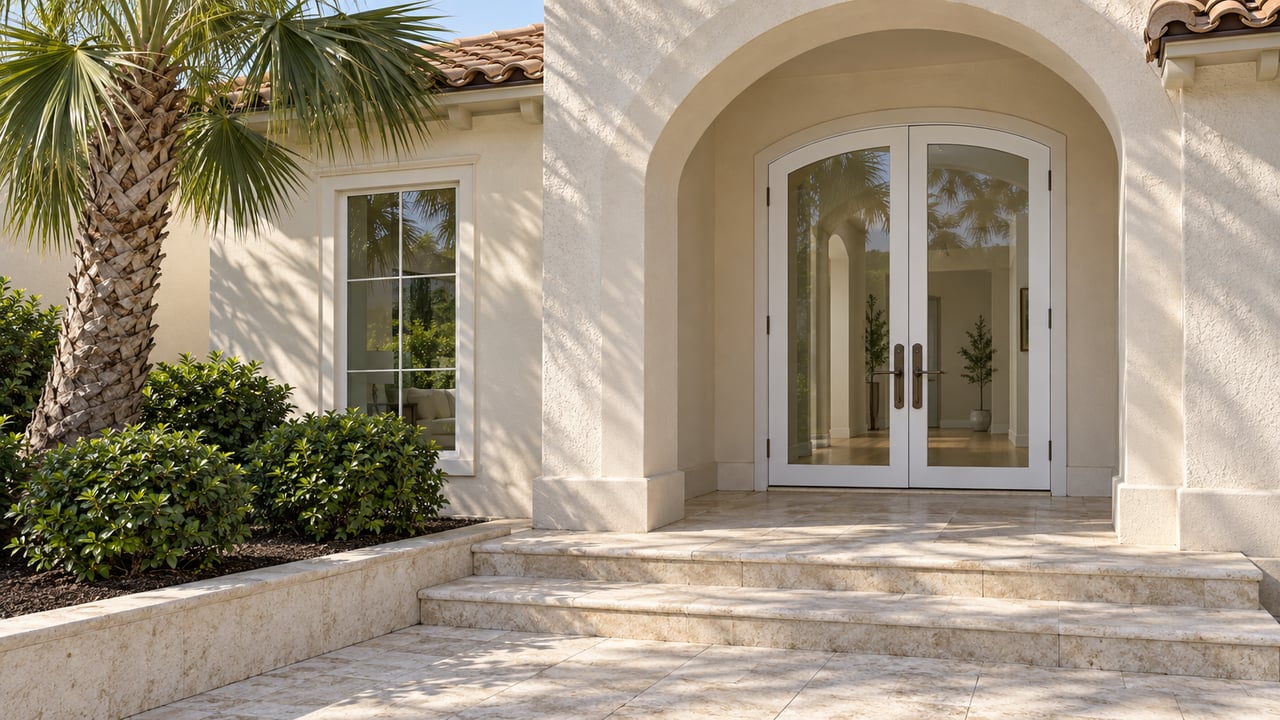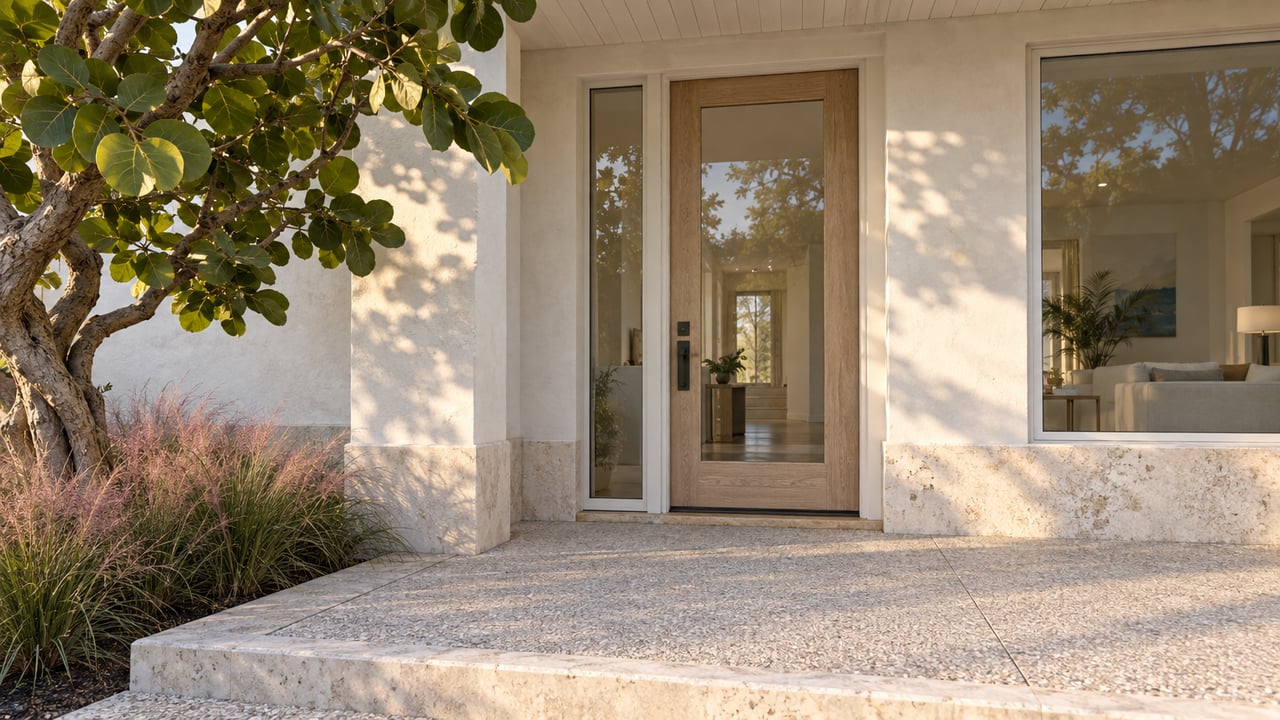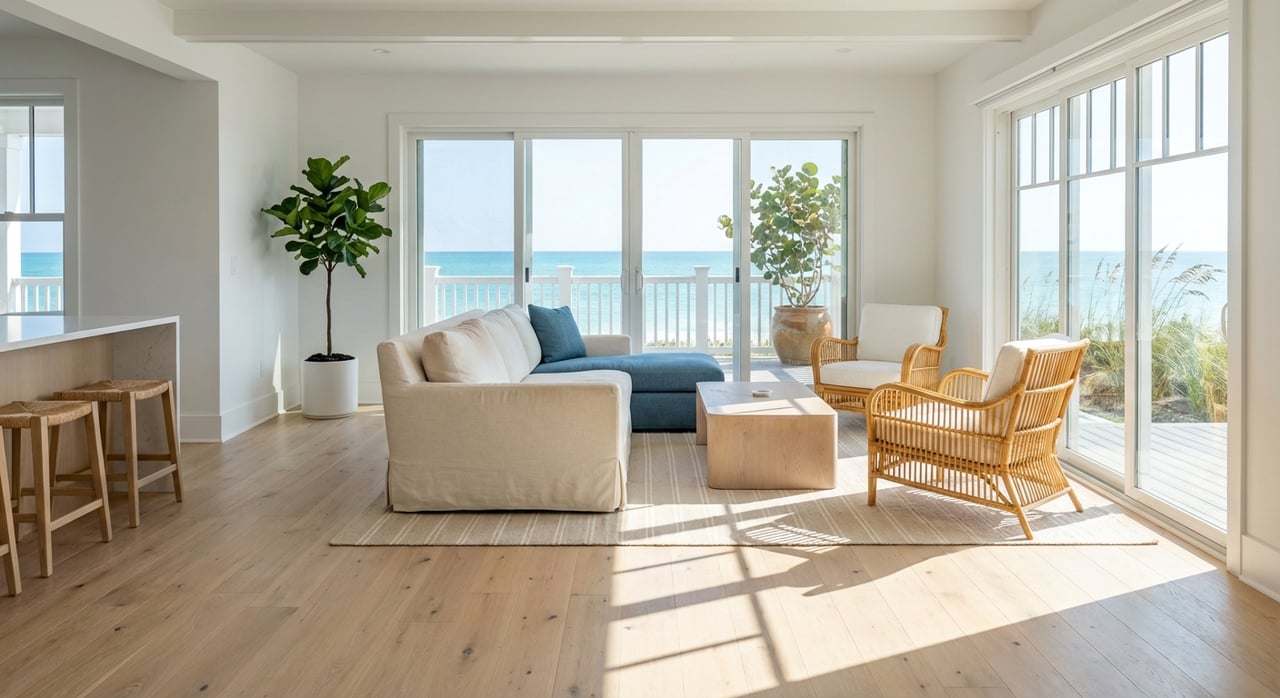
Picture your morning coffee on a wide front porch, the Gulf just a short stroll away. If you’re exploring a second home in Seaside on Scenic 30A, you want the lifestyle and a plan that keeps your finances and compliance buttoned up. In this guide, you’ll learn how to decide between personal use and renting, how financing really works for second homes, and what local rules, taxes, and insurance to expect. Let’s dive in.
Why Seaside works for second homes
Seaside is a beloved beach town with high demand and a walkable, porch-and-picket-fence vibe. Many owners blend personal vacations with part-time renting. Local listings show an active vacation-rental market, including homes in Seaside itself, which signals strong guest interest and robust management options you can tap into. You just need to plan your usage, financing, and compliance steps from day one.
Plan your use: personal vs. rental
How you use the home drives everything from financing to taxes.
- Lender view. To qualify for a second-home mortgage, you generally must occupy the property part of the year, keep control over who stays there, and avoid arrangements that make it operate like a hotel. If you intend to rent it primarily as a business, lenders often treat it as an investment property with stricter terms. Review the occupancy criteria in the Fannie Mae Selling Guide.
- IRS view. If you rent the home for fewer than 15 days in a year, rental income is not reported and the home is treated as personal use. Rent it 15 or more days and you must report rental income and allocate expenses between rental and personal use. The details, including the 14/15-day and 10% thresholds, are in IRS Publication 527. A quick consult with a CPA before you list the home can save you headaches.
- Local reality. Seaside and nearby 30A neighborhoods regularly host short-term rentals, with local firms marketing cottages and bungalows to visitors. As one example, check an active Seaside rental listing to see how properties are marketed and booked through local managers. A good starting point is this Seaside rental example.
Finance your Seaside second home
Second-home financing is different from a primary residence, and jumbo loans are common on 30A.
- Common paths. Buyers often use a conventional second-home mortgage, a jumbo or portfolio loan, home equity from a primary residence, or cash. Government loans like VA and FHA usually require primary occupancy, so they are not typical for vacation homes.
- Down payment and reserves. Many lenders expect 10–20% down on conforming second-home loans, while jumbo or portfolio options may require 20–30% or more. You may also need several months of PITI in cash reserves. See typical ranges in this overview from The Mortgage Reports.
- Rates and pricing. Expect tighter credit standards and pricing adjustments for second homes. Lenders may apply loan-level price adjustments based on your credit, loan size, and occupancy. Learn what affects pricing in this LLPA explainer.
- Rental plans matter. If your intention is primarily to rent it out, the loan may be underwritten as an investment property with higher rates and larger down payment. Clarify your plan with your lender up front.
Know Walton County rental rules and taxes
If you plan to rent your Seaside home, you must comply with Walton County’s program and tax rules before you advertise or host guests.
- Registration required. Walton County requires annual short-term vacation-rental registration and certification prior to advertising or renting. Owners must designate a Local Responsible Party available 24/7 and comply with inspection and operational standards. Start with the county’s Vacation Rental Registration Program.
- Operational requirements. County materials outline what needs to go in your lease and what must be posted onsite, such as maximum occupancy, noise notice, trash rules, and evacuation information. Review the county’s FAQs for specifics and enforcement details.
- Taxes to collect and remit. For rentals south of Choctawhatchee Bay, Seaside falls under the South Walton Tourist Development Tax district. Owners must collect and remit Florida state sales tax, any local surtax, and the local tourist development tax. Confirm district rates and remittance steps with the Walton Clerk’s Tourist Development Tax page. Some platforms may remit certain taxes, but you remain responsible for full compliance.
Review Seaside HOA and design rules
Seaside is a planned, deed-restricted community. Rules vary by street and sub-association, so review documents early.
- What to look for. Ask for the full set of covenants, conditions, and restrictions; bylaws; and the resale packet. These documents may include rental caps, minimum stay lengths, parking diagrams, fines, and noise policies.
- Design controls. Expect architectural review and rules governing exterior changes, colors, porches, and materials. Planning any updates or additions will require approvals.
- Budget detail. Confirm HOA fees, what they cover, and whether any special assessments are planned. Minutes can reveal upcoming projects.
Understand coastal risk and insurance
Beach living comes with unique risk and insurance considerations. Plan these into your budget and timeline.
- Flood zones and elevation. Use FEMA’s Flood Map Service Center to check a property’s flood zone and base flood elevation. Homes in Special Flood Hazard Areas, such as AE or VE zones, often require flood insurance and can have higher premiums. Review the property’s flood profile with the FEMA Map Service Center and ask for an elevation certificate if available.
- Florida insurance market. Premiums can be higher for coastal second homes. Some properties insure with private carriers or surplus lines; Citizens Property Insurance is an insurer of last resort when private options are not available. Shop multiple carriers, ask about wind-only and hurricane deductibles, and document wind-mitigation features to improve pricing. Learn the landscape in this Florida Citizens overview.
Plan for maintenance and management
Coastal homes need proactive care, and out-of-area owners benefit from trusted local help.
- Routine upkeep. Plan for frequent exterior paint or coating checks, roof inspections after storms, HVAC servicing, pest control, and moisture prevention. Salt air and wind accelerate wear.
- Property management. If you rent, you will need a 24/7 Local Responsible Party per county rules. Even if you do not rent, a local caretaker can coordinate vendors, storm prep, and post-storm checks.
Seaside second-home due-diligence checklist
Use this fast checklist to move from browsing to confident ownership.
- Ask for the full HOA/CCR/resale packet, plus recent meeting minutes, to confirm rental rules, design controls, and any assessments.
- Confirm flood zone and base flood elevation. Download a FIRMette from the FEMA Map Service Center and request any elevation certificates or LOMA/LOMR history. Get a flood quote early.
- Review Walton County’s Vacation Rental Registration Program for fees, timelines, inspections, and the Local Responsible Party requirement. Do this before you advertise.
- Verify the correct tax district and rates on the Walton Clerk’s Tourist Development Tax page. Plan for state sales tax, local surtax, and TDT remittance.
- Collect multiple insurance quotes for homeowners, wind or hurricane coverage, and flood. If you plan to rent, ask about short-term rental or landlord endorsements. Document wind-mitigation credits.
- Speak with lenders experienced in second homes on 30A. Clarify second-home versus investment classification, down payment ranges, and reserve requirements. Use resources like The Mortgage Reports to prep.
- If renting, review county operational rules and lease content requirements in the county FAQs. Decide whether to self-manage or hire a professional manager.
- Talk with a Florida CPA and a real estate attorney about IRS rules and local taxes. Start with IRS Publication 527 to frame your planning.
Ready to take the next step? With finance-first guidance and boots-on-the-ground 30A expertise, the Justin Myers Real Estate Team can help you compare properties, line up lending and insurance, and navigate Walton County rules so you close with confidence.
FAQs
What counts as a second home for lenders in Seaside?
- Lenders generally require you to occupy the property part of the year and maintain control over occupancy; homes run primarily as rentals are often treated as investments per the Fannie Mae guide.
How do IRS rules impact renting a Seaside vacation home?
- If you rent fewer than 15 days a year, income is not reported; rent 15 or more days and you must report income and allocate expenses under IRS Publication 527.
Do I need a Walton County license to Airbnb in Seaside?
- Yes, you must register and certify the property before advertising or renting, and designate a 24/7 Local Responsible Party per the county’s rental program.
What taxes apply to short-term rentals in Seaside?
- You must collect and remit Florida sales tax, any local surtax, and the South Walton Tourist Development Tax; confirm details with the Walton Clerk’s TDT page.
How can flood zones affect insurance on Seaside homes?
- Homes in FEMA Special Flood Hazard Areas often require flood insurance and may have higher premiums; check your parcel on the FEMA Map Service Center.
What down payment is typical for a Seaside second home?
- Many conforming second-home loans expect 10–20% down, while jumbo or portfolio loans often require 20–30% or more, with extra reserves common per The Mortgage Reports.