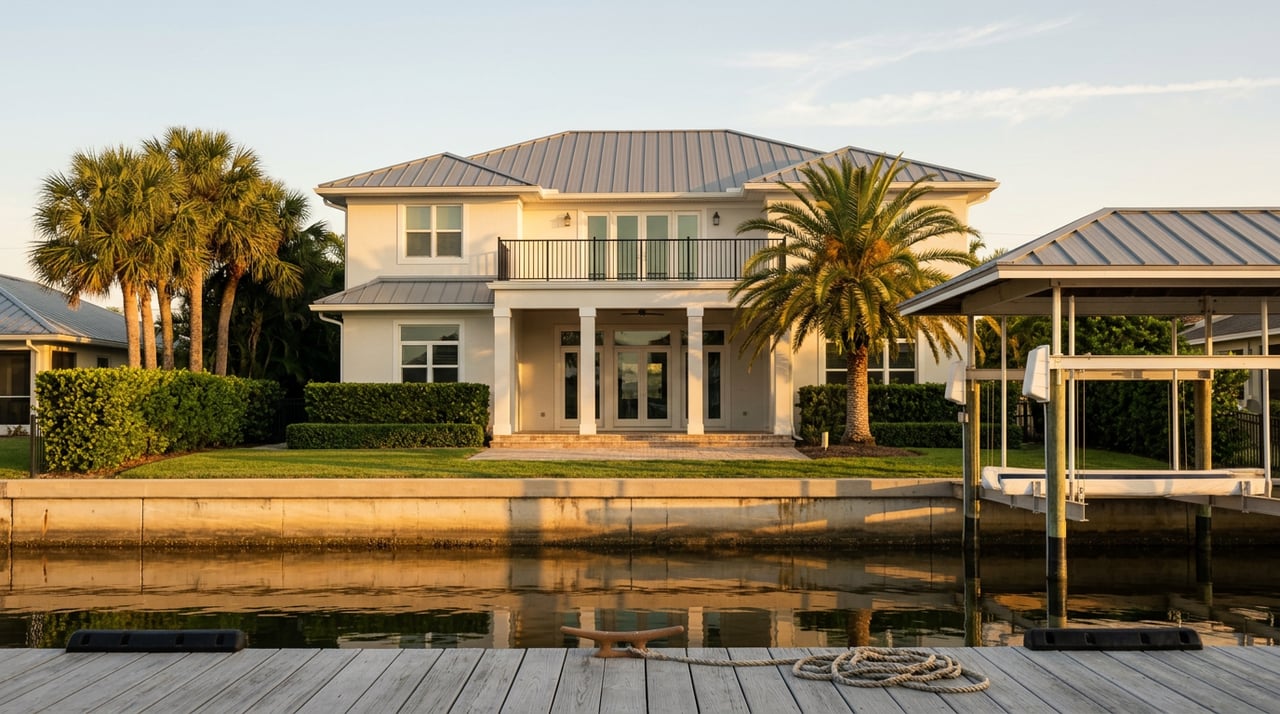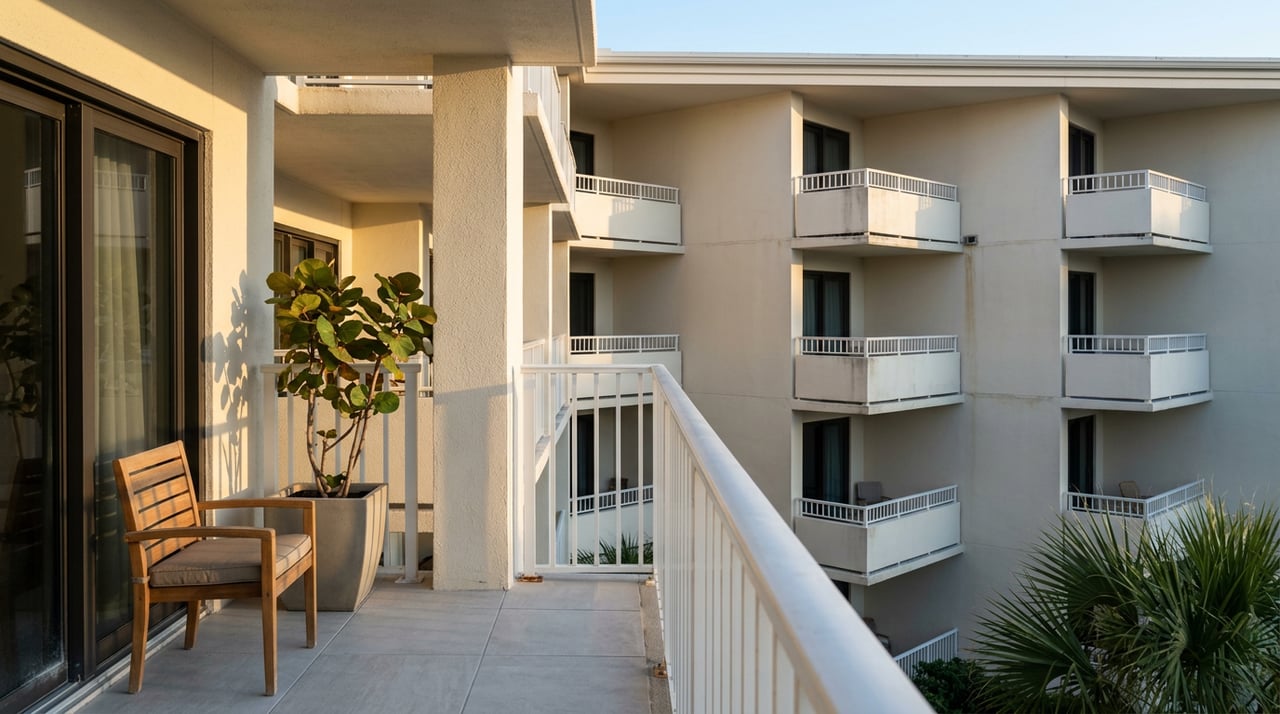
Picture two one-bedroom units in Miramar Beach, both listed at $425,000, both facing the Gulf, both built in the same decade. The price per square foot is nearly identical. The HOA dues on the listing sheet are within $40 of each other. On paper, they're the same purchase.
They are not the same purchase. One building has a fully funded reserve account and a clean Structural Integrity Reserve Study on file. The other has been quietly underfunding its reserves for a decade, and as of this year, Florida law no longer lets the board hide that gap behind a low monthly fee. The difference between those two units is not in the listing. It's in a document almost nobody asks to see before they write an offer.
That document is now the single most important piece of paper in a Miramar Beach condo transaction, and 2026 is the year it stopped being optional.
The Law That Changed What Sellers Have to Show You
After the Champlain Towers South collapse in Surfside, Florida passed Senate Bill 4-D in 2022, later refined by Senate Bill 154. The law created two requirements for condo and co-op buildings three or more habitable stories tall: a milestone structural inspection, performed by a licensed engineer or architect, and a Structural Integrity Reserve Study, or SIRS, which prices out exactly what it will cost to maintain the building's bones.
According to the Florida DBPR's Division of Condominiums, associations that existed on or before July 1, 2022, and are controlled by unit owners, were required to complete their first SIRS by December 31, 2025. If a building's milestone inspection isn't due until later, the SIRS can be completed alongside it, but no later than December 31, 2026. That means the vast majority of Miramar Beach's condo stock has either already produced this document or is required to produce it within the next several months.
The SIRS itself has to price out eight specific components: the roof, load-bearing walls and other primary structural members, fire protection systems, plumbing, electrical, waterproofing, windows and exterior doors, and any other structural item likely to cost more than a set dollar threshold to repair. That threshold started at $10,000 when the law passed and is adjusted upward each year for inflation, which is why more recent guidance from the DBPR puts the current figure closer to $25,000.
Here's the part that actually changes buyer behavior. Boards used to be able to vote to waive or underfund these reserves, keeping monthly dues artificially low. Under the current rules, if a building's budget was adopted on or after January 1, 2025, that waiver option is gone entirely. If the budget was adopted before that date, the board could vote once to waive or reduce SIRS reserves, but full funding according to the study's schedule was required to begin January 1, 2026. Either way, by the time you're touring a unit today, the math is no longer optional. The reserve account either matches the study's recommendation or it doesn't, and that gap shows up somewhere: in dues, in an assessment, or in a building that quietly can't get financed.
Why This Hits Differently in a Coastal Building
Milestone inspections are triggered by age, and the trigger is faster near the coast. Buildings within three miles of the water face their first inspection at 25 years instead of the standard 30. Salt air corrodes railings, HVAC equipment, and structural steel faster than inland exposure does, which is exactly why the accelerated timeline exists.
Miramar Beach's condo stock, from the resort-style buildings inside Sandestin to the standalone Gulf-front towers along Scenic Gulf Drive, spans several decades of construction. Any building in that mix old enough to sit inside the 25-year coastal window is now facing the milestone inspection and SIRS requirement for the first time, which means this isn't a theoretical conversation here. It's the one happening in board meetings right now.
Some associations get ahead of it, funding reserves years before a study forces the issue and paying for capital projects, like window or railing replacements, out of money that was already set aside. That's the version of this story worth buying into. The other version, where deferred maintenance meets a legally mandated reserve study for the first time, is the one that produces the headline-grabbing assessments.
What "Percent Funded" Actually Tells You
Every SIRS produces a number that matters more than anything else in the report: the percentage of the required reserve that the association has actually saved. A study that comes back above roughly 70 percent funded signals a board that's been doing its job. Somewhere in the 30 to 70 percent range, expect measured dues increases as the association catches up. Below 30 percent, a special assessment isn't a risk, it's close to a certainty.
The dollar amounts at stake are not abstract. At The Cricket Club in North Miami, deferred maintenance surfaced by a mandated inspection led to special assessments as high as $134,000 per unit. At Mediterranean Village in Aventura, some owners were assessed up to $400,000, according to reporting compiled by Building Mavens, a Florida engineering firm that performs these inspections. Those are South Florida buildings, not Emerald Coast towers, and no Miramar Beach association has been named in a comparable assessment. But the mechanism that produced those numbers, years of underfunded reserves meeting a legally mandated study, is the exact mechanism now running through every coastal condo in the state, including here.
This is the piece that should change how you shop. A building's dues tell you what the association is spending today. The SIRS percent-funded figure tells you what it's actually prepared to spend tomorrow. Only one of those numbers is on the listing sheet.
The County Line Nobody Mentions on the Tour
Most buyers think of Miramar Beach as part of Destin. It isn't, at least not on paper. Destin proper sits in Okaloosa County and follows the City of Destin's short-term rental program. Miramar Beach is unincorporated Walton County, which runs its own vacation rental certificate program at $300 per year, separate registration requirements, and its own tourist development tax rate.
The distinction matters for more than paperwork. If you're comparing a condo in Miramar Beach against one across the county line in Destin, you're comparing two different regulatory environments, two different tax structures, and in some cases two different enforcement bodies for the same kind of building violation. A milestone inspection deadline enforced by Okaloosa County's building department and one enforced by Walton County's don't necessarily move at the same pace, and a buyer who assumes uniform rules across the two markets can miss a requirement that only applies on one side of the line.
The Documents to Request Before You Write an Offer
Florida law entitles a buyer under contract to a specific set of association records at the seller's expense. Ask for these before you're locked into a timeline that doesn't leave room to review them properly.
- The most recent Structural Integrity Reserve Study, including the percent-funded figure, or a written statement that none has been completed.
- The milestone inspection summary, and the full Phase 2 report if the building's Phase 1 inspection found substantial structural deterioration.
- Board and membership meeting minutes for the past 12 months, which often flag a pending assessment before it's formally levied.
- The master insurance declaration page, including wind, hurricane, and flood deductibles, since inadequate coverage is one of the most common reasons a building lands on a lender's ineligible list.
- A written history of special assessments, including how each one was funded and whether payments are still being collected.
If a building can't produce a current SIRS at all, or if the meeting minutes reference a "pending engineering review" or "funding source to be determined," those are the phrases worth a second conversation before you go further.
Comparing Buildings by Price Per Square Foot Isn't Enough Anymore
Miramar Beach and the adjacent Sandestin resort area hold an unusually wide range of condo product inside a tight geography, from beachfront towers like Silver Shells, Majestic Sun, and Hidden Dunes to resort-style buildings such as Grand Sandestin and One Beach Club. A buyer shopping by price per square foot alone can find two units that look financially identical and are anything but, because one association has been funding its reserves on schedule and the other has been hoping the state wouldn't actually enforce the deadline.
The state did enforce it. That's the shift this year represents. Price per square foot used to be a reasonable shorthand for comparing condos in this market. In 2026, it's an incomplete one, and the missing variable is sitting in a document you have to ask for by name.
A Few Questions Worth Settling Before You Tour
Does any of this apply to single-family homes in Miramar Beach? No. SIRS and milestone inspection requirements apply specifically to condominium and cooperative buildings three or more habitable stories tall under Florida's Condominium Act. A single-family home's HOA operates under different statutes entirely.
What if the listing agent says the building "already handled" its SIRS? Ask for the report itself, not a summary. The percent-funded figure and the specific components it covers matter more than a verbal assurance that the box got checked.
Can a special assessment passed before I close become my responsibility? Usually not, but the contract language controls. Most Florida condo purchase agreements assign an assessment levied before the contract date to the seller and one levied after to the buyer. Read the assessment-allocation clause before you sign anything.
If you're weighing a Gulf-front condo against a single-family alternative, or trying to figure out which Miramar Beach building actually matches your budget once the real numbers are on the table, that's the kind of financing-and-fine-print work the Justin Myers Team does before you ever make an offer. Find Your Emerald Coast Home starts with knowing what you're actually buying.