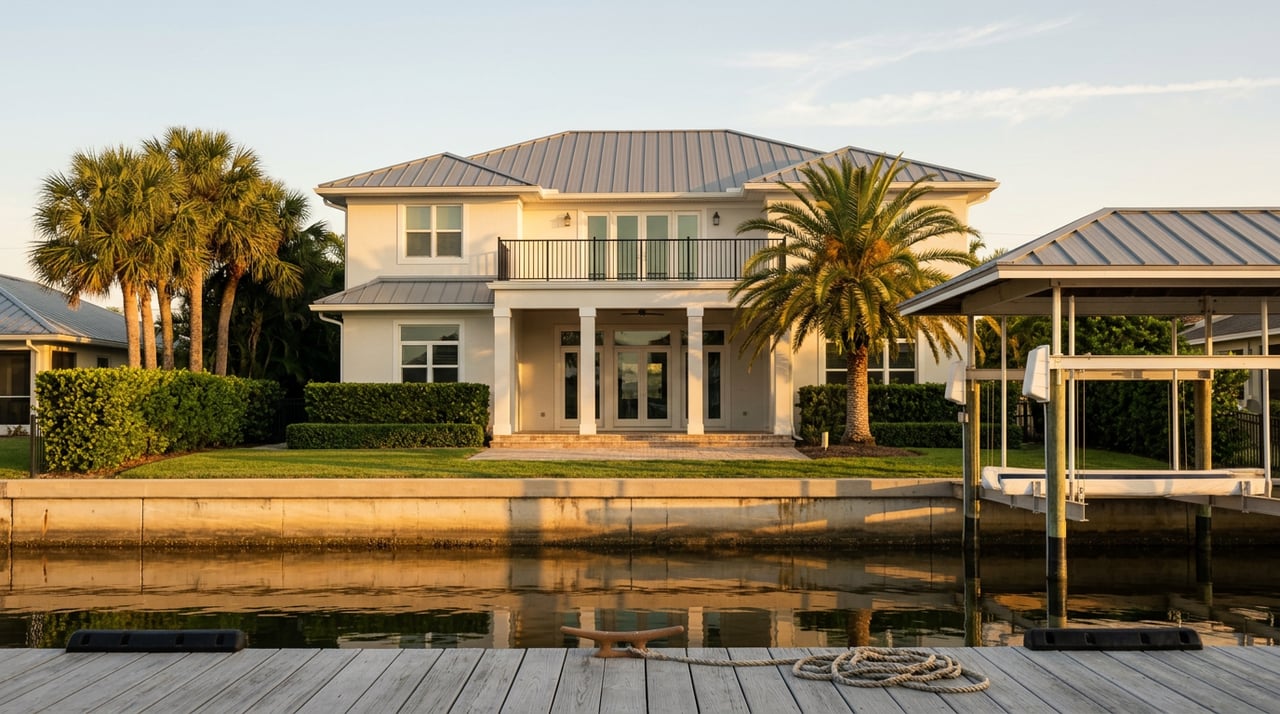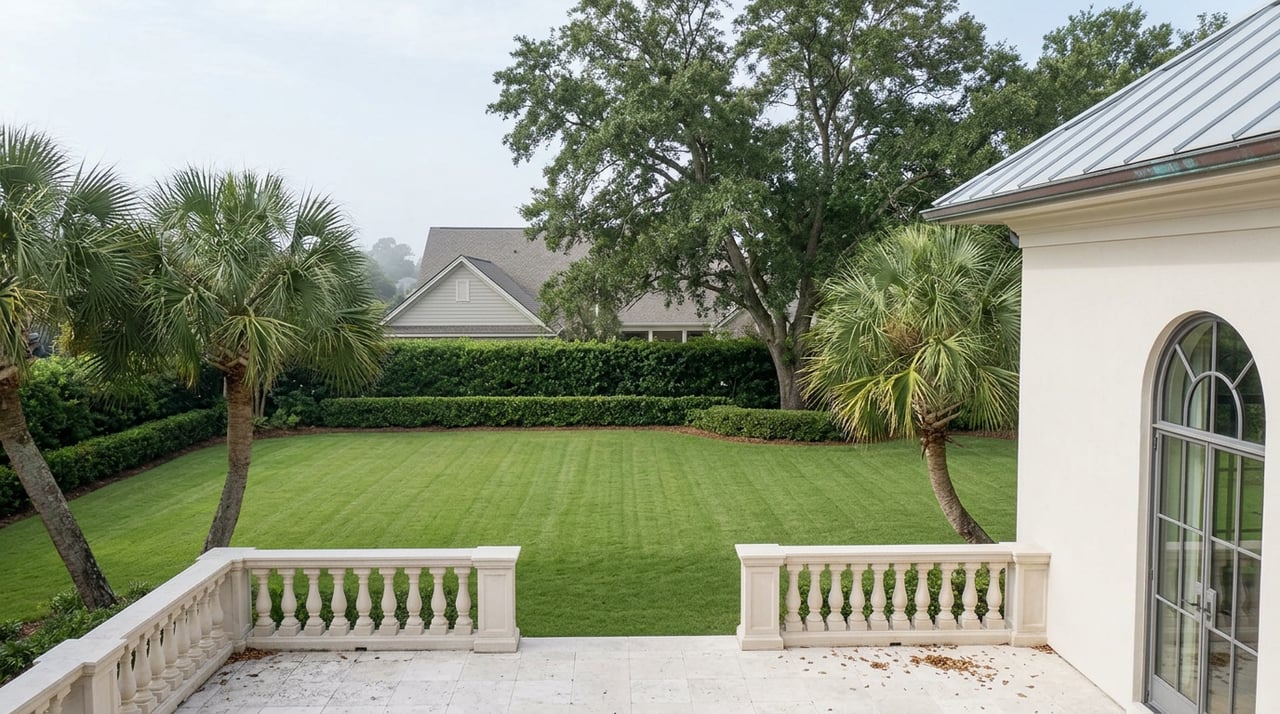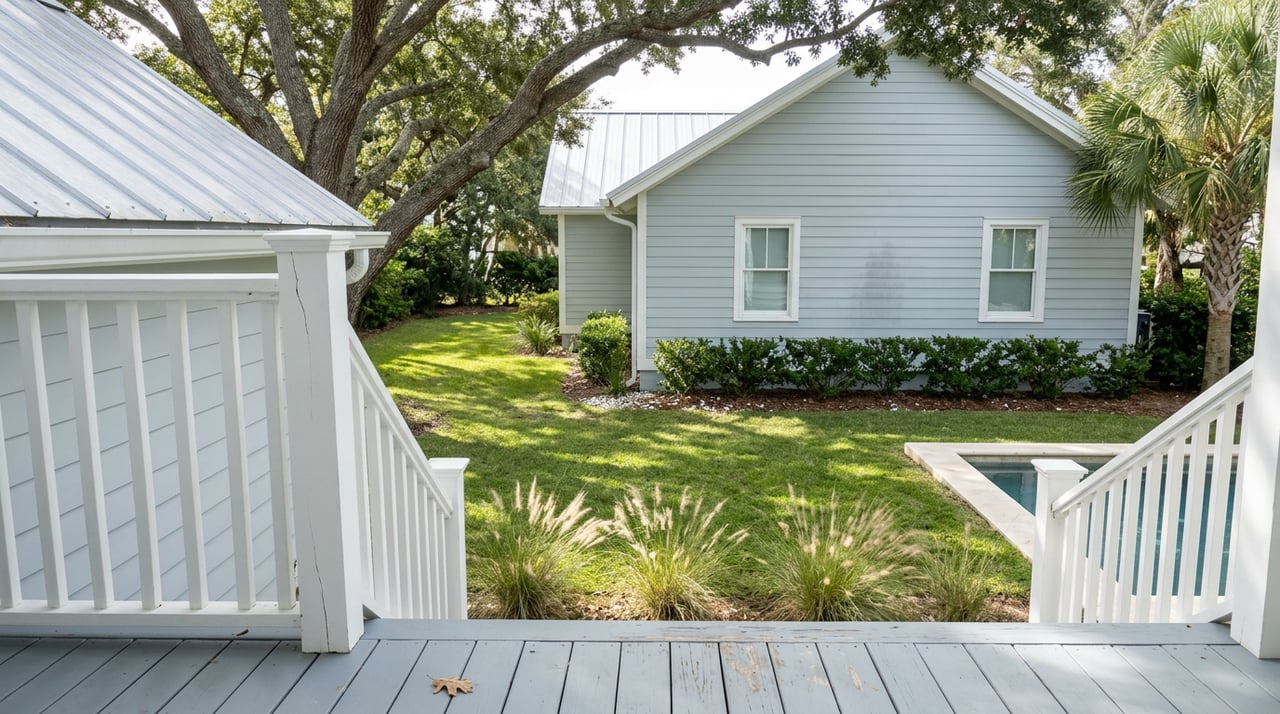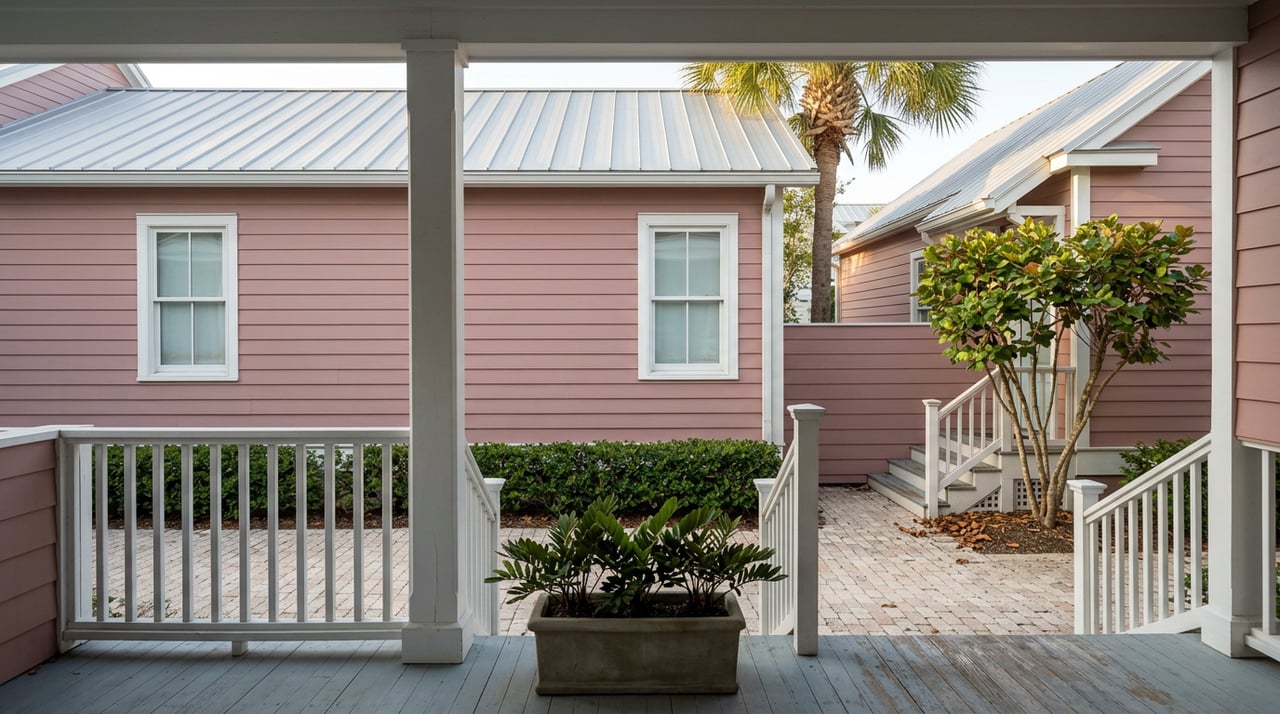
Your inspector climbs onto the roof, checks under the house, runs water through every fixture, and hands you a report that says the cottage is sound. In most of Florida, that report is the last real hurdle before closing. In Seaside, it might not be the one that matters most.
The record that actually determines what you can and cannot do to this house doesn't live in the inspection folder. It lives with the Seaside Architectural Review Committee, known locally as SARC, and it can tell you something no inspector ever will: whether the home's last renovation was ever fully closed out, or whether it's still sitting open with the town.
The Committee That Doesn't Show Up on the Listing Sheet
Seaside was master-planned in 1981 by Andrés Duany and Elizabeth Plater-Zyberk on 80 acres of Gulf-front land, and it became the first built example of New Urbanism at scale. The pastel facades, the porches, the matching rooflines that make the town photograph so well are not a stylistic accident. They are the output of a design code that SARC enforces on nearly every visible surface of a home, including roofs, porches, windows, doors, exterior colors, lighting, sitework, and landscaping.
SARC's meeting minutes are public, and they read like a working log rather than a formality. A single March 2024 session, for example, moved through several live cases at once: a property on East County Highway 30A cleared for final approval with its county letter in hand, a home on Savannah Street approved the same way, and a renovation on Seaside Avenue where the shutters the builder presented didn't match what had been approved, resulting in a one-time conditional sign-off rather than a final one.
That distinction between conditional and final is the whole point. A conditional approval means the work can proceed, but the file stays open until someone corrects the outstanding item and SARC signs off again. If that correction never happens, and the house sells before anyone circles back, the open file transfers with the property.
Three Signatures, Not One
Most buyers assume a renovated home has cleared one gate. In Seaside, it has usually cleared three, and they don't automatically talk to each other.
- SARC reviews design, materials, and appearance against the town's architectural code.
- Walton County's Building Division handles the actual construction permit and plan review, currently under the 2023 Florida Building Code, which applies to any project submitted after December 31, 2023.
- Florida's Department of Environmental Protection enters the picture for anything seaward of the Coastal Construction Control Line. A county permit will not issue without proper DEP notice or an exemption determination on those parcels.
Major habitable buildings inside the coastal building zone also need sealed plans from a licensed Florida architect or engineer, and some projects, including additions and pools near existing structures, carry pile support and elevation requirements on top of everything else. None of this is unusual for Florida's coast in isolation. What's unusual is stacking all three layers on top of a design committee that meets on its own schedule and can revisit a decision it already made.
The Pool Rule That Surprises Everyone
Here's a restriction that catches buyers coming from conventional HOA neighborhoods off guard: in Seaside, an in-ground pool is only allowed within the footprint of the main house. Pools, hot tubs, and spas are prohibited along street frontages entirely.
In most coastal subdivisions, a pool is a straightforward add-on, limited mainly by setback lines and a permit fee. In Seaside, it's a design question first and a construction question second, and the answer can be no regardless of lot size or budget.
A final SARC approval and a conditional one look identical in a listing photo. They are not identical in a title search.
What "Approval History" Should Actually Mean to You
If you're seriously considering a Seaside cottage, treat the property's approval history as its own category of due diligence, separate from the inspection. Before you're deep into a contract, ask the seller or listing agent for:
- Confirmation of whether prior exterior work received final SARC approval, or only conditional or field approval
- Any open conditions still attached to a past renovation
- The county permit closeout letter referenced in SARC's own records for that address
- Whether the property sits seaward of the Coastal Construction Control Line, which would layer DEP review onto any future work
The code itself gets specific enough that even small choices carry rules. Exterior lighting, for instance, is capped at 450 lumens per fixture with a total of 3,375 lumens allowed per lot, and the light spectrum has to read as incandescent or its equivalent. That level of detail is a signal, not a curiosity. It tells you the committee is not reviewing renovations loosely, and a previous owner's shortcut on a light fixture is exactly the kind of thing that shows up as an open item years later.
Why the Math Changes If You Plan to Touch Anything Street-Facing
Not every project faces the same friction. Interior work such as kitchens, bathrooms, fixtures, and finishes tends to move more easily through review than exterior redesigns, and smaller maintenance items like gutters, outdoor showers, or a repaint in an approved color can often clear through a lighter field approval. The friction concentrates on anything visible from the street, from Central Square, from a neighboring lot, or from the beach.
That matters more here than in a typical neighborhood because Seaside has almost no room to grow. It's an 80-acre town with a fixed footprint, which means the design code isn't managing a fast-changing streetscape, it's protecting one that's already essentially complete. Every exterior decision gets scrutinized precisely because there's no new inventory diluting the ones already made. If you're buying with a renovation in mind, especially one that touches a roofline, a porch, or anything facing a public space, build the SARC calendar into your closing timeline the same way you'd build in a mortgage contingency.
A Few Questions Worth Asking Before You Write an Offer
Does a fully renovated-looking home guarantee a clean approval file? No. A home can look finished and still carry a conditional approval if the last item on a punch list, like a shutter style or a lighting fixture, was never formally resolved with SARC.
If I only want to repaint or swap a fixture, do I still need approval? Often these smaller items move through a lighter field approval process, but exterior color and lighting are both governed by the code, so it's still worth confirming before you assume a quick weekend project.
Do the interior rules matter if my project isn't visible from the street? Interior updates such as kitchens, baths, and finishes generally see more flexibility than exterior changes, since SARC's core mandate is the town's visible architectural character rather than what happens behind a wall.
A cottage in Seaside is still one of the more resilient holds on 30A precisely because the code that frustrates a fast renovation is the same code that keeps the streetscape from ever looking diluted. That trade-off is worth walking into with your eyes open, not discovering it mid-project.
If you're evaluating a specific Seaside address and want a read on its approval history before you write an offer, the Justin Myers Team works this market from the ground up, with the financing and local groundwork to help you move on it with confidence. Find Your Emerald Coast Home.